
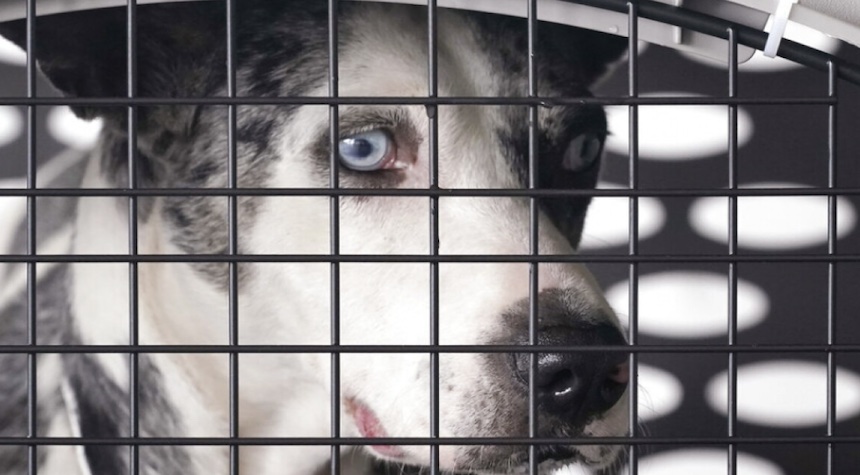
Reports from across the United States indicate that animal shelters are facing a crisis of unprecedented proportions. New York City’s Animal Care Centers, the largest animal shelter in the metropolis, has reached a critical capacity of 1,000 animals and has been forced to suspend intake at its three locations, barring emergencies.
According to Risa Weinstock, CEO of the Animal Care Centers, the organization is struggling to meet the needs of the animals in its care. Despite the intake suspension, an additional 200 animals deemed public safety risks or sent by city agencies have been accepted. In response to this dire situation, New York City Mayor Eric Adams has pledged $1 million to assist the organization.
Shelter Animals Count, a nonprofit organization, reports that an estimated 5.8 million animals were housed in shelter facilities last year. Their data shows a concerning trend: the percentage of shelter dogs adopted or returned to owners has decreased from 55% in 2019 to 50% in 2022. Perhaps most troubling is the report that approximately 334,000 dogs were euthanized last year due to shelter constraints.

It appears that this crisis is not isolated to New York City. Tori Fugate, communications director for Shelter Animals Count, states that animal shelters nationwide have faced significant challenges in recent years. The evidence suggests that the rising cost of living and a shortage of affordable housing are key factors contributing to this situation.
This raises important questions about the affordability of pet ownership. A Bank of America Institute report indicates that since 2019, the cost of pet care services has increased by 42%, while pet care goods have risen by 22%. Weinstock confirms that the inability to afford pet care is the primary reason for animal surrenders.
In response to these challenges, shelters are implementing innovative solutions. The Animal Care Centers in New York City, for instance, are offering free food, vaccine clinics, and veterinary care vouchers to help pet owners keep their animals.
The facts paint a picture of a complex issue that affects both animals and their human companions. As this situation continues to unfold, it will be crucial to monitor both local and national responses to this growing crisis.