
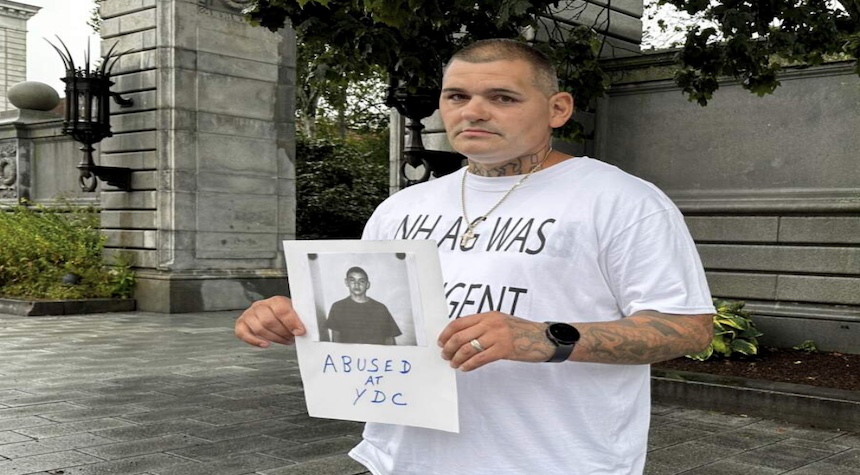
The New Hampshire settlement program for victims of abuse at its youth detention center is facing significant challenges.
More than 1,300 individuals have filed lawsuits against the state of New Hampshire since 2020, alleging physical or sexual abuse while in state custody, primarily at the Sununu Youth Services Center in Manchester. In response, the state legislature established a settlement fund in 2022, designed as an alternative to litigation. However, recent changes to this program have raised concerns about its fairness and integrity.
The Republican-led Legislature, through last-minute additions to the state budget signed by Governor Kelly Ayotte in June, has altered the administration of the fund. These changes give the governor power to appoint and dismiss the fund’s administrator and grant the attorney general veto authority over settlement awards. This development follows earlier reports that emphasized the program’s intended “victim-centered” and “trauma-informed” approach.

Deborah Greenspan, who served as deputy special master for the 9/11 victims’ compensation fund, has submitted an affidavit criticizing these changes. According to Ms. Greenspan, the new structure creates “a clear conflict of interest, undermining the fairness and legitimacy of the settlement process.” Her testimony is expected at an upcoming hearing on the state’s motion to dismiss a class-action lawsuit challenging these alterations.
This situation raises important questions about the balance between government oversight and the independence necessary for fair compensation. The state argues that the changes ensure public accountability for the expenditure of millions in public funds. Critics, however, contend that political influence could compromise the rights and interests of abuse survivors.

The program has been active, with nearly 2,000 claims filed and 386 settled as of June 30, with an average award of $545,000. However, reports indicate that some claimants now fear potential vetoes of their settlements under the new rules.
This raises important questions about the future of the program and its ability to provide justice for those who allege abuse. As the legal challenges proceed, the eyes of the nation will be on New Hampshire to see how it balances the interests of victims, taxpayers, and the principles of fair compensation.