
President Donald Trump has moved to cancel nearly $5 billion in previously approved foreign aid through a controversial budgetary maneuver known as a pocket rescission. This action has drawn criticism from within the President’s own party.
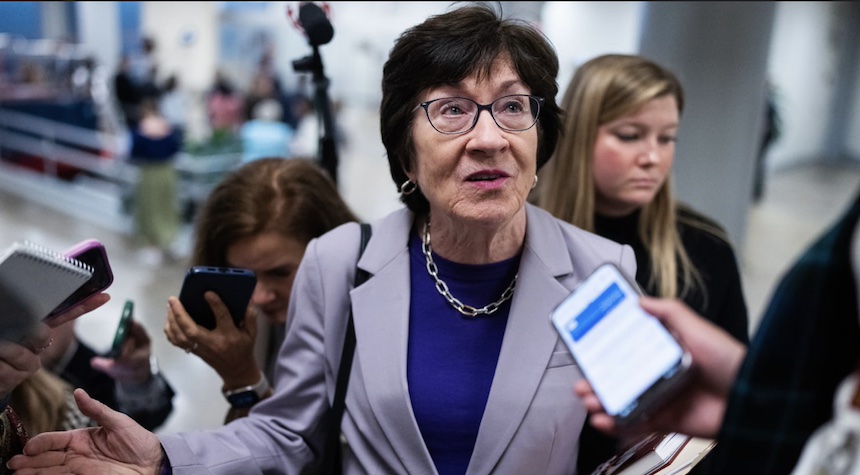
Senator Susan Collins of Maine, a Republican, has publicly opposed the President’s decision. According to reliable sources, Senator Collins stated that this attempt to rescind appropriated funds without congressional approval appears to violate both the Impoundment Control Act and Article I of the Constitution, which grants Congress control over federal spending.
You May Also Want to Read: Trump Strips Kamala Harris of Secret Service Protection
The funds in question include over $3 billion in development assistance, contributions to international organizations, and peacekeeping activities. The Trump administration has identified what it deems wasteful spending within these allocations, including climate resilience programs in Honduras and democracy promotion efforts in the Western Balkans.

The use of pocket rescission, a method of canceling funds near the end of a fiscal year, has not been attempted in nearly five decades. Its legality has been subject to debate, with the Government Accountability Office previously ruling such actions unlawful.
This move raises important questions about the balance of power between the executive and legislative branches in matters of federal spending. Both sides of this issue present compelling arguments, with the White House citing a 1975 GAO opinion in support of its action, while critics point to more recent interpretations of budgetary law.
As the fiscal year draws to a close on September 30th, the outcome of this dispute could set precedents for future budget negotiations and the limits of executive authority in financial matters.