
Russian President Vladimir Putin continues to assert Moscow’s uncompromising demands in the ongoing war in Ukraine, sparking concerns that a planned summit with U.S. President Donald Trump could pressure Kyiv into accepting a deal unfavorable to them.
Putin’s resolute stance echoes the objectives declared when he initiated the full-scale invasion of Ukraine on Feb. 24, 2022. Putin perceives a potential meeting with Trump as an opportunity to negotiate a sweeping agreement that could solidify Russia’s territorial claims, prevent Ukraine from joining NATO, and deter Western troops from entering Ukraine, thereby pulling the nation back into Russia’s sphere of influence.
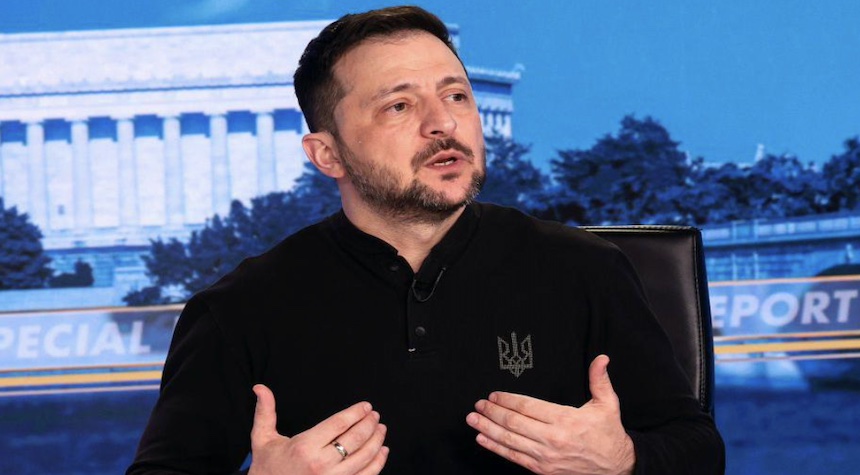
Reports from Ukraine indicate that President Volodymyr Zelenskyy remains steadfast in his positions, agreeing to a ceasefire proposed by Trump, while maintaining Ukraine’s commitment to seeking NATO membership and refusing to acknowledge Russia’s annexation of any Ukrainian regions.
In a memorandum presented at talks in Istanbul, Russia proposed two alternatives for a 30-day ceasefire to Ukraine. One demanded Ukraine withdraw its forces from Donetsk, Luhansk, Zaporizhzhia, and Kherson, four regions Moscow annexed in September 2022 but failed to control fully. An alternate condition for a ceasefire was a “package proposal” for Ukraine to stop mobilization efforts, freeze Western arms deliveries, and prohibit any third-country forces on Ukrainian soil.
Once a truce is established, Moscow seeks a deal encompassing the “international legal recognition” of its annexations of Ukraine’s Crimean Peninsula in 2014 and the four regions in 2022. Russia further insists that Ukraine declare its neutral status between Russia and the West, abandon its aspiration to join NATO, limit the size of its armed forces, and recognize Russian as an official language on par with Ukrainian.
Ukraine’s memorandum stressed the necessity for a complete and unconditional 30-day ceasefire to set the stage for peace negotiations. It expressed Kyiv’s staunch refusal of Russian demands for neutral status, upholding its freedom to choose its alliances. Additionally, it emphasized Ukraine’s rejection of any restrictions on the size and other parameters of its armed forces and foreign troops on its soil.

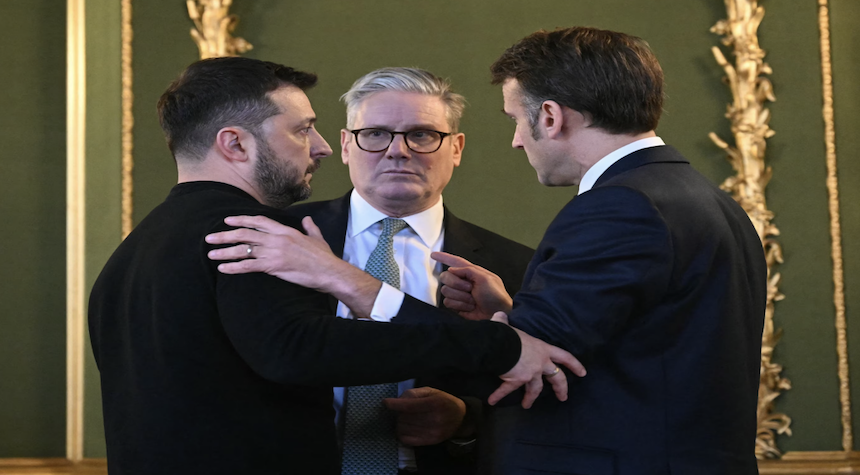
Trump’s agreement to meet Putin without Zelenskyy’s presence has caused unease in Ukraine and its European allies. They fear that this could enable Putin to sway Trump to his side and strong-arm Ukraine into making concessions. The significance of this should not be overlooked.
Putin repeatedly cautioned Ukraine to face sterner conditions for peace if it does not accept Moscow’s demands. Some observers suggested Russia could trade recent territorial gains for the territories of the four regions annexed by Moscow but still under Ukrainian control.
Putin could agree to a temporary ceasefire to curry Trump’s favor as he seeks to achieve broader goals. The evidence suggests that Putin may only accept a ceasefire that leaves him in control, without a real deterrent against renewed aggression in the future.
The facts paint a complex picture of the ongoing negotiations and the potential implications of a peace agreement.