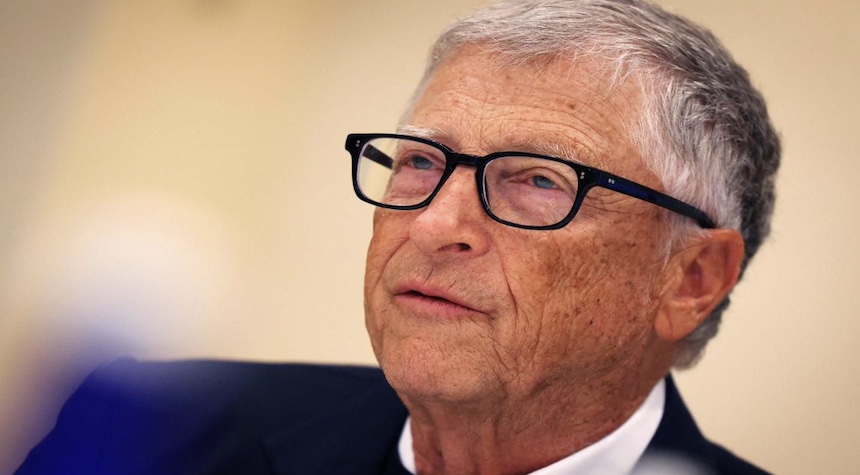
The Gates Foundation has pledged a considerable sum of $912 million to the Global Fund to Fight AIDS, Tuberculosis, and Malaria. This announcement was made on Monday by philanthropist Bill Gates, who took the opportunity to urge governments worldwide to halt the decline in global health funding.
Reports from an event in New York indicate that Gates painted a picture of a world at a crossroads. With millions of children’s lives hanging in the balance, he implored that a significant drop in funding could lead to devastating consequences. This pledge from the Gates Foundation matches its donation made in the previous year.
The Global Fund, an independent nonprofit based in Geneva, operates on a three-year budget cycle, and this announcement follows a period of deep aid cuts from governments worldwide, with the United States leading the reductions.
You May Also Like: Oracle Gets the Keys to TikTok’s Algorithm Under Trump’s New Deal
Gates shared in an interview, “A kid born in northern Nigeria has a 15% chance of dying before the age of 5. You can either be part of improving that or act like that doesn’t matter.” This statement was made before the foundation’s annual Goalkeepers event, which celebrates and aims to hasten progress on United Nations global development goals set for 2030, including improving health and ending poverty.

Gates further clarified that despite his substantial pledge, he alone cannot compensate for government cuts in global health funding and does not wish to create a false impression. The Gates Foundation, established by the Microsoft co-founder and his then-wife in 2000, is among the largest funders of global health initiatives. Its specific areas of focus include ending preventable deaths of mothers and babies, combating infectious diseases, and alleviating poverty.
The U.S.-based Institute for Health Metrics and Evaluation reports that global development assistance saw a decline of 21% between 2024 and 2025, hitting a 15-year low. A shift in this trend is possible, as organizations like the Global Fund strive to raise money before the year’s end. However, if current trends persist, the progress that has halved child mortality since 2000, saving 5 million lives annually, could be at risk.
This raises important questions about what can be done. Gates suggests there is still an opportunity to save millions of lives and eradicate some of the deadliest childhood diseases by 2045. This task would necessitate ongoing funding for institutions like the Global Fund and Gavi, the Vaccine Alliance, a focus on primary healthcare, and the swift rollout of innovative solutions.
The health of the world’s children is worse than most realize, but our long-term prospects can be brighter than most imagine. The significance of this should not be overlooked.