
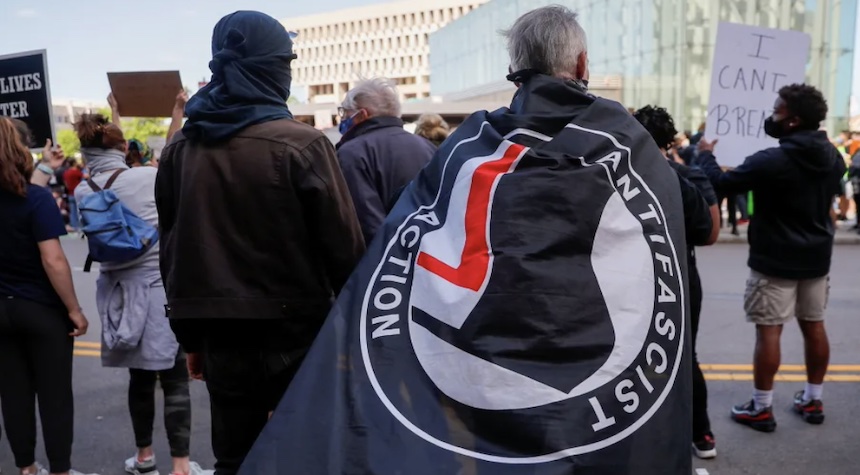
President Donald Trump, during a state visit to the United Kingdom, declared the Antifa movement a significant terrorist organization. This announcement came in the wake of the assassination of conservative commentator Charlie Kirk, a development that has intensified the political temperature in Washington.
The President declared his decision on Truth Social, his social media platform, recommending an investigation into those funding Antifa, according to the highest legal standards and practices. This move comes amidst an escalated crackdown by the administration on groups it alleges are instigating political violence.
Also Consider Reading: Wash Post: Discord Messages Reveal Kirk Shooting Suspect’s Stunning Confession
The designation was explicitly tied by senior officials to the killing of Kirk at a university event, a killing that has intensified partisan pressure in Washington. However, this raises important questions about the legal standing of such a declaration. Notably, there is no established federal mechanism for designating a loosely organized political movement such as Antifa as a domestic terrorist organization, akin to the State Department’s listing of foreign terrorist organizations. Legal experts predict immediate, formidable legal challenges.
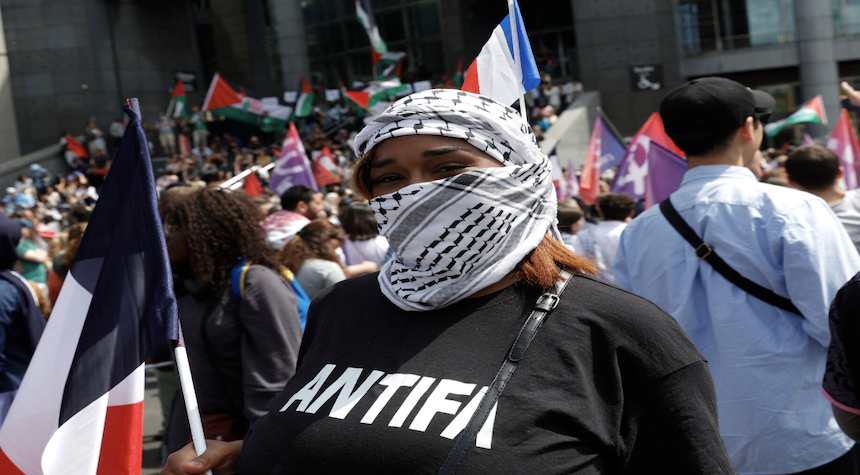
The administration may pursue multiple avenues beyond a formal label. These include expanded criminal prosecutions, increased scrutiny of nonprofit organizations and donor networks, and potential invocation of racketeering statutes to address coordinated campaigns of violence.
Critics argue that these strategies risk encroaching on lawful protest activity and could suppress protected speech. Dozens of liberal nonprofits have already pushed back, accusing the administration of exploiting Kirk’s murder to suppress dissent.
Supporters of the move view it as a necessary response to politically motivated violence. Critics, however, describe it as an overreach that threatens constitutional protections. Legal scholars forecast a looming showdown in federal courts if the administration proceeds with sanctions, donor investigations, or expanded criminal charges tied to loosely affiliated activists.
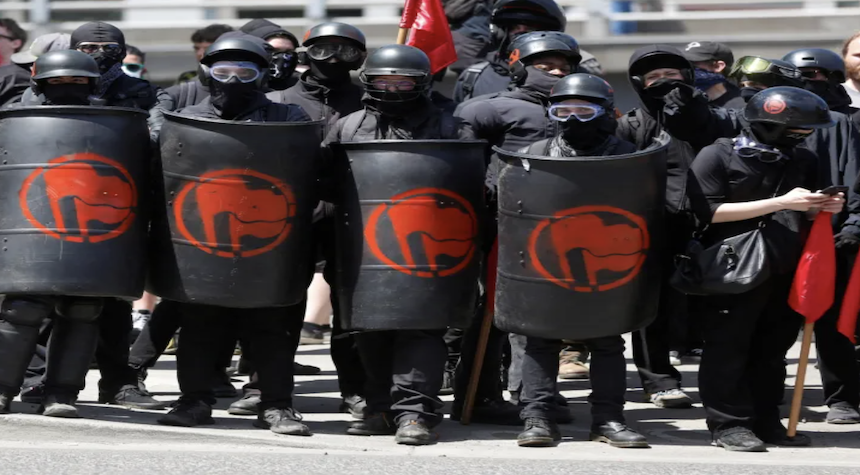
The announcement is certain to intensify partisan divides. Additionally, analysts note that designations tied to domestic movements often clash with First Amendment protections and the structural limits of executive authority.
The coming days and weeks will reveal the practical effects and legal ramifications of this declaration. As always, it is crucial to stay informed and seek out verified facts and nuanced perspectives.