
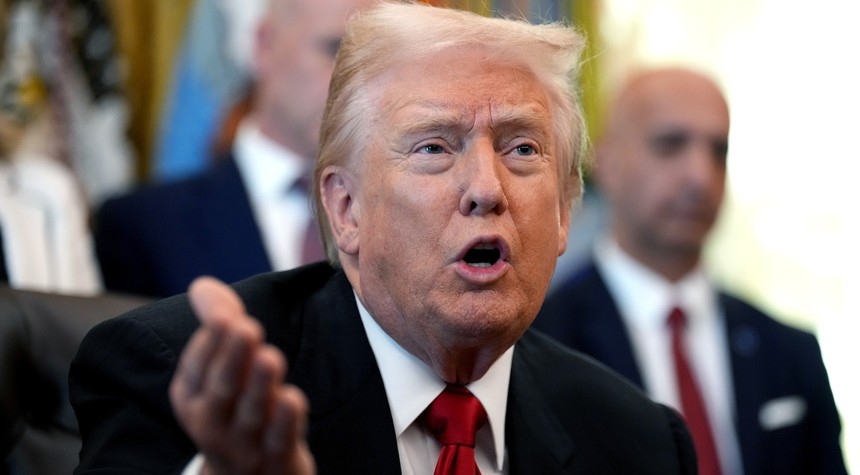
President Donald Trump announced Sunday that Americans can expect a “dividend of at least $2000 a person” as a result of his tariff policies, claiming the country has achieved unprecedented wealth under his administration. There is just one problem: his Treasury Secretary appears to have no idea what he is talking about.
Let us examine the facts here. Trump took to social media to declare that tariff opponents are “fools” and that America is now “the Richest, Most Respected Country In the World, With Almost No Inflation, and A Record Stock Market Price.” He specifically stated that everyone except high-income earners would receive this $2000 dividend, framing it as a direct result of tariff revenue.
The logical question immediately becomes: how exactly does this dividend work? What is the mechanism? Where is the money coming from, and how will it be distributed?
Treasury Secretary Scott Bessent, when pressed during an interview Sunday, admitted he had not discussed this proposed dividend with the president. Read that again. The Treasury Secretary, the individual responsible for managing the nation’s finances, has not spoken with Trump about a massive cash distribution program the president just announced to the entire country.
Bessent then attempted to reframe the entire concept, suggesting the “$2000 dividend could come in lots of forms, in lots of ways.” He pivoted to discussing tax decreases already on the president’s agenda, including eliminating taxes on tips, overtime pay, Social Security benefits, and making auto loans tax-deductible.
Here is the issue with this explanation: tax cuts are not dividends. Words have meanings. A dividend implies a direct payment, a check in the mail, money deposited into bank accounts. Tax cuts, while beneficial to workers who pay taxes, represent a completely different policy mechanism. They allow Americans to keep more of their own money rather than receiving government payments funded by tariff revenue.
The confusion here is problematic on multiple levels. First, it demonstrates a concerning lack of coordination between the president and his Treasury Secretary on major economic policy announcements. Second, it conflates two distinct economic concepts in a way that misleads the American people about what they can actually expect.
Are tariffs generating significant revenue? That is an empirical question worth examining. Historical data shows tariffs can indeed produce government revenue, though they also typically increase consumer prices on imported goods. The question becomes whether the revenue generated exceeds the economic costs imposed on consumers and businesses reliant on imported materials.
Trump’s claim that America has “almost no inflation” requires scrutiny as well. While inflation has decreased from its peak, Americans continue to face elevated prices on groceries, housing, and basic necessities compared to pre-pandemic levels.
The stock market has indeed reached record highs, and 401(k) balances have benefited accordingly. This represents genuine good news for American investors and retirees. However, stock market performance does not automatically translate into direct payments to citizens.
The Trump administration needs to clarify immediately whether Americans should expect actual dividend checks or whether this represents rhetorical flourish describing the combined benefits of various tax policy proposals. The American people deserve clear, honest communication about economic policy, not confusing announcements that even the Treasury Secretary cannot explain.
This situation demands answers, and soon.
Related: Kentucky Republican Breaks With Trump Over Spending and Foreign Aid