
The facts are straightforward, and they are devastating. More than 70 percent of drug overdoses in America involve fentanyl. Over half of the fentanyl entering our country originates from China. For years, previous administrations treated this crisis as a domestic law enforcement problem while ignoring the international supply chain that makes it possible. That approach failed spectacularly.
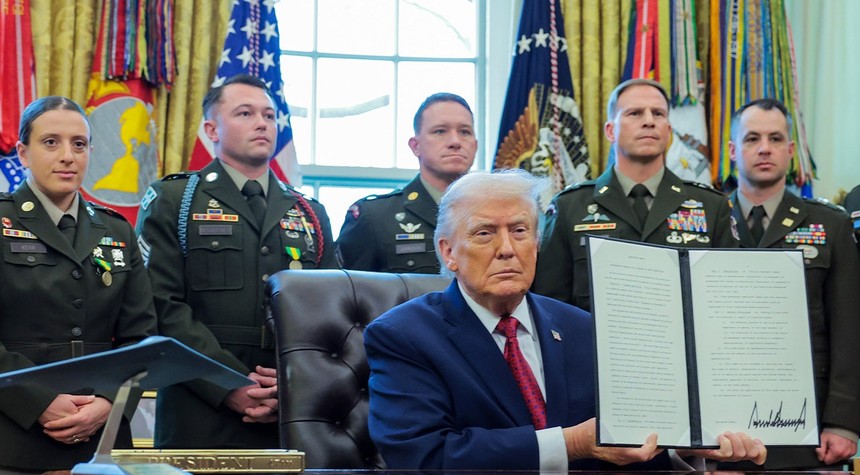
President Trump signed the National Defense Authorization Act into law Thursday, and buried within this $901 billion defense package is a provision that fundamentally changes how America confronts the fentanyl crisis. The legislation expands the existing Fentanyl Sanctions Act to include Chinese entities and officials involved in the opioid industry who fail to prevent trafficking. This is not merely symbolic. Designated entities will face sweeping financial penalties and visa bans, effectively severing their access to the U.S. financial system.
Republican Kentucky Representative Andy Barr, who authored the Stop Chinese Fentanyl Act incorporated into the NDAA, articulated the contrast clearly. “President Trump is leading the toughest fentanyl crackdown in American history, and it’s going to save lives,” Barr stated. “While past Presidents like Joe Biden allowed adversaries to flood the U.S. with deadly fentanyl, President Trump is taking the fight directly to the drug cartels and their Chinese suppliers.”
This represents a logical evolution in strategy. If Chinese manufacturers are producing the precursor chemicals and finished fentanyl that Mexican cartels smuggle across our southern border, then the solution requires addressing both ends of the supply chain. Sanctions targeting Chinese entities hit the problem at its source rather than simply attempting to intercept every shipment at the border, an approach that has proven inadequate given the sheer volume of illegal crossings.
The legislation amends the definition of “foreign opioid trafficker” to encompass not just those actively trafficking drugs, but also those who fail to stop trafficking despite their involvement in the industry. This distinction matters enormously. It shifts responsibility onto Chinese officials and business entities who have long claimed plausible deniability while their operations fuel an American epidemic.
Barr, currently running for Senate in Kentucky to replace retiring Senator Mitch McConnell, emphasized the message this legislation sends. “We are sending a clear message to China: if you manufacture fentanyl that kills Americans, there will be consequences.”
The NDAA’s fentanyl provisions complement broader Trump administration efforts to combat the crisis through multiple vectors, including strikes on alleged drug boats in the Caribbean and enhanced border security measures. The administration has characterized the Western Hemisphere as the “first line of defense” in this strategy, recognizing that stopping fentanyl requires both interdiction and eliminating the economic incentives for production.
The contrast with previous policy is stark. The Biden administration treated the fentanyl crisis primarily as a public health issue requiring harm reduction strategies domestically. The Trump approach recognizes it as what it actually is: a national security threat requiring economic warfare against foreign adversaries profiting from American deaths.
Whether these sanctions prove effective depends entirely on implementation and enforcement. China has historically shown little interest in cooperating with American drug enforcement efforts. Financial penalties only work if they are applied consistently and if alternative financial systems do not provide workarounds. Nevertheless, the logic is sound. American leverage over access to our financial system remains substantial, and using that leverage to protect American lives from foreign-manufactured poison is precisely what government should do.
Related: Five Major Offshore Wind Projects Frozen After Classified Military Assessment