
The facts here are straightforward, and they reveal a fascinating conflict between state and local government that cuts to the heart of immigration enforcement debates in America.
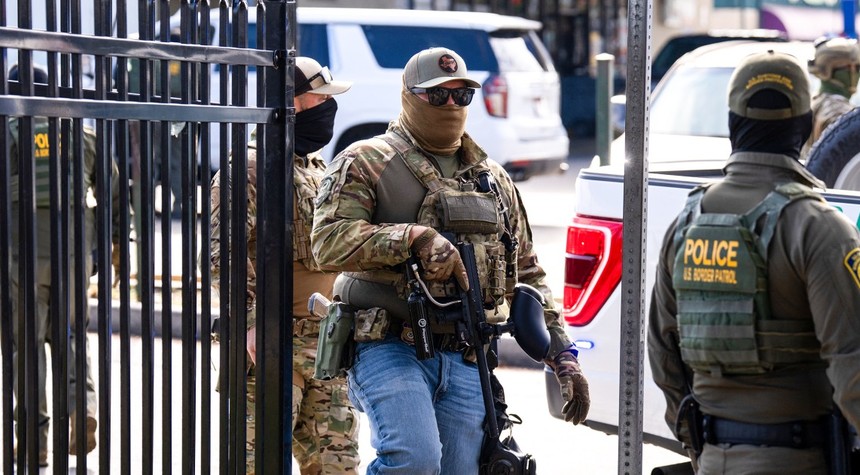
Federal immigration enforcement operations commenced Wednesday in Louisiana under “Operation Catahoula Crunch,” and the response has been predictably split along political lines. New Orleans officials are resisting. Louisiana state officials are welcoming federal agents with open arms. The difference? Louisiana is not California or Illinois, where Democratic governors can marshal state resources to obstruct federal immigration enforcement.
Governor Jeff Landry made his position crystal clear Wednesday, stating that “Louisiana will not be a refuge for violent offenders” and thanking President Donald Trump and Homeland Security Secretary Kristi Noem for providing resources to keep Louisiana citizens safe. This represents a stark contrast to the sanctuary city posturing coming from New Orleans leadership.
Mayor-elect Helena Moreno claimed the operation has “caused significant alarm” and created a “culture of fear among our most vulnerable residents.” This is the standard playbook from Democratic urban leaders: characterize immigration enforcement as somehow cruel or unnecessary, regardless of the legal status of those being targeted.
Here is where the argument falls apart completely. Moreno and other local officials are calling this enforcement action “unnecessary,” but they conveniently ignore the legal framework that makes it entirely appropriate. These are immigration enforcement operations targeting individuals in the country illegally. The fact that New Orleans has experienced declining violent crime rates, including being on pace for the lowest homicide numbers in nearly 50 years, does not negate the separate issue of immigration law enforcement.
The logical disconnect is astounding. Local officials want to celebrate declining crime statistics while simultaneously harboring individuals who violated federal immigration law. These are not mutually exclusive concerns. A city can address violent crime while also cooperating with federal authorities on immigration enforcement. The suggestion that one precludes the other is intellectually dishonest.
Governor Landry has systematically moved Louisiana’s immigration policy rightward, and he has done so through proper legislative and executive channels. In May, he issued an executive order directing state law enforcement to assist federal immigration operations. He encouraged local departments to participate in the 287(g) program, which allows Immigration and Customs Enforcement to delegate enforcement authority to state and local agencies.
More than 20 parishes have signed agreements with federal immigration officials. Jefferson Parish, which borders Orleans Parish and contains the state’s largest Latino population, has joined the effort. Kenner Police Chief Keith Conley has publicly stated he welcomes federal agents. This is not some fringe position; it represents mainstream cooperation with federal law enforcement.
The reality is that New Orleans officials have limited options to resist. Unlike states with Democratic governors who can mobilize state resources against federal enforcement, Louisiana’s state government is actively facilitating these operations. Local officials can complain, issue statements, and create political theater, but they cannot prevent federal agents from enforcing federal law.
This situation perfectly encapsulates the tension between sanctuary city policies and the rule of law. New Orleans wants to position itself as a “diverse” city that protects vulnerable populations, but what it is actually doing is obstructing the enforcement of duly passed federal immigration laws. There is nothing compassionate about allowing individuals who entered the country illegally to remain simply because local politicians disagree with federal policy.
The law matters. Federal immigration enforcement is constitutional and necessary. Louisiana state officials recognize this reality, even if New Orleans leadership refuses to accept it.
Related: Trump Administration Demands Allies Increase Defense Spending to Counter China Threat