
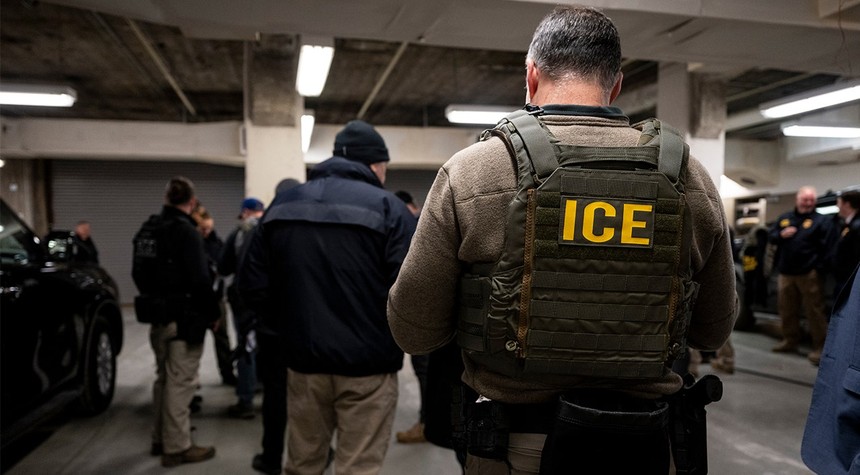
An Obama-appointed federal judge in Colorado claims the Trump administration is not complying with his controversial order that effectively handcuffs Immigration and Customs Enforcement operations in the state. Let us be clear about what is actually happening here.
Senior U.S. District Judge R. Brooke Jackson, nominated by former President Barack Obama, expressed frustration during a Wednesday hearing that the Department of Justice appears to be sidestepping his November injunction. That injunction requires ICE agents to obtain warrants and conduct flight-risk assessments before detaining individuals in Colorado.
“These things shouldn’t be that difficult,” Jackson stated during the hearing. “The policy of Immigration and Customs Enforcement was a good policy and all they have to do is comply with their own policies, and we’re good. But, for whatever reason, they insisted on not agreeing to that, and here we are sitting here today. I don’t get that.”
Here is what the judge conveniently fails to acknowledge: ICE is a federal law enforcement agency tasked with enforcing immigration law. The notion that federal agents require warrants to detain individuals who are in the country illegally represents a fundamental misunderstanding of both immigration enforcement and constitutional law.
The Fourth Amendment protections against unreasonable searches and seizures apply differently to immigration enforcement than to criminal law enforcement. ICE agents have long operated under administrative warrants, which are issued by immigration judges rather than criminal court judges. This is not a loophole or an oversight. This is how immigration enforcement has functioned for decades under administrations of both parties.
The timing of this judicial intervention is particularly noteworthy. This dispute emerges as lawmakers have failed to fund the Department of Homeland Security, leading to a partial shutdown that further complicates immigration enforcement efforts. The Trump administration is attempting to restore order to a broken immigration system while simultaneously fighting court battles initiated by judges who appear more interested in constraining federal enforcement than in upholding the law.
The judge’s complaint that ICE is not following “their own policies” misses the larger point. The Trump administration has made clear its intention to prioritize immigration enforcement and public safety. When activist judges impose requirements that effectively prevent federal agents from doing their jobs, the administration has both the authority and the obligation to challenge those restrictions.
This case represents yet another example of the judiciary overstepping its constitutional bounds to impose policy preferences that should be determined by the elected branches of government. Immigration enforcement is fundamentally an executive function. Congress writes immigration law, and the president enforces it. The role of the judiciary is to ensure that enforcement complies with constitutional requirements, not to micromanage operational decisions or impose procedural requirements that have no basis in statute.
The question is not whether ICE is complying with a single judge’s injunction. The question is whether that injunction itself represents a legitimate exercise of judicial authority or an attempt to usurp executive power. The answer should be obvious to anyone who understands separation of powers.
Related: Bruce Springsteen Launches Political Tour While Calling Trump a Wannabe King