
The Duality Problem Nobody Wants to Address
The Olympics sells itself on noble ideals. Excellence, respect, friendship. Building a better world through sport and culture. It’s the kind of rhetoric that sounds great in a press release and means absolutely nothing in practice.
Because here’s what the Olympics actually peddles: raw, unfiltered nationalism. That’s the product. That’s what fills the seats and drives the ratings. We don’t tune in to watch anonymous athletes compete in a vacuum. We watch because we want our country to win. We want our flag raised highest. We want our anthem played loudest.
Strip away the pageantry and you’re left with a simple truth. The Olympic Games runs on national pride, and everyone involved knows it. The flags, the anthems, the medal counts by country. None of that exists by accident. It exists because nationalism sells tickets and generates revenue. If the International Olympic Committee genuinely cared about pure athletic competition divorced from national identity, they’d eliminate country affiliations entirely. Just line up the world’s best and let them compete as individuals.
But there’s no money in that. No drama. No stakes that make your heart race when someone from your country steps up to compete.
Which brings us to Eileen Gu.
When Convenience Trumps Loyalty
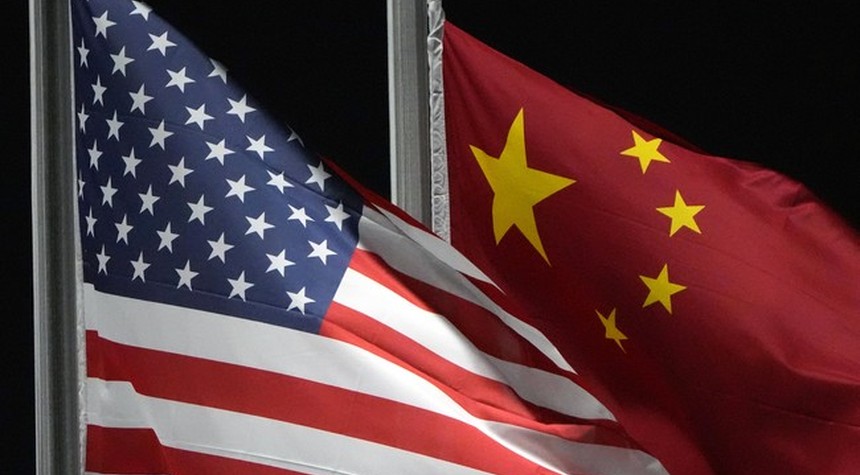
Born in San Francisco. Raised in America. Educated at Stanford. And yet Gu competes under the flag of communist China, a regime that surveils its citizens, crushes dissent, and runs concentration camps for religious minorities. She made this choice not because of some deep cultural awakening, but because China offered her something America wouldn’t: guaranteed spots, massive endorsement deals, and celebrity status in a market of over a billion people.
Let’s be honest about what happened here. This wasn’t about heritage or identity or finding herself. This was a business decision wrapped in the language of cultural connection. And you know what? In a free country, she’s entitled to make that choice.
But she’s not entitled to keep her American citizenship while doing it.
The United States doesn’t formally recognize dual citizenship with China. China’s own laws technically forbid it. Yet Gu has conspicuously refused to clarify her citizenship status, dodging the question repeatedly when pressed by journalists. The implication is clear: she wants the best of both worlds. The opportunities and protections of American citizenship combined with the financial windfall of representing China.
That’s not how citizenship should work. It’s not a loyalty program where you rack up points in multiple countries and cash in wherever it’s most convenient.
The Principle We’re Abandoning
Citizenship used to mean something. It implied allegiance, loyalty, a genuine connection to the ideals and interests of your nation. When you represent a country on the world stage, you’re making a statement about where your loyalties lie. You’re saying, “This is my team. These are my people. This is the flag I’ll fight for.”
What Eileen Gu did was announce to the world that America wasn’t worth representing. That the country that gave her every opportunity, every freedom, every advantage she enjoyed wasn’t good enough. She looked at the United States and at communist China and decided China offered the better deal.
Fine. Make that choice. But don’t expect to maintain your American passport while you do it.
Some will argue this is harsh. That we should celebrate her Chinese heritage. That she’s building bridges between cultures. That’s nonsense dressed up as tolerance. Gu didn’t build a bridge; she burned one. She chose a totalitarian regime over a free republic because it paid better.
And here’s the part that really stings: while she was collecting millions in endorsements from Chinese companies and basking in state-sponsored adulation, American taxpayers were still on the hook for any consular services she might need. If something went wrong, if she found herself in trouble, she could fall back on her American citizenship. She gets the insurance policy without paying the premium.
What This Says About Us
The Eileen Gu situation reveals something troubling about how we view citizenship in modern America. We’ve allowed it to become transactional, something you can pick up or put down based on what serves your interests at any given moment. We’ve lost the sense that citizenship carries obligations, not just benefits.
This isn’t about xenophobia or cultural purity. It’s about reciprocity and respect. If you’re going to represent another country, especially one that stands opposed to American values and interests, then you should relinquish your American citizenship. Not as punishment, but as a natural consequence of the choice you’ve made.
The solution here is straightforward. Any American citizen who chooses to represent another nation in international competition should be required to renounce their U.S. citizenship. Make the choice real. Make it meaningful. You want to compete for China? Go ahead. But you don’t get to keep America as your fallback option.
We need to stop pretending that citizenship is just another credential to collect. It’s a covenant. And covenants require commitment, not convenience.
Related: Trump’s Energy Council Delivers What Biden Couldn’t in Four Years