
Two young women are dead. Two families shattered. And the architects of sanctuary city policies still can’t bring themselves to admit what the rest of us already know.
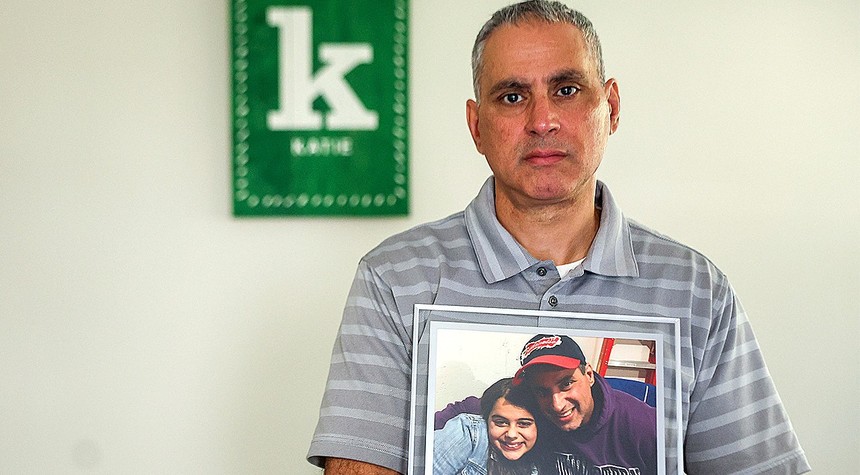
Joe Abraham will walk into a Senate hearing room on Wednesday carrying a photograph of his daughter Katie. She was 20 when an illegal immigrant killed her in a hit-and-run last year. Now he’s testifying before the Senate Judiciary Subcommittee on the Constitution about the policies that he believes killed his child. Policies that just claimed another victim in Chicago.
Sheridan Gorman was 18. A freshman at Loyola University. Her whole life stretched out before her like an open road, full of promise and possibility. She’s gone now, allegedly shot and killed by José Medina-Medina, an illegal immigrant who never should have been on those streets in the first place.
You know what gets me? The casual dismissal. The bureaucratic shrug. A Chicago alderwoman actually brushed off Gorman’s murder as if it were some unfortunate but unavoidable accident, like a pothole or bad weather. That’s where we are now. Dead college students have become acceptable collateral damage in the grand experiment of sanctuary city governance.
These aren’t isolated incidents. They’re not statistical anomalies or rare tragedies that slip through an otherwise functional system. They’re the predictable result of policies that prioritize ideology over safety, virtue signaling over common sense. When you create zones where immigration law doesn’t apply, where local authorities actively obstruct federal enforcement, you’re making a choice. You’re deciding that protecting illegal immigrants from deportation matters more than protecting your own citizens from harm.
Abraham wrote something powerful in his Fox Digital opinion piece Tuesday. He said Gorman’s death “raises the same painful questions about policy, enforcement and accountability.” Those questions aren’t complicated. They’re actually pretty simple. Should cities be allowed to shield people who entered this country illegally from federal law enforcement? Should local governments have the power to decide which federal laws they’ll enforce and which they’ll ignore? And who bears responsibility when those decisions get Americans killed?
The answers ought to be obvious. But we live in a time when obvious truths get buried under layers of political correctness and fear of saying the wrong thing. People are terrified of being called names, of being labeled heartless or xenophobic. So they stay quiet while the Katie Abrahams and Sheridan Gormans of the world pay the price for their silence.
Limited government doesn’t mean lawless government. Individual liberty doesn’t include the freedom to break immigration laws without consequence. These are foundational conservative principles, sure, but they’re also just basic civic logic. We’re a nation of laws or we’re not. There’s no middle ground where Chicago gets to decide federal immigration policy doesn’t apply within city limits.
Wednesday’s hearing matters because it forces these questions into the open. It puts faces and names to the abstract policy debates. Joe Abraham isn’t a talking head or a political operative. He’s a father who lost his daughter because someone decided that enforcing immigration law was less important than making a political statement.
The tragedy here isn’t just the individual deaths, as devastating as those are. It’s the willful blindness of officials who keep defending these policies even as the bodies pile up. It’s the ideological capture that prevents people from admitting what’s right in front of them. It’s the moral cowardice of leaders who won’t protect their own citizens because doing so might upset the wrong people.
Sheridan Gorman deserved better. Katie Abraham deserved better. And every American living in a sanctuary city deserves leaders who put their safety first, not last. That’s not radical. That’s not extreme. That’s the bare minimum we should expect from the people we elect to govern us.
Related: The FISA Fight Exposes the Real Tension Between Security and Freedom