
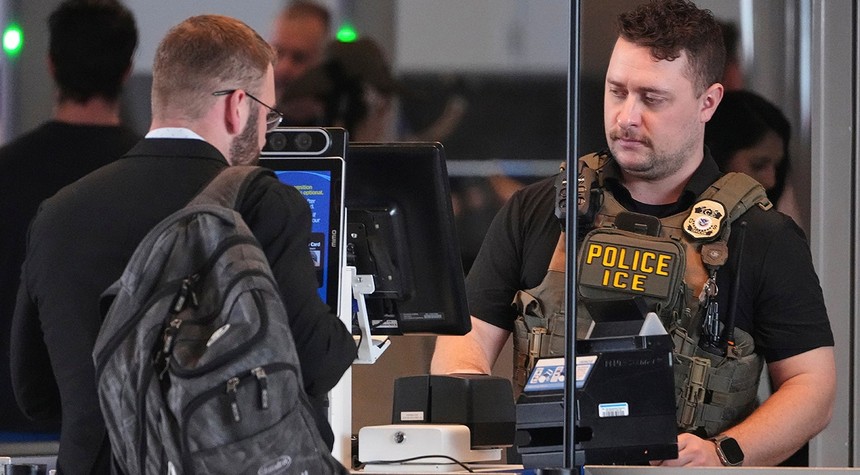
Homeland Security Secretary Markwayne Mullin just floated an idea that’s going to make a lot of people uncomfortable, and frankly, that’s exactly the point. He’s considering whether the federal government should stop processing customs at airports in sanctuary cities. You know, the ones that refuse to cooperate with immigration enforcement while simultaneously expecting Uncle Sam to provide all the usual services.
The logic here isn’t complicated. If cities like New York, New Orleans, and Philadelphia want to declare themselves sanctuaries and actively obstruct federal immigration law, why should DHS continue offering them the privilege of international airport customs processing? It’s a fair question that cuts right to the heart of what federalism actually means when local governments decide they’re above the law.
Mullin told Special Report that the agency needs to consider this relationship more carefully. “If they’re a sanctuary city, should they really be processing customs into their city?” he asked. It’s the kind of blunt question that politicians usually dance around, but there’s a refreshing honesty to it. Actions have consequences. Choices have costs.
The economic implications would be substantial, no doubt about it. Shutting down customs processing would effectively lock out international travelers from major metropolitan hubs. Commerce would take a hit. Business travelers would reroute. Tax revenues would shrink. The very economic engines that keep these cities humming would sputter.
But here’s the thing that sanctuary city advocates conveniently ignore. They’ve already made a choice about priorities. They’ve decided that shielding illegal immigrants from federal authorities matters more than cooperating with law enforcement. They’ve picked their side. Now they’re just upset that their decision might actually cost them something.
The federal government isn’t some bottomless well of services that states and cities can draw from while simultaneously giving Washington the middle finger on enforcement. That’s not how this works. Federal cooperation is a two-way street, and if you’re blocking traffic in one direction, you can’t complain when the other lane closes down too.
Think about what sanctuary policies actually represent. These are jurisdictions that have decided immigration law is optional, that federal authority is negotiable, that they get to pick and choose which statutes deserve respect. It’s selective lawlessness dressed up in progressive rhetoric about compassion and inclusion.
The Constitution gives the federal government authority over immigration. Not cities. Not states. The federal government. When local officials actively undermine that authority by refusing to honor ICE detainers or share information about criminal aliens in their custody, they’re not being compassionate. They’re being lawless.
Mullin’s proposal puts real pressure where it belongs. If sanctuary cities want to maintain their policies, fine. But they should do it without expecting federal resources and support for unrelated services. You can’t have it both ways. You can’t obstruct federal law enforcement and then demand federal infrastructure support.
Critics will scream that this punishes innocent travelers and businesses. They’ll call it cruel, excessive, unfair. But those same critics have been silent about the victims of crimes committed by illegal immigrants who were shielded by sanctuary policies. They’ve been quiet about the rule of law being trampled in service of political posturing.
This isn’t about being mean to cities. It’s about accountability. It’s about making sure that governments face real consequences when they decide federal law doesn’t apply to them. Mullin understands something that too many Republicans have forgotten. You don’t win by playing nice with people who view cooperation as weakness.
Related: Karoline Leavitt Exposes How Newsrooms Fell for Iranian Propaganda