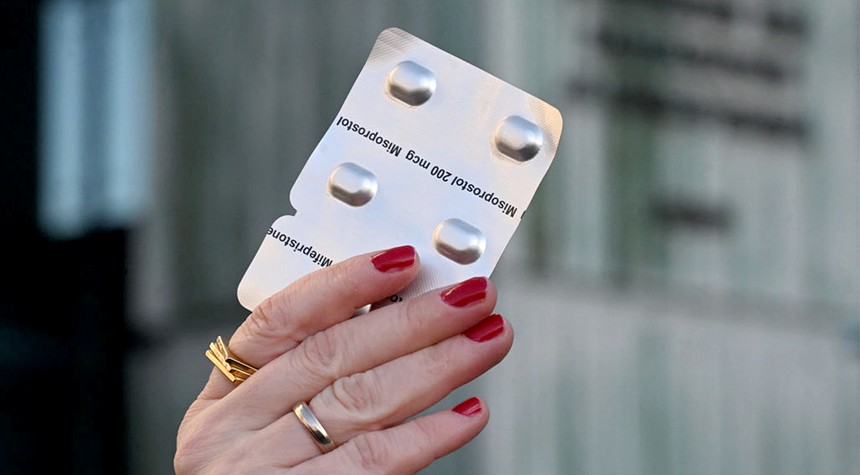
California’s abortion pill suppliers are cooking up backup plans, and that should tell you everything you need to know about where we are as a country. The Supreme Court is weighing whether to restrict mailing mifepristone, the drug now used in nearly two-thirds of all U.S. abortions, and the industry’s response isn’t to defend their practices on medical merit. It’s to find workarounds.
Let’s be clear about what’s happening here. The case Louisiana v. FDA centers on whether the Food and Drug Administration overstepped by loosening safety requirements on mifepristone, allowing it to be prescribed via telehealth and shipped through the mail. The Fifth Circuit already ruled that newer FDA changes went too far and that older, stricter rules requiring in-person dispensing should be reinstated. Justice Samuel Alito put that ruling on hold temporarily while the high court figures out its next move. The clock’s ticking though. May 11 is the deadline unless the justices extend their pause.
You know what strikes me about this whole situation? We’re talking about a drug that terminates a human life, and somehow the conversation has shifted entirely to convenience and access. When did we decide that ending a pregnancy should be as easy as ordering a book online? There’s something deeply troubling about reducing such a consequential decision to a telehealth appointment and a package in the mail.
The medical community used to understand that serious drugs require serious oversight. Mifepristone isn’t ibuprofen. It’s a powerful chemical compound with documented risks including severe bleeding, incomplete abortion, and infection. The original FDA approval in 2000 came with strict safeguards precisely because regulators recognized these dangers. Those safeguards included in-person dispensing, which allowed healthcare providers to assess gestational age, screen for ectopic pregnancies, and ensure patients understood the risks and had access to emergency care if complications arose.
But somewhere along the way, political pressure trumped medical caution. The FDA systematically dismantled those protections, first allowing mail-order distribution during the pandemic and then making it permanent. We’re supposed to believe this was all about following the science, but it’s hard to ignore that these changes perfectly aligned with the abortion industry’s business model. Telemedicine abortion is cheaper to provide and reaches more customers. That’s the bottom line, literally.
California suppliers planning their workarounds tells us they see the writing on the wall. They understand their mail-order scheme might not survive judicial scrutiny, so they’re already plotting alternatives. What those alternatives look like remains unclear, but if history is any guide, expect creative interpretations of whatever rules emerge. The abortion industry has never let legal restrictions slow them down for long.
Here’s what bothers me most. We’ve normalized something that should give us pause. A woman alone at home, taking pills to end her pregnancy without medical supervision, potentially experiencing severe cramping and bleeding, passing the remains of her unborn child into a toilet. This is what progress looks like? This is healthcare?
The Supreme Court’s decision will matter enormously, not just for abortion access but for the broader question of whether federal agencies can bend their own safety standards to serve political ends. The FDA exists to protect Americans from dangerous drugs, not to facilitate whatever social policies happen to be fashionable. If the justices allow these loosened restrictions to stand, they’re essentially saying agency capture is fine as long as the right people benefit.
Traditional values aren’t outdated. They’re timeless because they’re rooted in respect for human life and recognition that some decisions carry weight that demands more than a video call and a credit card. California can plot all the workarounds it wants, but the truth remains unchanged. Life matters, and protecting it isn’t old-fashioned. It’s essential.
Related: Star Wars Actor Deletes Violent Trump Image After Backlash But the Damage Is Already Done