
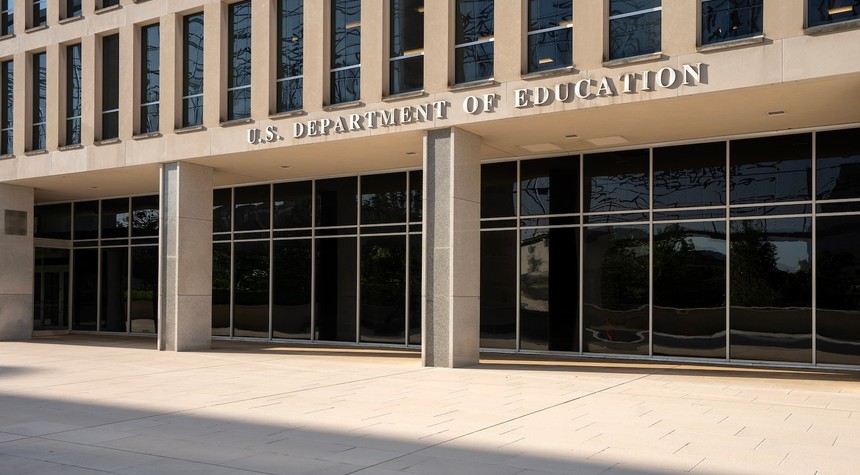
The Trump administration just took a sledgehammer to something that didn’t need fixing. On Tuesday, the Department of Education announced it’s shipping special education services over to Health and Human Services while the Justice Department picks up civil rights oversight. They’re calling it streamlining. Parents of kids with disabilities are calling it something else entirely.
Here’s what nobody wants to say out loud but everyone’s thinking. The Department of Education has maybe three real jobs: distribute federal money, handle civil rights complaints, and make sure kids with disabilities get educated. That’s it. Education happens at the local level, always has. The feds only control about 10 percent of public school funding nationwide. So when you start moving two of those three core functions elsewhere, you’re not reorganizing. You’re admitting the agency shouldn’t exist.
Secretary Linda McMahon says these interagency agreements put responsibilities where they belong. HHS Secretary Robert F. Kennedy Jr. argued last spring that special education always made more sense under health services anyway. He talked about synergies and parallel programs. That’s Washington speak for “trust us, we know better.”
But do they? Seven million students get support through the Individuals with Disabilities Education Act. That’s $15 billion in grants ensuring kids with disabilities receive free and appropriate education. The operative word there is education, not treatment. When you move oversight to HHS, you’re shifting from an education model to a medical model. Those aren’t the same thing. Not even close.
Parents get this instinctively. Keri Rodrigues from the National Parents Union put it perfectly when she said we don’t need kids medicalized, we need them educated. There’s a reason special education has lived in the Department of Education for half a century. Kids with learning disabilities aren’t patients waiting for a cure. They’re students who need different teaching approaches, accommodations, and support structures that help them learn alongside everyone else.
The medical model sees disability as something to diagnose and manage. The education model sees it as a difference requiring adaptation. HHS employees are trained to think about health and wellness. That’s valuable work, critical work even. But it’s not the same as understanding how a child with dyslexia needs phonics instruction delivered differently or how a student with autism might need sensory breaks built into their school day.
Department officials insist nothing changes. Students won’t lose rights, they promise. The Office of Special Education and Rehabilitative Services will keep doing its statutory duties without interruption. Federal law still applies. No agreement can alter what kids are owed under IDEA. That’s all technically true. On paper, everything stays the same.
Except it won’t. You know it won’t. When you change who’s responsible, you change priorities. When you change institutional culture, you change outcomes. HHS has expertise in medical care, public health initiatives, and wellness programs. What they don’t have is decades of institutional knowledge about individualized education programs, least restrictive environments, and the specific challenges teachers face implementing accommodations in crowded classrooms with limited resources.
This move creates chaos for families already navigating a complicated system. Special education is exhausting under the best circumstances. Parents become experts in acronyms and legal requirements just to get their kids what they need. They learn to advocate, push, and sometimes fight for services their children are legally entitled to receive. Now they’re supposed to trust that shifting everything to a different agency with a different mission will somehow work out fine?
The broader picture matters here too. President Trump campaigned on eliminating the Department of Education entirely. That resonates with conservatives who believe education belongs at the state and local level, not managed by federal bureaucrats in Washington. There’s real merit to that argument. The federal government has no constitutional role in education. The department was only created in 1979, and plenty of people think that was a mistake.
But dismantling a federal agency piece by piece without a clear plan for what replaces it isn’t conservative governance. It’s just chaos. Limited government doesn’t mean poorly planned government. It means government that does fewer things but does them well. If you’re going to eliminate the Department of Education, fine. Make that case honestly. But don’t pretend you’re improving services by scattering responsibilities across agencies that weren’t built for this work.
The civil rights piece matters too. Moving oversight to the Justice Department might actually make sense on paper. DOJ handles discrimination cases. They have lawyers and investigators. But the Department of Education’s Office for Civil Rights has specialized knowledge about education law, Title IX, and how discrimination actually manifests in schools. That expertise doesn’t transfer automatically just because you move names on an org chart.
What we’re watching is government reorganization driven more by the desire to shrink an agency than by genuine concern for whether the new structure serves people better. That’s backwards. The goal should be serving families, not satisfying campaign promises.
Related: Democrats invented the Epstein Class but won’t tell you who’s in it