
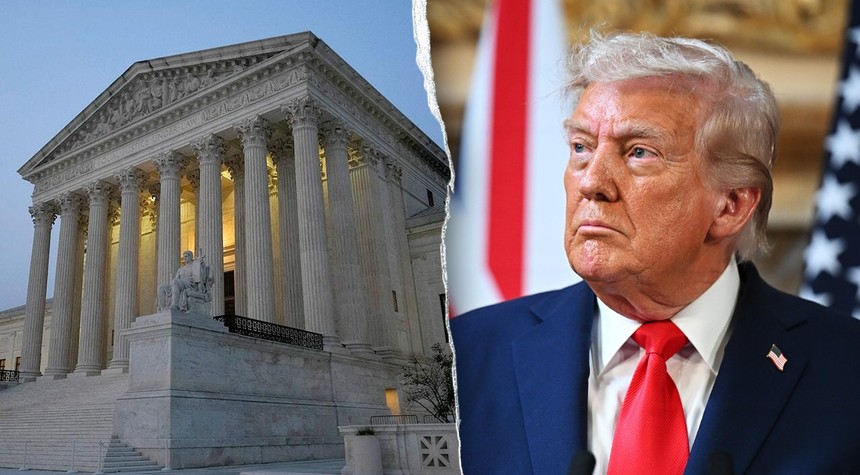
The marble halls of the Supreme Court are buzzing right now, and what happens in those chambers over the next few weeks will determine whether Donald Trump gets to govern like an actual president or spend four more years tangled in legal warfare. We’re talking about 11 cases that could reshape executive authority for decades to come.
June is what they call flood season at the Court. The justices and their clerks work around the clock, racing against self-imposed deadlines to finish opinions before everyone heads out for summer recess. It’s controlled chaos wrapped in tradition, and this year the stakes couldn’t be higher. Out of nearly 60 disputes heard this term, 23 remain unresolved. Among those are four direct challenges to Trump’s executive actions, plus cases on gun rights, transgender issues, and election law.
Here’s the thread connecting most of these cases. Presidential power. How much authority does a president actually have over federal policy and his own executive branch? The answers will either give Trump the tools he needs to implement his agenda or tie his hands so tight he’ll spend his entire second term fighting his own government.
Democrats know what’s coming. That’s why folks like Ro Khanna and Kamala Harris are suddenly reviving their court-packing schemes again. When you can’t win on the merits, change the rules. It’s a tired playbook but they keep running it because they’re terrified of what happens when a president who actually wants to shrink government gets the legal authority to do it.
The most watched case centers on one of Trump’s early executive orders. The details matter less than the principle at stake. Can a president elected by the American people direct policy through executive action, or does the administrative state get veto power? We’ve watched for years as unelected bureaucrats slow-walk, sabotage, and outright ignore presidential directives. The Court has a chance here to clarify once and for all who’s actually in charge of the executive branch.
Immigration cases are particularly crucial. Trump ran on border security twice and won twice. Voters were clear about what they wanted. But every immigration enforcement measure gets dragged into court by activist judges in friendly districts who think their policy preferences trump (no pun intended) democratic elections. If the Supreme Court sides with broad executive authority on immigration, Trump can finally deliver what he promised. If not, we’re back to the same gridlock that defined his first term.
The government oversight questions cut even deeper. We’re talking about the president’s ability to fire executive branch officials and restructure agencies. This gets to the heart of the administrative state problem. You’ve got career bureaucrats who view themselves as permanent fixtures, accountable to no one, serving their own vision of what government should do regardless of who wins elections. That’s not how republics are supposed to function.
Conservative principles aren’t complicated here. Limited government means the people we elect should control the government, not the other way around. When unelected officials can ignore or undermine a president’s lawful orders, that’s not checks and balances. That’s bureaucratic tyranny dressed up in procedural language.
The gun rights and election law cases matter too, obviously. Second Amendment protections and election integrity are foundational issues. But the executive power questions will have longer reach because they affect how every future president, regardless of party, can actually govern.
Nobody knows when the Court will wrap up, not even the justices themselves. They’re hoping for late June but the workload is heavy and the court is divided. These aren’t simple cases with obvious answers. They’re going to shape constitutional law and presidential authority for the next generation.
What we’re really watching is whether the conservative legal movement’s decades-long project to restore constitutional limits on government will translate into actual governing power. Trump won the election. Republicans control Congress. But none of that matters if the courts say a president can’t actually execute the laws or control his own branch of government.
The Left understands the stakes perfectly. That’s why the court-packing talk always resurfaces when they don’t like how cases might turn out. They dressed it up as “reform” and “balance” but everyone knows what it really is. It’s a threat. Rule our way or we’ll blow up the institution.
These eleven cases will either vindicate the voters who elected Trump to shake up Washington or prove that elections are just symbolic exercises while the real power stays with people who can’t be fired and don’t answer to anyone. We’ll know soon enough which America we’re living in.
Related: When Sanctuary Laws Mean Abandoned Children Get No Welfare Checks