
Rep. Buddy Carter isn’t asking politely anymore. The Georgia Republican just fired off a letter to the Federal Communications Commission that should make every network executive squirm a little. His message? When you hold a broadcast license, you don’t get to play gatekeeper with presidential addresses.
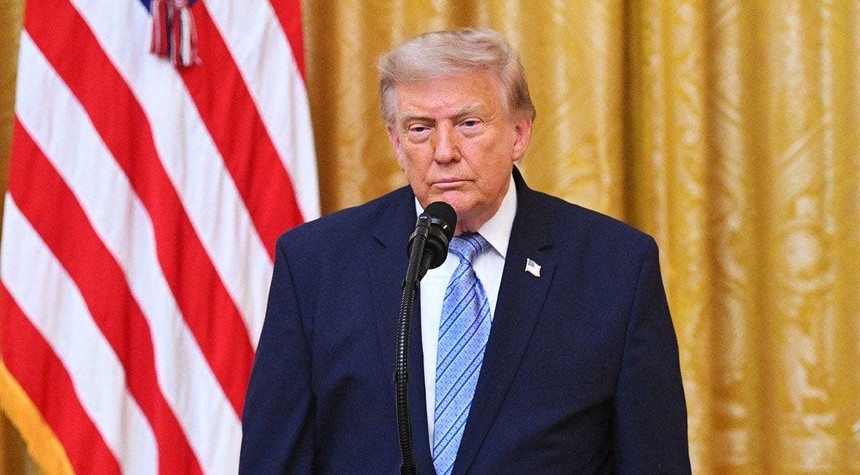
Here’s what happened. President Trump scheduled a primetime address for July 16. Nothing unusual about that. Presidents talk to the nation when they need to talk to the nation. But ABC and NBC decided Americans didn’t need to hear it live. CBS cut away partway through. Three major networks, three different flavors of the same decision: we’ll decide what matters.
Carter’s letter, obtained first by Fox News Digital, cuts right to the heart of it. These networks operate on public airwaves. Not private property. Not some digital platform they built from scratch. The airwaves belong to us, and in exchange for using them, broadcasters have obligations. One of those obligations involves serving the public interest. Another involves letting people hear their president when he addresses the nation.
You know what’s wild? Nobody’s saying these networks have to agree with Trump. Carter made that crystal clear in his letter. Disagree all you want. Run your fact checks. Bring on your panels of experts to dissect every word. But show the speech first. Let Americans hear what their president says before you tell them what to think about it.
The FCC Chairman, Brendan Carr, now has a decision to make. Should these choices factor into future broadcast license proceedings? It’s not a small question. Broadcast licenses come with responsibilities precisely because the airwaves are finite and valuable. If you’re going to claim that space, you’ve got to use it right.
Think about the precedent here. If networks can simply opt out of airing presidential addresses they don’t like, what’s next? Do they skip State of the Union speeches? Press conferences during national emergencies? At what point does editorial discretion become editorial censorship?
The networks will argue they made journalistic decisions. They’ll say Trump’s address didn’t meet their standards for news value or contained information they couldn’t verify in real time. But here’s the thing about that argument. It assumes their judgment should supersede the public’s right to hear directly from their elected leader. That’s not journalism. That’s paternalism dressed up in a suit.
Carter called it exactly right when he wrote that corporate executives shouldn’t decide which matters of national importance Americans are permitted to hear. Permitted. That’s the word that stings because it’s accurate. These networks positioned themselves as permission granters, as if they own the conversation about what’s important.
The free market folks might say viewers can just switch channels or stream the speech online. Sure, they can. But broadcast television still reaches millions who don’t have cable, who don’t stream, who rely on those networks precisely because they’re supposed to serve everyone. When you cut those people off from a presidential address, you’re not making an editorial choice. You’re making a political one.
This whole mess connects to something bigger. Trust in media sits at historic lows, and stunts like this are exactly why. People aren’t stupid. They see networks airing some presidential addresses but not others. They notice the pattern. They draw conclusions. And those conclusions rarely involve thinking the networks are just trying to maintain high journalistic standards.
Carter’s raising serious concerns, and he should. The FCC needs to look hard at whether ABC, NBC, and CBS violated their public interest obligations. Not because Trump deserves special treatment, but because the American people deserve access to their president’s words without a media filter deciding if they’re worthy of transmission.
The public airwaves aren’t a gift to corporate executives. They’re a trust, and that trust comes with strings attached.
Related: Republicans Target U.S. Territories as Next Front in Battle Against Birth Tourism