
So here’s what happened. After months of legal gymnastics and taxpayer-funded stonewalling, Joe Biden’s attorneys finally threw in the towel on keeping those Robert Hur interview recordings locked away. Just like that. The motion to drop the case came last week, and Obama-appointed Judge Tanya Chutkan accepted the voluntary dismissal on Monday without much fanfare.
The timing here isn’t subtle. Biden’s legal team noted in their filing that he’s now a private citizen who isn’t seeking public office. Translation? The political cost of fighting this battle suddenly vanished the moment he left the White House. When you’re not worried about voters anymore, transparency becomes a lot less terrifying.
These recordings came from Special Counsel Robert Hur’s investigation into Biden’s mishandling of classified documents. You remember that probe. The one where Hur described Biden as an elderly man with a poor memory who probably couldn’t be successfully prosecuted because a jury would see him as a sympathetic, forgetful old grandfather. That assessment alone should’ve ended Biden’s presidency right there, but the media largely gave him a pass.
The whole fight to suppress these tapes never made sense unless Biden and his team knew something damaging lurked in those recordings. Think about it. The transcripts were already public. We already knew what was said, at least officially. So why battle so hard to keep the audio under wraps? What’s the difference between reading words on a page and hearing them spoken?
The answer is obvious. Tone matters. Inflection matters. Long pauses matter. Confusion matters. You can clean up a transcript to make someone sound more coherent than they actually were in real time. You can edit out the ums and ahs, tidy up the grammar, make rambling answers seem focused. Audio doesn’t lie the same way.
This whole episode tells you everything about how the Biden administration approached transparency, which is to say they approached it the way vampires approach sunlight. Executive privilege got invoked. Legal maneuvers got deployed. The Justice Department, which Biden’s team sued to block the release, became both plaintiff and defendant in a bureaucratic circus that would make Kafka proud.
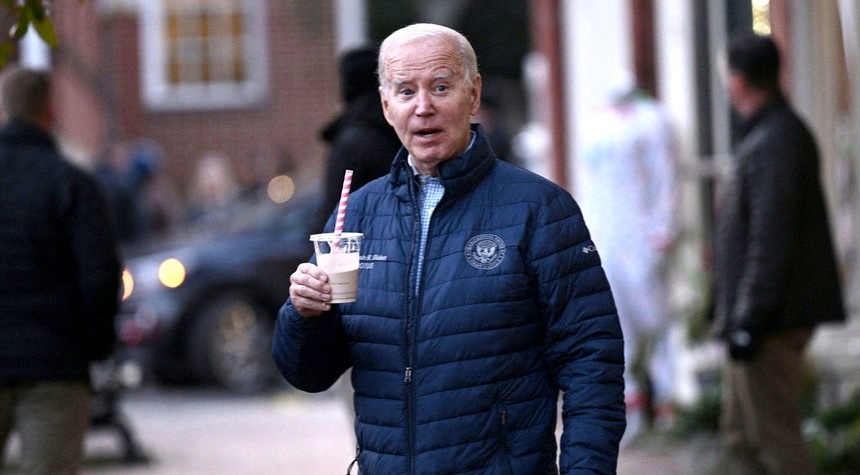
And now that Biden’s safely out of office, collecting his pension and presumably enjoying ice cream cones in Delaware, suddenly the fight isn’t worth fighting anymore. Convenient.
The broader issue here goes beyond one former president trying to hide embarrassing recordings. It speaks to a pattern we’ve seen repeatedly where Democrats demand accountability and transparency from Republicans while building legal fortresses around their own shortcomings. Remember how the left screamed about Trump’s tax returns for years? That same energy mysteriously disappears when their guy needs protecting.
These tapes will likely show what many Americans already suspected. Biden’s cognitive decline wasn’t some right-wing conspiracy theory or cheap shot. It was real, observable, and serious enough that his own special counsel felt compelled to mention it in an official report. The people around Biden knew it. His staff knew it. His family knew it. And they all kept the charade going because power mattered more than honesty.
Whether these recordings actually get released to the public remains to be seen. The legal pathway is clearer now, but bureaucratic delays have a funny way of stretching on forever. Still, the surrender itself is the story. Biden fought this battle hard, spent resources on it, made it a priority. Then the second he became irrelevant politically, the fight ended.
That should tell you everything you need to know about what those tapes contain and why he never wanted you to hear them.
Related: Appeals Court Blocks Trump Voter Verification Order as States Claim Emergency