
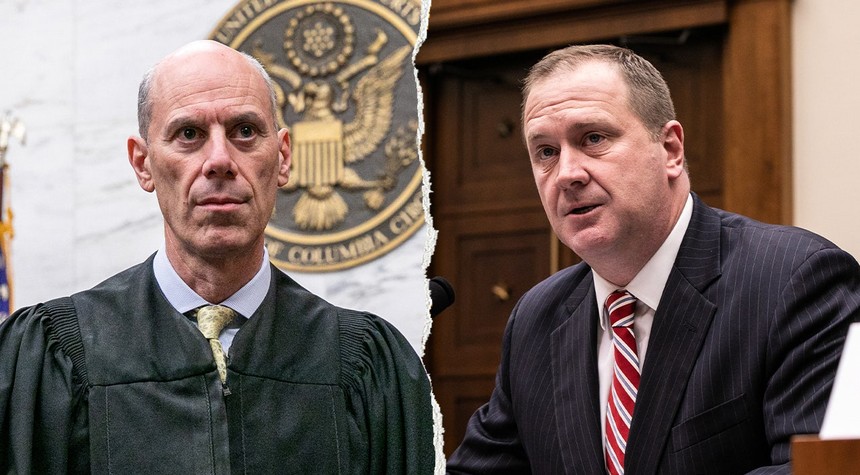
There’s something deeply unsettling about a system where judges can essentially pick their own cases. It flies in the face of everything we’re supposed to believe about impartial justice, doesn’t it? Senator Eric Schmitt from Missouri clearly thinks so, and he’s doing something about it.
The Republican senator just unveiled legislation that would force federal courts to randomly assign cases instead of letting them fall into convenient hands. He’s calling it the BOASBERG Act, and yes, that’s a direct shot at U.S. District Judge James Boasberg, the Obama appointee who’s become something of a thorn in President Trump’s side. The name isn’t subtle, but then again, neither is the problem Schmitt’s trying to fix.
Judge shopping has been an open secret in legal circles for years. Attorneys know which jurisdictions lean which way. They know which judges are likely to rule favorably on certain issues. It’s strategic lawyering, sure, but it’s also a perversion of the blind justice we’re all supposed to get. When you can essentially guarantee a sympathetic ear by filing in the right district, you’re not really trusting the law anymore. You’re gaming it.
Schmitt’s bill would require random assignment of federal civil cases across the board. No more chief judges quietly steering cases to preferred colleagues. No more convenient coincidences where major Trump administration challenges land on the desk of judges with known hostilities to conservative policies. The legislation gives courts 120 days to implement these changes and creates actual penalties for anyone caught manipulating the assignment process.
Here’s where it gets interesting. The bill also mandates that if the Supreme Court has to step in and intervene on a ruling, that case gets randomly reassigned. Think about that for a second. If a judge’s decision is so off base that SCOTUS has to correct it, maybe that judge shouldn’t keep handling the case. It’s common sense wrapped in legal procedure.
Boasberg himself has become the poster child for this issue, and not without reason. The judge has repeatedly inserted himself into Trump administration cases, often with rulings that seem less about law and more about obstruction. When a single judge in Washington D.C. can effectively halt presidential directives that affect the entire nation, something’s broken in the system. That’s not checks and balances. That’s judicial activism with a gavel.
The timing matters too. We’re watching in real time as various district judges block Trump executive orders, issue contempt threats, and generally treat the executive branch like it needs a hall pass to govern. These aren’t just legal disagreements anymore. They’re power plays dressed up in black robes.
Schmitt’s legislation also requires courts to publicly disclose their case assignment practices. Transparency, imagine that. If there’s nothing improper happening, there’s nothing to hide, right? But you can bet some judges are going to fight this tooth and nail because sunshine is the best disinfectant, and nobody wants their questionable practices exposed.
The broader question here is about institutional trust. Americans are supposed to believe the courts are fair arbiters, not political players. But when you see the same judges hearing the same types of cases with predictable outcomes, that trust erodes fast. People aren’t stupid. They can see patterns.
This bill won’t solve every problem in our judicial system. It won’t stop activist judges from making bad rulings based on personal politics rather than constitutional text. But it will make it harder for them to guarantee they get the chance to make those rulings in the first place. That’s a start, and frankly, it’s overdue.
Related: Fauci Chased a Million Dollar Prize While Americans Died From COVID