
Lindsey Graham spent his final days pushing a piece of legislation that could fundamentally cripple Russia’s ability to wage war. Now he’s gone, and the question facing Senate Republicans is simple: will we finish what he started?
The bipartisan sanctions bill unveiled Tuesday represents something rare in Washington. It’s actual policy with teeth, not the usual performative nonsense we’ve grown accustomed to. This thing targets Russian energy exports where it hurts, slapping tariffs up to 100% on the top five importers of Russian crude oil and natural gas. That means China, Russia’s biggest customer, faces the full brunt of American economic power. You know what? It’s about time.
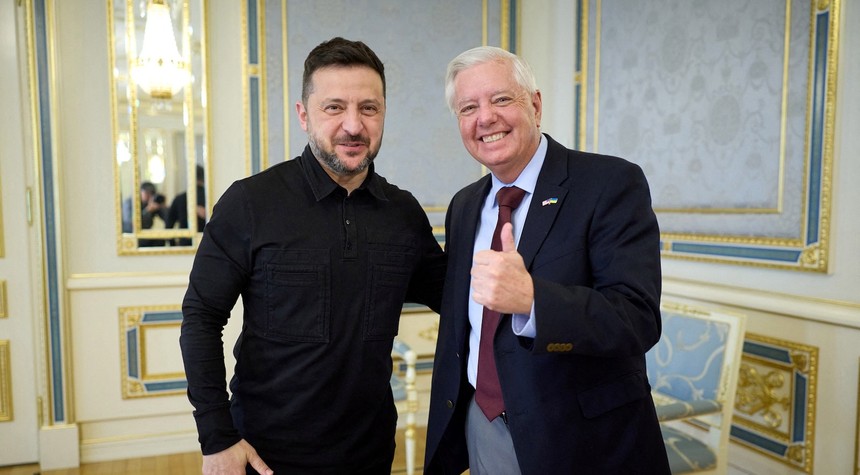
Graham was calling from Kyiv when he last spoke with Democratic Sen. Richard Blumenthal, reportedly “exultant” that President Trump had finally signed off on the measure. The image is striking. A conservative warrior in Ukraine’s capital, celebrating what would become his legislative swan song. The bill had been stuck in purgatory for over a year, waiting for White House approval and adjustments. Conversations with Treasury Secretary Scott Bessent during the NATO summit in Ankara finally broke the logjam.
Here’s where conservative principle meets strategic reality. We believe in free markets, absolutely. But free markets don’t include subsidizing tyranny through energy purchases that fund invasions of sovereign nations. Russia’s war machine runs on oil revenue. Every barrel China buys, every cubic meter of natural gas flowing through pipelines, translates directly into ammunition, missiles, and body bags in Ukraine. Cutting off that money isn’t protectionism. It’s common sense wrapped in national security imperatives.
The legislation goes beyond simple tariffs. It sanctions Russian financial institutions and major state energy projects while targeting countries trading defense items with Moscow. That includes Iran, which Trump suggested might warrant additional focus alongside Hezbollah. Blumenthal pushed back on expanding the bill’s scope, noting it took nearly two years of painstaking negotiation to reach this point. He’s not wrong about the risk of legislative mission creep, but Trump’s instinct to tighten the screws on Tehran isn’t misplaced either.
What makes this moment particularly urgent is Ukraine’s battlefield momentum. They’re gaining territory, striking deep into Russia with drones and missiles, demonstrating that Putin’s army isn’t the unstoppable force propaganda claimed. Economic pressure now, while Ukraine holds advantages, creates the conditions for actual negotiation. Sanctions provide leverage. They force difficult conversations in Moscow about whether continuing this catastrophic adventure makes sense.
Some will complain about disrupting global energy markets or punishing allies still weaning themselves off Russian supplies. The bill includes exemptions for countries like France and Japan precisely because they’re making good faith efforts to cut ties with Moscow. That’s smart policy. We’re not interested in punishing friends for past dependence. We’re interested in choking off Putin’s revenue streams going forward.
Sen. Tom Cotton said Congress should pass this “immediately,” and he’s absolutely right. Graham knew that raising costs on Russia represents the only viable solution short of direct military confrontation. This bill restricts their ability to fund aggression while demonstrating American resolve without risking American lives. It’s the kind of strategic thinking conservatives should champion every single time.
The Senate aide confirmed Graham personally signed off on this legislation before his death. The bill text hasn’t changed since. That matters because it means we’re not dealing with some posthumous reinterpretation of his intentions. This is what the man wanted, negotiated for, and died believing would pass.
Blumenthal called passage a “fitting tribute” to Graham. Fine. Tributes are nice. But this isn’t about sentiment. It’s about finishing critical work that advances American interests and stands with allies facing existential threats. Graham would’ve been the first person to reject maudlin memorial gestures in favor of concrete action. So let’s act. Pass the bill, implement the sanctions, and watch Russia’s war economy strain under pressure it can’t afford.
Related: When Serving Your Country Means Teaching Your Kids What Bulletproof Vests Are For