
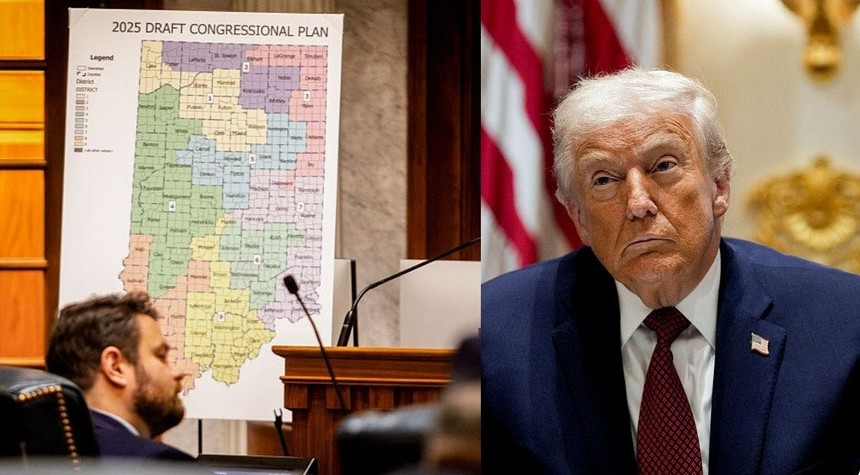
Rodric Bray just learned what happens when you stand between Donald Trump and what he wants. The Indiana Senate President Pro Tem announced Friday he won’t seek reelection to his leadership post come November, effectively waving the white flag after months of conservative pressure over his refusal to back Trump’s redistricting scheme. This wasn’t a graceful retirement. This was a strategic retreat.
Bray’s office dressed it up nicely, of course. They said he’s stepping aside because Trump allies promised to recruit and fund primary challengers against any senator who dared support his leadership bid. The statement painted Bray as some noble figure protecting his members from internecine warfare. But let’s be honest about what happened here. Trump wanted those two extra House seats that redistricting could’ve delivered, and Bray said no. That’s the whole story.
The president didn’t exactly hide his satisfaction. He took to Truth Social with the kind of victory lap that makes establishment Republicans wince. Trump called Bray foolish, blamed him for candidate losses (many of them longtime officeholders), and suggested he should resign completely rather than just step down from leadership. “Better yet would be if he would resign from Office, completely, but he will be met by us at the Indiana Polls,” Trump wrote. You can almost hear the rallying cry embedded in those words.
Here’s where this gets interesting, though. Bray will continue representing Senate District 37. He’s not leaving the legislature entirely. Which means he’s betting he can survive a primary challenge as a rank-and-file member even if he couldn’t weather one as a leader. Maybe he’s right. Local politics often operates on different rules than statewide or national contests. Your constituents might forgive what the broader party won’t.
But this episode reveals something deeper about where the Republican Party stands right now. We’re in an era where loyalty to Trump matters more than seniority, institutional knowledge, or even legislative effectiveness. Bray wasn’t some liberal Republican. He wasn’t blocking conservative priorities across the board. He just disagreed on one issue, one time. That used to be called principled leadership. Now it’s called career suicide.
The redistricting fight itself matters beyond Indiana. Every state legislature controlled by Republicans faces the same question: do we maximize our advantage or do we play it safer? Trump clearly wants maximum aggression. He sees those potential House seats as rightfully his, as tools for securing conservative victories. And honestly, can you blame him? Democrats gerrymander when they control state houses. They’re not exactly operating from some high-minded commitment to competitive districts.
What bothers me isn’t that Trump pushed for favorable maps. It’s that we’re eating our own over tactical disagreements. Bray’s exit sends a message to every state legislator in America: cross Trump and you’re done. That might produce short-term wins, but it kills the kind of robust internal debate that makes parties stronger. You know what happens when everyone’s too scared to disagree? You get groupthink. You get bad decisions that nobody questioned because questioning meant exile.
Still, Trump’s base will call this accountability. They’ll say Bray had his chance to deliver and failed. They’ll argue that Republican voters are tired of leaders who won’t fight hard enough, who leave seats on the table out of misguided caution or institutional timidity. There’s truth in that frustration. How many times have we watched Republican legislators fold when they should’ve stood firm?
The Indiana Senate will elect new leadership in November. Whoever takes Bray’s place will have learned the lesson: when Trump wants something, you find a way to deliver it or you find a new job. That’s the new reality of Republican politics. Whether that’s good or bad depends entirely on whether you think party discipline matters more than individual judgment. I’m still figuring out where I land on that question.
Related: Mayor Mamdani Showed Up to Honor a Hero But Never Got to Speak