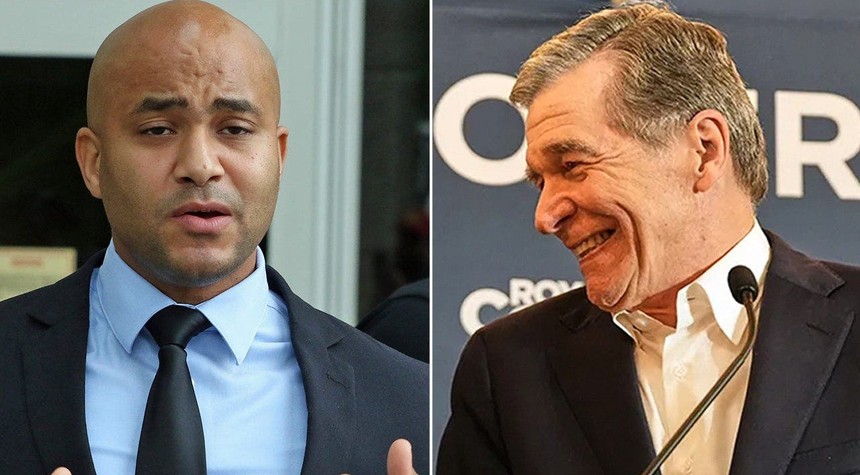
Roy Cooper wants you to know he’s tough on crime. The former North Carolina governor, now running for Senate, spent his career locking up bad guys and signing legislation that kept communities safe. That’s the story his campaign tells, anyway. But here’s what they don’t mention in those polished talking points: back in 2020, Cooper personally added a convicted Bloods gang member to his Racial Equity in Criminal Justice task force.
Let that sink in for a moment. A man who prosecutors identified as a ranking member of one of America’s most violent street gangs was handed a seat at the table to reshape how North Carolina handles crime and punishment.
Kerwin Pittman served 14 years in prison for conspiracy to commit murder. The crime stemmed from a 2006 drive-by shooting that killed 19-year-old Jamel Amiens Jeffreys. These aren’t minor offenses we’re talking about. This wasn’t someone caught with a joint or writing bad checks. Pittman was part of an organization that terrorized communities, and he participated in plans that ended a teenager’s life before it really began.
Cooper created this task force through executive order right after George Floyd’s death, when the entire country was having heated debates about policing and justice reform. The panel mixed state officials with community activists, which sounds reasonable enough on paper. But the composition tells you everything about Cooper’s priorities and judgment. He handed leadership to Josh Stein, who was attorney general at the time, and filled out the roster with people like Pittman, who was working for Emancipate NC when he got the appointment.
You know what Emancipate NC believes? That policing exists solely to maintain white supremacy. They’ve called for abolishing police departments entirely. Their 2023 blog post didn’t mince words about it. So Cooper didn’t just pick someone with a criminal past. He picked someone connected to an organization that wants to dismantle law enforcement as we know it.
Pittman defended himself to reporters, saying he was asked to contribute because of his lived experience and community work. He pointed out that his gang involvement and criminal conduct happened when he was a teenager, around 19 years old. He’s 39 now, and he’s never hidden his past. Fair enough. People can change. Redemption is real, and second chances matter. That’s part of what makes America exceptional.
But there’s a difference between believing in redemption and handing someone with that background influence over statewide criminal justice policy. Cooper wasn’t just giving Pittman a job at a warehouse or helping him get back on his feet. He was giving him a voice in shaping how the state prosecutes crime, handles sentencing, and treats law enforcement. That’s not compassion. That’s recklessness dressed up as progressivism.
The Cooper campaign fired back at critics by pointing to his Republican opponent, Michael Whatley, who apparently appointed a convicted child sex predator to a role in the North Carolina Republican Party. If true, that’s genuinely horrifying and disqualifying. Nobody should be making excuses for putting predators near children. But here’s the thing about whataboutism: it doesn’t actually defend your own choices. It just tries to make everyone look equally bad.
North Carolinians deserve better than this race to the bottom. They deserve leaders who understand that criminal justice reform doesn’t mean putting former gang members in charge of policy. Reform means fixing what’s broken while keeping communities safe. It means addressing legitimate concerns about policing without empowering people who think cops shouldn’t exist at all.
Cooper’s decision wasn’t just poor judgment. It was a window into how modern progressives think about crime, punishment, and public safety. They’re more concerned with signaling their commitment to equity than protecting the people who actually live in high-crime neighborhoods.
Related: Goebel Farms Stands Firm After Honoring Assassinated Conservative Leader Charlie Kirk