
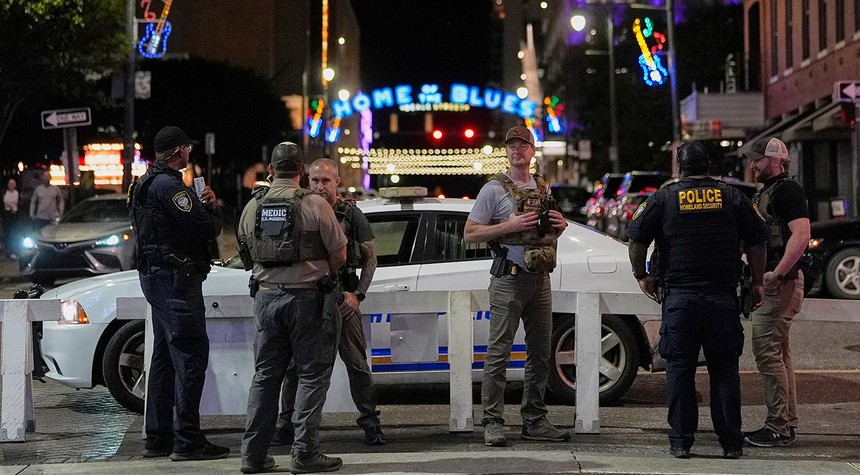
Memphis was a disaster. Let’s just say it plainly. The city had the highest violent crime rate in America in 2024, and nobody seemed willing to admit that thoughts and prayers weren’t cutting it anymore. Then Trump sent in the National Guard, and suddenly we’re looking at numbers that make the criminal justice reform crowd awfully quiet.
The Memphis Safe Task Force just hit its one-year mark, and the haul is staggering. More than 12,000 arrests. Over 2,100 illegal firearms off the streets. These aren’t traffic stops we’re talking about. We’re talking murderers, sex offenders, drug traffickers. The kind of people who make neighborhoods unlivable and send property values into the basement.
Here’s what really matters though. Overall crime dropped 36 percent year over year. Motor vehicle thefts down 57 percent. Robberies down 43 percent. Murders down 44 percent. You know what those numbers represent? Real people who didn’t get their cars stolen. Real families who didn’t lose someone to violence. Real business owners who aren’t watching shoplifters walk out with impunity anymore.
The operation brought together federal, state, and local law enforcement after Trump signed a presidential memorandum last September deploying National Guard personnel to the city. Memphis is a Democratic-leaning city in a Republican state, which created an interesting dynamic. The locals had been running things their way for years, and their way produced the worst violent crime rate in the nation.
White House spokesperson Lauren Bis put it directly when she told reporters that Trump restored law and order to a city failed by extreme Democrats’ soft-on-crime policies. That’s not partisan spin. That’s just reading the FBI data and accepting reality.
Take Darian Glover, convicted in August of distributing fentanyl that killed three people. One victim thought he was buying cocaine. He got fentanyl instead, and that was it. Or Courtney Trenell, sentenced to 15 years for being a getaway driver in two bank robberies and part of a conspiracy to hit six Memphis-area banks. These are the people now behind bars instead of prowling the streets.
Retired Chicago Police Chief of Detectives Eugene Roy is watching all this from a city that desperately needs similar intervention. Chicago should look at Memphis, he says, where homicides fell sharply after the National Guard moved in. But local leaders are refusing federal help even as they face a deepening officer shortage. Pride is expensive when it costs lives.
The bigger question is why this approach works when progressive policies keep failing. It’s not complicated. Criminals respond to consequences. When enforcement is consistent and resources are adequate, crime goes down. When district attorneys treat crime like a poverty issue instead of a public safety crisis, it goes up.
Burglaries dropped 27 percent in Memphis. Shoplifting fell 44 percent. These aren’t abstract statistics. They’re small business owners who can keep their doors open. They’re elderly residents who feel safe walking to the corner store again.
The blueprint is sitting right there. A city drowning in crime gets serious about enforcement, commits real resources, and coordinates between agencies. One year later, the results speak louder than any think tank paper or activist slogan ever could. Memphis got safer because adults made hard decisions that the previous leadership wouldn’t touch.
Other cities are watching. They should be. Because what happened in Memphis isn’t magic. It’s what happens when you prioritize victims over criminals and recognize that compassion without order is just chaos with better branding.
Related: When a Russian Oligarch Pays for Your Wedding Party, It’s Not About Generosity