Eight weeks out from the midterms and everyone’s talking about the economy like it’s the only thing that matters. Sure, poll after poll puts economic concerns at the top of voter priority lists. But here’s what the consultants won’t tell you: the economy means different things to different people, and assuming a rising tide lifts all political boats is how you lose 42 House seats in a single cycle.
Remember 2018? Republicans thought a strong economy would carry them through. It didn’t. Healthcare and immigration topped economic concerns for voters that year, and the GOP got shellacked. The lesson wasn’t that the economy doesn’t matter. The lesson was that “the economy” is shorthand for a dozen different anxieties, and ignoring the distinction costs elections.
James Carville’s famous “It’s the economy, stupid” line has become gospel for political strategists. What most people forget is that he gave candidates two other marching orders that same cycle: don’t forget healthcare, and frame the race as change versus more of the same. All three mattered. All three still matter.
President Trump can point to some genuinely solid numbers. Last week’s jobs report showed 162,000 new positions, triple what economists expected. Unemployment sits at 4.1 percent. The stock market keeps climbing despite Iran tensions and tariff volatility. These aren’t small achievements. But they’re also not connecting with voters the way raw data suggests they should.
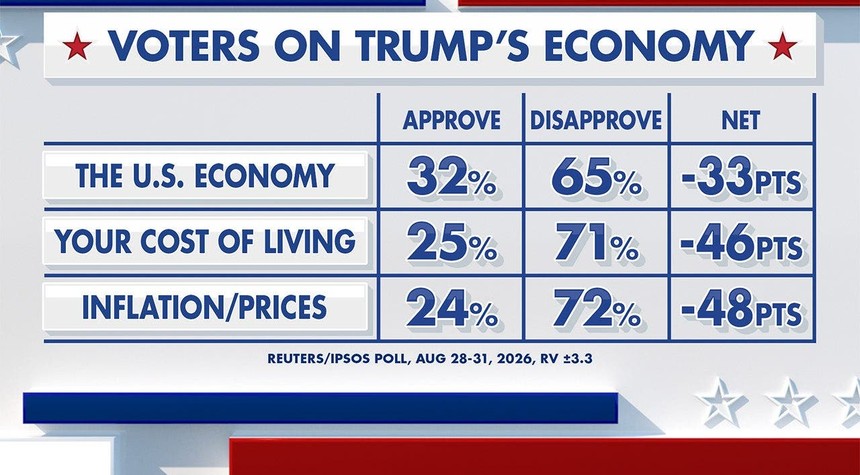
Here’s the disconnect. When pollsters ask about Trump’s overall economic performance, he pulls numbers in the low to mid 30s for approval. Not great, but not catastrophic either. Ask those same voters about cost of living or inflation and prices specifically, and approval drops to 24 or 25 percent. That gap tells you everything you need to know about how Americans actually experience this economy.
Gas prices matter more than GDP growth to most families. Grocery bills hit harder than unemployment statistics. You can create a million jobs and still lose voters if they’re paying twice as much for eggs as they were two years ago. This isn’t complicated math, but it requires politicians to listen instead of lecturing voters about how good they should feel.
The real danger for Republicans isn’t that voters think the economy stinks. It’s that Democrats haven’t yet convinced anyone they’d do better. Voters are sour on current conditions without being enthusiastic about the alternative. That’s winnable territory if conservatives can articulate a clear vision beyond “things could be worse.”
Healthcare keeps showing up as a top tier issue, running neck and neck with economic concerns in most surveys this year. The two issues bleed into each other because both touch the same nerve: can my family afford to live? Can we handle an emergency? Are things getting easier or harder? Those questions don’t care about your quarterly earnings report or your position on the Laffer curve.
Republicans need to quit treating economic messaging like it’s just about touting job numbers and stock market gains. Those matter to investors and policy wonks. Regular voters want to know if they can afford rent, whether their kids can find decent work, and if they’ll still have health coverage next year. Answer those questions with specifics rather than platitudes, and maybe we won’t see another 2018 wipeout.
The next eight weeks will test whether conservatives learned anything from past losses. Economic optimism alone won’t cut it. Neither will assuming voters will automatically credit Trump for positive indicators while forgiving him for negative ones. Elections get decided by people trying to make ends meet, not economists analyzing trend lines. Talk to the former group, or lose to Democrats who will.
Related: Israeli Ambassador Blasts NYC Mayor for Weaponizing Protests Against Netanyahu