
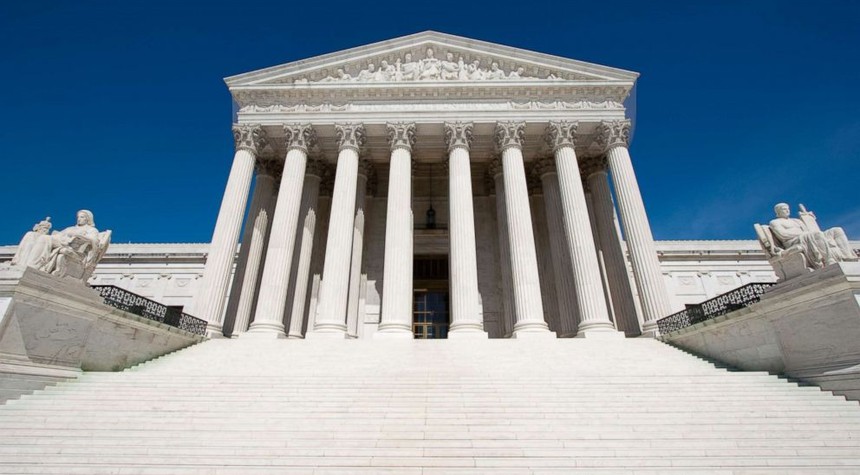
The Trump administration just asked the Supreme Court to boot 29 transgender service members out of the military right now, before their case even goes to trial in January. Not after due process. Not after the legal system runs its course. Now.
Let’s be clear about what’s happening here. Solicitor General John Sauer filed an emergency appeal calling this a matter of “exceptional importance,” arguing that the military’s authority to decide who serves is fundamental to national defense. He’s not wrong about that principle. The question is whether we’re talking about military readiness or something else entirely.
These aren’t random recruits who showed up yesterday. According to the government’s own attorneys, these are qualified individuals meeting all military standards. We’re talking about active duty members, reservists, National Guard members, and one person trying to enlist. They’re doing their jobs. They’re passing their tests. They’re serving their country while this administration scrambles to remove them based on what several federal courts have suggested looks a lot like pure animus.
Here’s where it gets interesting. The Supreme Court already gave Trump the green light last year to move forward broadly with banning service members who have a history of gender dysphoria. But federal judges in U.S. v. Talbott blocked the discharge of these specific plaintiffs last June. That should tell you something. Even with the broader policy approved, courts looked at these individual cases and said wait a minute, something’s off here.
The legal gymnastics are worth noting. Sauer claims the lower court ruling is “gravely erroneous” and can’t be squared with Supreme Court precedent or proper deference to military judgment. That’s a hefty claim considering multiple courts have found this ban likely violates constitutional rights to due process and equal protection. When several different judges independently reach similar conclusions about animus, maybe it’s worth asking whether the policy itself has problems.
You know what strikes me most about this? The sheer waste of it all. Jennifer Levi from GLAD Law, representing these service members, points out we’re talking about millions of taxpayer dollars spent to kick out thousands of highly trained, skilled, decorated troops. In an era where military recruitment is struggling, where we constantly hear about readiness concerns and personnel shortages, we’re actively trying to discharge people who volunteered to serve and are doing it well.
The military has legitimate concerns about standards, readiness, and unit cohesion. Nobody disputes that. But when you’re meeting the standards, when you’re doing the job, when your commanders aren’t complaining about your performance, then what exactly is the problem? This isn’t about capability. It’s about identity, and whether someone’s gender history disqualifies them from service even when everything else checks out.
The timing matters too. Asking for immediate removal before trial suggests an urgency that doesn’t align with the stated concerns. If this were truly about military effectiveness, wouldn’t the administration be confident enough to let the case proceed? If the policy is sound, if it’s based on legitimate defense needs rather than bias, prove it in court. Instead we get an emergency appeal demanding action before anyone can examine the evidence too closely.
The justices will decide this fall whether to hear the case at this early stage. Until then, these 29 service members stay in uniform. They’ll keep doing their jobs, keep meeting standards, keep serving a country that’s currently debating whether they deserve to be there at all.
Conservative principles include respect for individual merit and proven capability. We believe in earned opportunity, not guaranteed outcomes. These service members earned their place. They proved themselves capable. Now they’re being told that’s not enough, that who they are outweighs what they’ve accomplished and continue to accomplish every day.
The administration frames this as necessary military authority. Fair enough. But authority without sound reasoning becomes arbitrary power, and arbitrary power is exactly what limited government principles exist to constrain. When courts across the political spectrum keep questioning whether constitutional rights are being violated, that’s not judicial activism. That’s the system working as designed, checking power that might exceed its legitimate bounds.
We’ll see what the Supreme Court decides. But rushing to discharge qualified service members before their day in court sure doesn’t project confidence in the merits of the case.
Related: New Jersey’s Voter Registration Mess Just Got Worse for Governor Sherrill