
The Trump administration just fired a federal prosecutor who was part of the team that brought fraud charges against Gautam Adani, the Indian billionaire who walked away from a serious criminal case after promising to invest billions in America. And nobody at the Justice Department wants to talk about it.
Here’s what we know. The prosecutor worked in the DOJ’s Fraud Section in Washington. When Principal Associate Deputy Attorney General Trent McCotter moved to dismiss the case against Adani in May, this prosecutor and a colleague asked to withdraw from the case two days later. That’s legal speak for “I want nothing to do with this decision.” A month after the case got tossed, the prosecutor got an Article II letter. That’s what DOJ veterans now call the pink slips this administration hands out without explanation, just a citation of Trump’s executive authority under the Constitution.
You know what’s striking here? The timing tells you everything the official statements won’t. Adani was charged in November 2024 with orchestrating a scheme to defraud U.S. investors and bribe Indian officials to secure a contract for the country’s largest solar power project. He called it baseless. Then he pledged billions in U.S. investments. Then the case disappeared faster than a politician’s campaign promise.
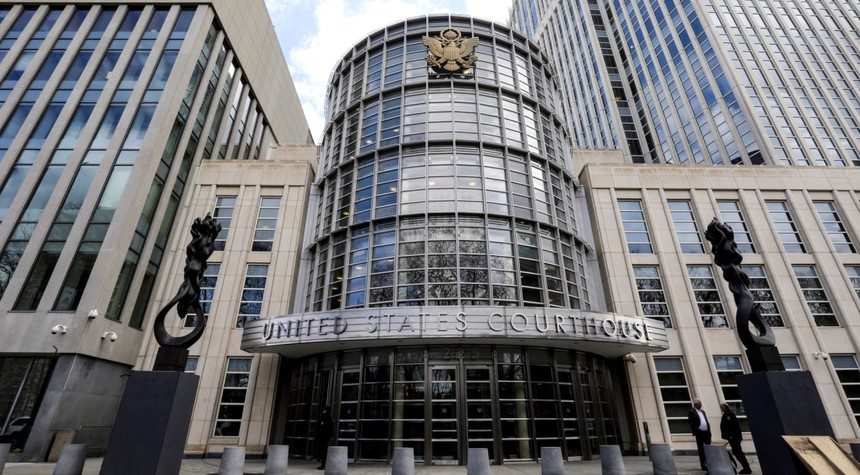
Democratic lawmakers smelled a quid pro quo immediately, and honestly, can you blame them? When a billionaire facing fraud charges suddenly promises massive investments and the prosecution evaporates, it looks exactly like what it looks like. Federal Judge Nicholas Garaufis wasn’t buying the government’s story either. He agreed to dismiss the case against Adani, but he didn’t hold back. He called the Trump administration’s conduct “highly unusual” and demanded answers about whether any deal was cut. Adani swore under oath there wasn’t. The Justice Department said the same.
But here’s where it gets interesting. Judge Garaufis let some charges stand against Adani’s co-defendants, writing that the Trump administration “had not provided sufficient factual information to support the stated reasons” for dropping the charges. That’s judicial language for “your explanation is garbage and I’m not pretending otherwise.”
The defense team apparently put together a slide deck presentation that included a proposal for ten billion dollars in U.S. investments. Ten billion. That’s the kind of number that gets meetings scheduled and phone calls returned. U.S. Attorney Joseph Nocella wrote in a May email that the proposal was “categorically rejected” by his office. McCotter defended the dismissal by saying the case was “indefensible” and he would have dropped it regardless of any investment talk.
Maybe that’s true. Maybe the case really was falling apart and the timing is just unfortunate optics. But when you fire the prosecutor who tried to distance himself from that decision, you’re not exactly building confidence in the process.
This isn’t just about one case or one billionaire. It’s about whether our justice system operates on evidence and law, or whether it bends when enough money and political pressure show up at the right doors. The Trump administration has every right to review prosecutions and dismiss weak cases. That’s part of executive authority. But transparency matters. Explanations matter. When career prosecutors ask to withdraw from a case and then lose their jobs, people notice.
The broader pattern here troubles me more than any single firing. This administration has dismissed numerous federal employees with nothing more than a constitutional citation. No performance reviews. No stated reasons. Just Article II letters and empty desks. That might be legal, but it corrodes institutional trust. It makes people wonder whether loyalty to specific outcomes matters more than faithful execution of the law.
Traditional conservatives used to champion the rule of law as a bedrock principle. Equal justice under law isn’t a progressive talking point; it’s carved into the Supreme Court building. When foreign billionaires accused of fraud can make their problems vanish while prosecutors who object lose their careers, that principle takes a beating.
I want to believe McCotter when he says the case was indefensible. I want to believe the investment pledges had nothing to do with the dismissal. I want to believe this prosecutor’s firing was unrelated to their withdrawal request. But wanting to believe something and seeing evidence for it are different things. And right now, the evidence points toward a system where asking the wrong questions or expressing the wrong concerns can cost you your job.
The Justice Department declined to comment. The prosecutor hasn’t responded to requests for comment. Adani’s attorney couldn’t be reached. All those silences just make the questions louder. In a country built on transparency and accountability, silence from the powerful should always make us nervous.
Related: Virginia County Uses Your Tax Dollars to Shield Illegal Immigrants From Federal Law