
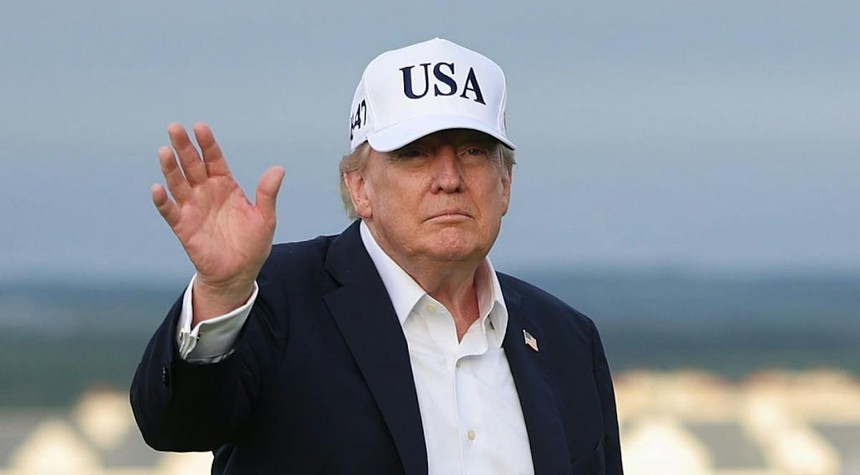
President Trump came out swinging in favor of Flock surveillance cameras this weekend, and honestly, it’s one of those moments that shows how quickly technology is forcing conservatives to pick sides on questions we never thought we’d be arguing about. Flying on Air Force One Sunday, the president told reporters he likes the controversial license plate readers because they help law enforcement do their jobs. “I sort of like them because of that, because of law enforcement, but some people don’t. They think it’s an infringement, but I like them,” Trump said.
And there’s the tension right there, isn’t it? The whole thing wrapped up in one sentence.
These Flock cameras, those solar-paneled devices popping up on street corners across America, have become a genuine flashpoint. Around 5,000 law enforcement agencies use them now. That’s not a small pilot program. That’s nationwide adoption while most Americans were barely paying attention. The cameras snap photos of vehicles and license plates, creating a database that cops can search when they’re tracking down leads or trying to solve crimes. Flock insists they don’t use facial recognition, don’t provide live video feeds, and don’t continuously track vehicles. Just snapshots of who drove where and when.
Supporters say it’s common sense crime fighting. John Wilkerson from the Texas Municipal Police Association puts it bluntly. These cameras sit in public places where anyone with a smartphone could record the same information anyway. “I really hope the individuals out there, destroying the camera systems, never become a victim of a crime themselves,” he said. It’s a fair point, even if it sounds harsh. We’ve all got ring doorbells and security cameras pointed at the street. Is this really that different?
But here’s where it gets interesting. Two of the biggest names in Republican politics, Ron DeSantis and Greg Abbott, aren’t buying what Trump’s selling on this one. DeSantis said last month that Flock camera use in Florida was “out of control” and took action to yank them off state highways. “I’m all about having law enforcement have tools to hold criminals accountable,” he explained. “I think that’s important that we do that, and no one’s been stronger on law enforcement than me, but I don’t want to have this become a surveillance state.”
Abbott paused state funds for Flock cameras in Texas. These aren’t soft-on-crime progressives worried about hurting feelings. These are law-and-order governors who’ve built their reputations on backing the blue and cracking down on lawlessness. When they’re pumping the brakes, conservatives need to pay attention.
The left opposes these cameras too, but for different reasons. They’re worried ICE will use the technology to track down and arrest illegal immigrants. Which, you know what, seems like exactly the kind of thing ICE should be doing if we’re serious about border security and immigration enforcement. But that’s a separate debate.
Even the Fraternal Order of Police, while backing the technology itself, has criticized Flock for how it handles privacy concerns. They want more safeguards. When the police union is asking for privacy protections, maybe we should all take a breath and think this through.
This fight cuts to something deeper than cameras and license plates. It’s about whether we trust the government with tools that could easily be misused. Conservatives have spent generations arguing for limited government precisely because we understand how power corrupts and how temporary measures become permanent. Today it’s tracking criminals. Tomorrow it’s tracking political dissidents or people who don’t toe the party line.
Trump’s broader tech stance leans optimistic. He’s backing data centers, pushing artificial intelligence development, betting America can win the technology race. “It’s going to be more good than bad,” he said Sunday about AI concerns. “And I’ve said it from the very beginning. Whoever wins AI, and we’re leading by a lot. Whoever wins AI wins.”
There’s merit to that view. China isn’t wringing its hands about privacy when it comes to surveillance technology. They’re building the most comprehensive monitoring system in human history. If we handicap ourselves too much, we lose the competition before it really begins.
But DeSantis and Abbott represent something conservatives can’t ignore. The principle matters more than the convenience. We can support law enforcement without building infrastructure that a future administration could weaponize against us. Because that’s the thing about surveillance states. They don’t announce themselves with jackboots and secret police. They arrive quietly, one reasonable exception at a time, until you look up one day and realize there’s nowhere left to hide.
Related: Judge Rules Against FEMA Workforce Cuts in Victory for Bureaucratic Bloat