
Federal Judge David O. Carter isn’t buying what the Trump administration is selling, and honestly, you can’t blame him. The Department of Justice rolled into his courtroom Tuesday asking for emergency intervention in California’s election based on a list of 20,000 supposedly “likely” noncitizens who received mail-in ballots. The judge took one look at the timing, the methodology, and the chaos this would create, then decided to appoint a special master to dig into how DOJ even compiled this list in the first place.
That’s a polite way of saying he thinks something smells off.
Here’s what should concern anyone who values actual evidence over political theater. When Los Angeles officials examined just 200 names from this supposedly airtight list of noncitizens, they found a “high percentage” of people born right here in the United States. Many more had zero voting history at all. So we’re talking about a list that appears to be garbage data dressed up as a national security crisis, deployed exactly one week before a state election.
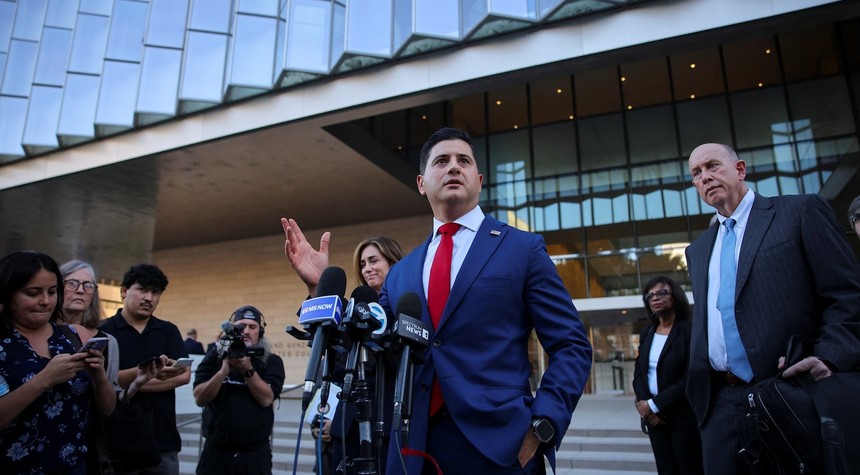
The Trump-installed U.S. Attorney Bill Essayli stood before Judge Carter and argued the administration simply wanted California to comply with federal law preventing noncitizens from voting. That sounds reasonable until you consider the execution. You don’t enforce election integrity by threatening state and county officials with prosecution for doing their jobs. You don’t protect the vote by demanding California segregate 20,000 ballots based on faulty information that could disenfranchise actual American citizens.
Judge Carter saw through it. His closing remarks carried the kind of judicial irritation that makes lawyers nervous. He told the administration to stop threatening California’s election workers immediately. Not eventually. Not after we sort this out. Immediately. When a federal judge uses that tone, you know he’s done with the games.
The constitutional principle here matters more than partisan politics. States run their own elections. That’s not a California thing or a blue state preference. That’s foundational American governance, the kind of federalism conservatives have championed for generations. The DOJ can’t just barge into state election administration days before voters head to the polls and demand “monumental changes” without extraordinary proof.
And where’s that proof? A list that falls apart under basic scrutiny.
The Ninth Circuit already rejected DOJ’s emergency appeal Monday, kicking the case back down to Judge Carter’s district court. That’s two federal courts now pumping the brakes on this operation. Maybe that tells you something about the legal merits.
Look, protecting election integrity is critical. Nobody wants noncitizens voting in American elections. But you accomplish that through careful verification, not through last-minute federal intervention based on sloppy data collection. Real election security requires precision, not political stunts timed to create maximum disruption.
The special master appointment means someone independent will actually examine how DOJ created this list. What databases did they use? What verification steps did they take? How many false positives exist? These are basic questions that should have been answered before filing a lawsuit demanding California upend its election process.
State officials argued this litigation violates longstanding constitutional principles and could create chaos in tabulating final vote counts. They’re right. Imagine trying to segregate 20,000 ballots while counting results in the nation’s most populous state, only to discover later that most of those voters were citizens all along. You’d create exactly the kind of confusion that undermines confidence in elections.
Judge Carter recognized that danger. He appeared skeptical throughout the hearing, questioning why DOJ waited until the eleventh hour to raise these concerns. If they had legitimate evidence of widespread noncitizen voting, why not present it months ago? Why wait until the machinery of democracy is already in motion?
The answer probably has more to do with politics than policy. Creating controversy around election integrity plays well with certain audiences, even when the underlying claims can’t withstand scrutiny. But federal judges deal in evidence, not narrative. Carter wants facts, and he’s appointing someone to find them.
This whole episode reveals the danger of conflating legitimate concerns about election security with poorly executed federal overreach. Conservatives should champion both secure elections and limited government. Those principles aren’t contradictory. They’re complementary. But you can’t selectively apply federalism only when it suits your political goals.
California voters deserve to know their ballots count. American citizens on that DOJ list deserve not to be falsely accused of being noncitizens. State election workers deserve to do their jobs without federal prosecution threats hanging over their heads. And the rule of law deserves better than hastily compiled lists and emergency court filings designed to manufacture crisis.
Judge Carter seems poised to ensure all of that happens. His ruling should come tomorrow, and whatever he decides will set the tone for how seriously courts take these last-minute election challenges. If the evidence doesn’t support extraordinary intervention, then states should be left to run their elections according to their own laws and timelines.
That’s not a liberal position or a conservative position. That’s just how our constitutional system is supposed to work.
Related: Ohio’s Capital City Just Sent Your Tax Dollars to Ghana and Bernie Moreno Wants Answers