
Senate Republicans are confronting an uncomfortable reality as they return to Washington following a devastating Election Night that saw Democrats seize control of the upper chamber with at least 54 seats. The facts are stark, and the consequences demand immediate attention.
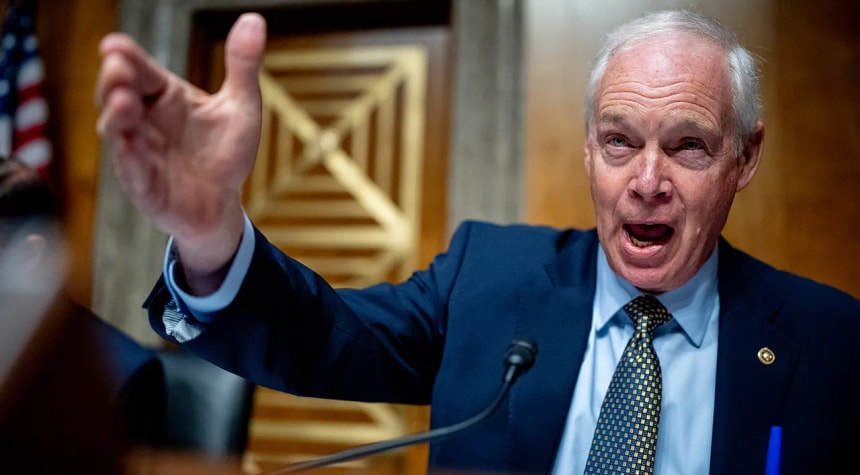
Senator John Thune of South Dakota, the current Senate Majority Leader, expects to seek another term leading the Republican conference. But a faction of conservative senators, led by Wisconsin’s Ron Johnson, is pumping the brakes on leadership elections scheduled for Tuesday morning. Their reasoning is sound: you do not simply proceed with business as usual after a political catastrophe without first conducting a serious autopsy of what went wrong.
Johnson’s letter to conference chair Tom Cotton makes the case plainly. The elections should be postponed until leadership candidates explain their vision for a collaborative governing model and articulate a coherent strategy for countering an emboldened Democratic majority. This is not radical thinking. This is basic strategic planning.
The letter argues that conducting leadership elections without robust discussion about how candidates intend to lead constitutes political malpractice. Johnson secured the required five signatures from Senators Rick Scott of Florida, John Kennedy of Louisiana, Ted Budd of North Carolina, and Mike Lee of Utah. Lee stated the obvious on social media: digesting last week’s results and formulating plans must precede leadership elections. Anything else puts the cart before the horse.
Additional senators including David McCormick of Pennsylvania and Jim Banks of Indiana, while not signing Johnson’s letter, share the sentiment that rushing into leadership votes without reflection serves nobody’s interests. Banks emphasized the need for frank discussion about Republican shortcomings and what the party stands for moving forward.
Here is where the situation gets interesting. Republican leadership had already scheduled a meeting prior to these elections, and Thune maintains popularity among conference members precisely because he solicits feedback rather than dictating from above. This collaborative approach differentiates him from the heavy-handed leadership style that characterizes Democratic operations.
Whether this effort to delay leadership elections translates into actual changes to the power structure remains uncertain. Conservative voices outside the Senate have called for Thune to step aside, but within the conference, he remains well-liked and is expected to run unopposed. Potential challengers like Scott have already indicated they would not mount campaigns against him.
The underlying question is whether Senate Republicans learned anything from their electoral drubbing. Democrats did not win 54 seats through accident or luck. They won because they executed a superior political strategy while Republicans failed to present a compelling alternative vision to voters.
The senators pushing for delay are correct that leadership elections should not proceed as though nothing significant occurred last week. Political parties that refuse to conduct honest assessments after defeats are destined to repeat those defeats. The Republican conference needs to determine what went wrong, who bears responsibility, and how to rebuild before anointing leaders for the next two years.
The debate over timing may seem procedural, but it reflects a deeper struggle within the Republican Party about direction, accountability, and whether the existing leadership structure serves conservative principles or merely perpetuates institutional inertia. These are legitimate questions that deserve answers before Republicans select their leaders for what promises to be a challenging minority period.
Related: AOC’s Instagram Civics Class Reveals America’s Education Crisis and Her Own Blind Spots