
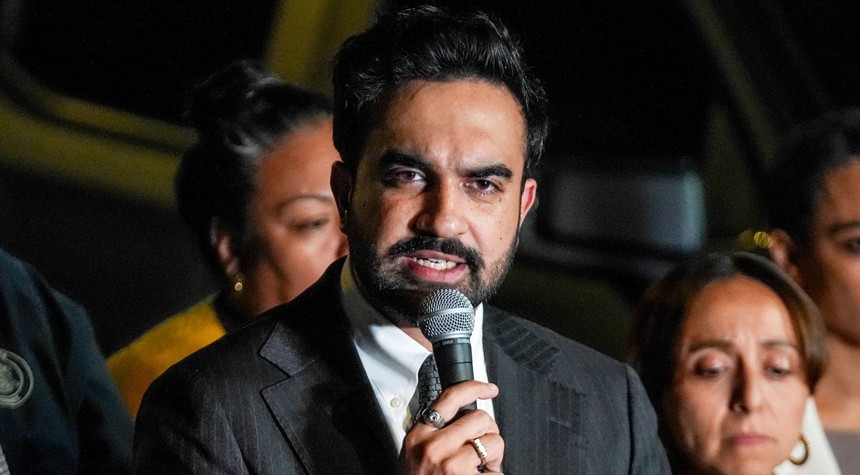
Zohran Mamdani just told the federal government to get off his lawn. Well, technically, his parking lots.
The New York City mayor fired off a letter Friday threatening legal action against the Trump administration after discovering Immigration and Customs Enforcement agents have been using city-owned parking lots to stage enforcement operations. No permission. No heads up. Just federal agents treating municipal property like their personal headquarters.
Here’s what really gets under Mamdani’s skin. ICE has reportedly been parking vehicles and holding meetings at several locations, including a lot at Van Cortlandt Park in the Bronx and spots near Flushing Meadows Corona Park in Queens. That second location? It sits right next to a city-run preschool and cultural institutions where hundreds of kids and families show up every day.
You can practically feel the mayor’s frustration in his letter to Homeland Security Secretary Markwayne Mullin and acting ICE Director David Venturella. He called the agency’s actions unauthorized and illegal, which in government speak means someone crossed a line they knew existed. Mamdani wrote that this “endangers City residents” and creates fear among people trying to access public spaces. The underlying message is clear: federal overreach isn’t just unwelcome, it’s unlawful.
The mayor didn’t mince words about what these parking lots are actually for. They’re reserved, he said, for New Yorkers and visitors who want to enjoy the parks. Period. Not for staging immigration raids. Not for federal operations. The whole situation raises an interesting question about jurisdiction and property rights. When does federal law enforcement authority end and municipal sovereignty begin?
This conflict isn’t happening in a vacuum. Last month, Mamdani and other New York Democratic leaders pushed private parking lot owners to ban ICE from their properties too. It’s part of a broader strategy to limit the agency’s operational footprint in the city. Whether you think that’s noble or naive depends entirely on where you stand on immigration enforcement.
But let’s be honest about what’s really at stake here. This isn’t just about parking spaces. It’s about control, authority, and the fundamental question of who gets to decide how public property serves the public. Mamdani believes ICE is commandeering city assets without regard for local priorities or the people who live there. The Trump administration likely sees this as necessary use of available resources to enforce federal immigration law.
Police Commissioner Jessica Tisch added fuel to the fire by stating the city doesn’t “coordinate” with ICE, which sounds diplomatic but actually signals a deliberate distance between local law enforcement and federal immigration agents. That separation matters in a sanctuary city where trust between immigrant communities and police can be fragile.
The mayor’s threat of legal action isn’t empty posturing. Cities have successfully challenged federal overreach before, though the outcomes vary wildly depending on the judge and jurisdiction. New York has deep pockets and experienced lawyers who know how to work the court system. If this escalates, it could drag on for months or even years.
What bothers me most about this whole mess is the lack of basic coordination. Federal agents using public property for sensitive operations near schools without notifying city officials demonstrates either stunning incompetence or deliberate disregard. Neither option inspires confidence. Government works best when different levels actually talk to each other instead of playing territorial games with taxpayer resources.
Mamdani closed his letter by emphasizing New York’s commitment to its immigrant communities and their ability to navigate the city “without fear.” That phrase carries weight in a place where millions of residents either immigrated themselves or come from immigrant families. Fear changes behavior. It keeps people from reporting crimes, accessing services, or just living normally.
The Department of Homeland Security hasn’t commented yet, which probably means lawyers are reviewing options and crafting careful responses. This standoff will likely intensify before it resolves. Both sides have dug in, and neither appears interested in backing down.
Related: The $100 Billion Story Democrats Don’t Want You Hearing About Main Street America