
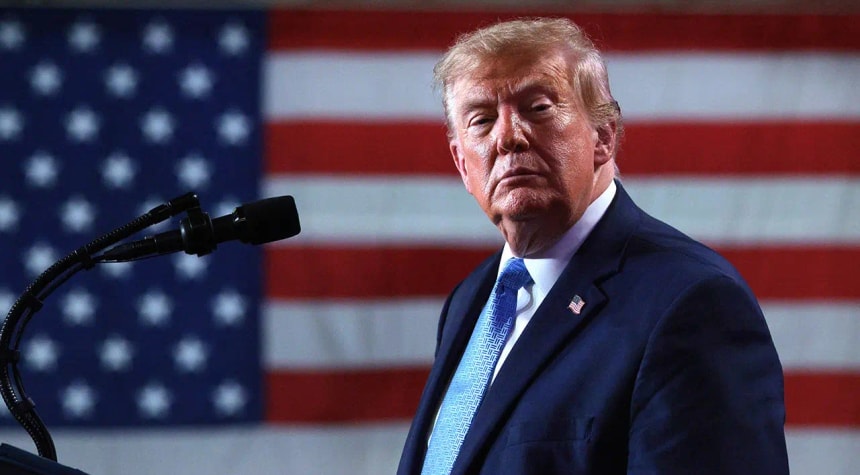
President Donald Trump indicated he may refrain from endorsing a candidate in the 2028 Republican presidential primary, a strategic decision that could reshape the entire race. When asked directly whether he would back a specific candidate, Trump responded with characteristic deliberation, stating he may or may not involve himself in the selection process. This represents a significant departure from typical presidential behavior, where outgoing executives often attempt to anoint their successors.
The decision comes at a crucial moment for the Republican Party. Following last week’s devastating midterm elections, where Republicans lost control of both chambers of Congress, the party faces serious questions about its direction and messaging. Trump has consistently praised what he calls the GOP’s "great bench" of talent, and recent events have only reinforced his assessment that multiple qualified candidates exist to carry forward conservative principles.
The facts are straightforward. Vice President JD Vance, Senator Ted Cruz, and Governor Ron DeSantis all launched into post-election analysis within hours of the midterm results, each diagnosing the party’s failures and implicitly positioning themselves as potential solutions. This immediate pivot to 2028 demonstrates both the urgency Republicans feel about course correction and the competitive nature of the upcoming primary.
Vance remains the nominal frontrunner, holding advantages in early polling, fundraising infrastructure through his role as RNC finance chair, and the natural platform of the vice presidency. His lengthy post-election statement on social media blamed the Iran conflict for Republican losses, a pointed argument that attempts to separate Trump-era foreign policy decisions from broader conservative governance. This distinction matters because it signals Vance’s understanding that he cannot simply inherit the nomination without differentiating himself from the administration’s perceived missteps.
Secretary of State Marco Rubio presents an interesting case study in strategic ambiguity. Despite rising poll numbers and persistent speculation, Rubio has repeatedly dismissed 2028 talk, even going so far as to call reporter questions on the subject a waste of time. This deflection could represent genuine disinterest or calculated positioning to avoid appearing overly ambitious. Rubio’s stated willingness to back Vance complicates matters further, though such early commitments rarely survive actual campaign pressures.
Cruz, meanwhile, has adopted the most direct approach. His characterization of the midterms as a "blue tsunami" and "Watergate-level repudiation" demonstrates both brutal honesty and campaign-style messaging. Cruz correctly identified that Republicans lost touch with voters, particularly in his home state of Texas. His massive podcast audience provides a ready-made grassroots network that bypasses traditional media gatekeepers, a significant structural advantage in modern Republican primaries.
DeSantis finds himself in perhaps the most complicated position. After losing decisively to Trump in 2024, the Florida governor must rehabilitate his political brand while avoiding the appearance of disloyalty. His post-election comments highlighting Florida’s relative success amid national Republican failures represent smart positioning, though his vehement denial of 2028 planning seems implausible given basic political reality.
The broader question facing Republicans transcends individual candidates. The party must determine whether doubling down on Trump-era policies represents the path forward or whether course correction is necessary. The midterm results suggest voters delivered a clear verdict, but interpreting that message will define the primary debate.
Trump’s potential neutrality could prove either liberating or destabilizing for the party. Without his endorsement steering the race, Republicans might engage in genuine policy debates rather than loyalty tests. Alternatively, the absence of clear leadership could fracture the coalition that delivered Trump two terms.
What remains certain is that 2028 campaigning has already begun in earnest, and the competition will be fierce.
Related: Republicans Pick Jim Jordan to Lead After Midterm Disaster