
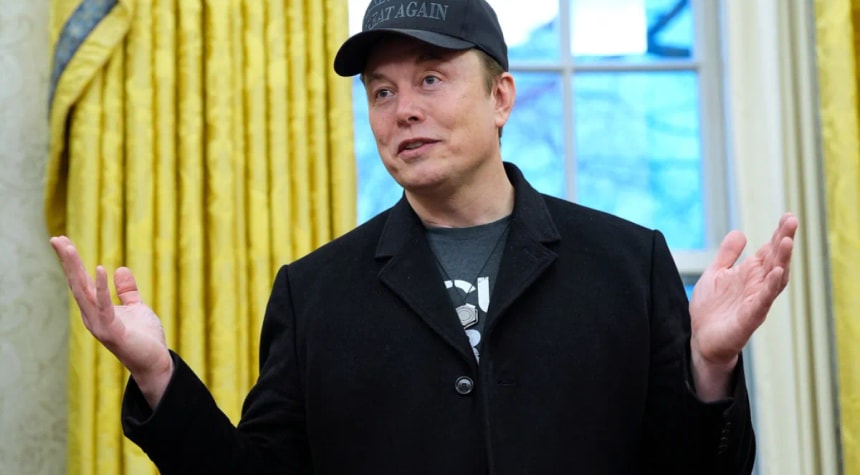
Here’s what happens when a billionaire mistakes politics for another product launch. Elon Musk just told the New York Times he’s "not MAGA" and doesn’t even know what the slogan means. This is the same guy who wore a black MAGA cap at rallies and pumped nearly half a billion dollars into Republican campaigns. Now he’s got buyer’s remorse, and honestly, the feeling’s mutual.
Trump’s response was measured but pointed. Speaking by phone Thursday, the president called Musk a friend but made something crystal clear. "MAGA, to me, means something very specific, and when people veer from it, they don’t do very well." That’s not just a warning shot. That’s Trump reminding everyone that conservative principles aren’t a costume you wear when it’s convenient.
The numbers tell a brutal story. Musk spent somewhere between 442 and 474 million dollars on Republicans during the midterms. That’s not campaign contribution money. That’s buying a small country money. And what did it get him? Democrats overperformed across the board. Republicans lost ground in the House, the Senate, and governor’s mansions. Musk’s conclusion wasn’t that maybe Republicans needed better messaging or stronger candidates. No, his takeaway was that he felt "pretty foolish" for spending the money at all.
You know what that reveals? Musk approached conservatism like a venture capital investment. Put money in, expect returns, cash out if the metrics disappoint. But here’s the thing about movements built on principle rather than profit margins. They don’t respond well to fairweather billionaires treating them like beta tests.
The real kicker came when Musk explained what MAGA means to him. "If that means a sort of blind adherence to a set of policies by the Republican Party, then I certainly don’t have that." Blind adherence. That’s how he characterizes loyalty to conservative values. As if believing in limited government, individual liberty, and American sovereignty requires some kind of intellectual surrender. The arrogance is breathtaking.
This matters beyond one man’s political identity crisis. Musk represents a type we’ve seen before in conservative circles. The guy who shows up when it’s trendy, throws money around, gets treated like a hero, then vanishes the moment things get difficult. These people don’t strengthen movements. They weaken them. They create the impression that our principles are negotiable, that MAGA is just branding rather than a genuine return to what made America exceptional.
Trump knows this, which is why his response carried that edge. He welcomed Musk on the delegation to China, sure. The president was diplomatic about it. But he also made clear that MAGA isn’t some vague concept open to personal interpretation. It’s a specific set of values, and people who abandon those values pay a price.
The timing couldn’t be worse for Republicans who need coalition building right now. We’re heading into another election cycle where every vote counts, where enthusiasm matters, where the base needs reasons to believe their leaders mean what they say. Then here comes Musk admitting he never really understood what he was supporting and wishes he’d spent his money elsewhere. That’s not introspection. That’s betrayal dressed up as honesty.
What Musk doesn’t grasp is that conservative voters aren’t widgets in a production line. They’re Americans who’ve watched their values mocked, their livelihoods threatened, and their country transformed by people who think they know better. MAGA emerged as a response to that contempt. It means putting American workers before global corporations. It means enforcing borders and respecting citizenship. It means rejecting the condescension of elites who lecture ordinary people about how to live.
Musk said American elections aren’t just about money, as if that’s some profound discovery. Of course they’re not. They’re about conviction. They’re about whether candidates actually believe what they’re selling. Republicans lost races because too many of them campaigned like Democrats with better tax policies. They lost because voters couldn’t tell the difference between their promises and their opponents’ platforms.
The businessman who disrupted the auto industry and privatized space travel apparently can’t disrupt his own assumptions about how politics works. He thought money equaled influence. He thought showing up at rallies equaled understanding. He thought wearing the hat made you part of the team.
Trump’s traveling back from China with Musk on the plane. That diplomatic inclusion shows the president’s pragmatism. Keep your friends close, keep your skeptical billionaires closer. But don’t mistake proximity for alignment. Trump built a movement that survived impeachments, investigations, and a media establishment dedicated to destroying it. That movement doesn’t need Elon Musk’s approval or his checkbook.
Conservatives should take this moment as a teaching opportunity. The next time some celebrity or mogul wants to adopt MAGA as their personal brand, ask questions. What do they actually believe? Can they articulate why limited government matters? Do they understand why American sovereignty isn’t negotiable? Or are they just tourists passing through on their way to the next trend?
Musk’s public rejection of MAGA after investing so heavily in it doesn’t prove the movement’s weakness. It proves his. Real conservatives don’t need to understand every policy detail to know what America should be. They feel it. They’ve lived it. They’ve watched it slip away and want it back. That’s not blind adherence. That’s love of country. There’s a difference, and apparently half a billion dollars can’t teach it.
Related: Medea Benjamin’s $54 Million Foundation Back in Business After Years of Missed Filings