
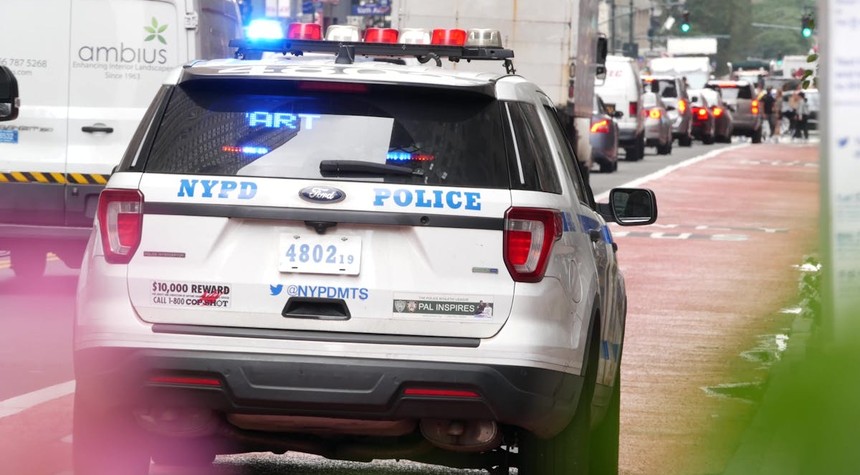
New York City officials are taking a victory lap on crime. The numbers, they say, prove everything’s getting better. Crime is down across the board, according to the NYPD’s cheerful press releases. The mayor’s office can’t stop talking about it. You’d think Gotham had transformed into some kind of urban paradise where everyone skips to work whistling show tunes.
Here’s the problem. Walk around Manhattan at night and ask yourself if you feel safer than you did three years ago. Talk to the subway commuters who’ve watched mentally ill homeless people terrorize entire train cars while everyone pretends not to notice. Check in with small business owners who’ve been robbed multiple times but stopped calling the cops because nothing happens anyway. The statistics might say one thing, but reality whispers something entirely different in your ear.
This disconnect isn’t accidental. New York City doesn’t make it easy for regular people to understand what’s actually happening with crime data. The reporting methods are opaque. The categories shift. The context gets buried under layers of bureaucratic jargon that would make even a seasoned analyst’s eyes glaze over. When government makes transparency this difficult, you’ve got to wonder what they’re hiding.
The truth is more complicated than either side wants to admit, and that’s precisely why it matters. Yes, certain categories of crime have declined from their post-pandemic peaks. That’s real and worth acknowledging. But here’s what the victory lap conveniently ignores: we’re comparing current numbers to an absolutely disastrous baseline. Saying crime is down from 2022 is like bragging that your house is only half flooded instead of completely underwater. Congratulations, I guess?
What really grinds my gears is how this plays out in the broader conversation about law and order. Progressive prosecutors spent years experimenting with criminal justice reform, treating career criminals like misunderstood victims of systemic oppression. They decriminalized theft, eliminated bail for serious offenses, and generally sent the message that consequences were optional. Now they want credit for modest improvements from the chaos they created.
The average New Yorker isn’t stupid. They know when they’re being sold a bill of goods. They see the shoplifting that’s become so routine that stores lock up toothpaste behind plastic cases. They watch prosecutors let violent offenders walk free only to reoffend within weeks. They read about subway shovings and random assaults that never would’ve happened when the city took public safety seriously.
This matters beyond New York’s borders too. What happens in America’s largest city tends to ripple outward, influencing policy debates from Los Angeles to Chicago to Philadelphia. When Democratic leadership claims victory on crime while residents feel less safe, it creates a credibility gap that affects how voters nationwide think about public safety and governance.
The fundamental issue here isn’t really about statistics at all. It’s about priorities. Do we prioritize the feelings of criminals or the safety of law-abiding citizens? Do we believe in accountability or endless second chances for people who’ve proven they’re threats to society? These aren’t complicated questions, but somehow our political class keeps getting the answers wrong.
New York City could be genuinely safer. The ingredients are all there: good cops who want to do their jobs, prosecutors who could actually prosecute, judges who could impose real sentences. What’s missing is the political will to admit that progressive experiments failed and course-correct accordingly. Until that happens, expect more victory laps over numbers that don’t match what people experience every single day on the streets they’re supposedly protecting.
Related: White House Fires Back at Bogus Story About ICE Chief’s Hospital Visits