
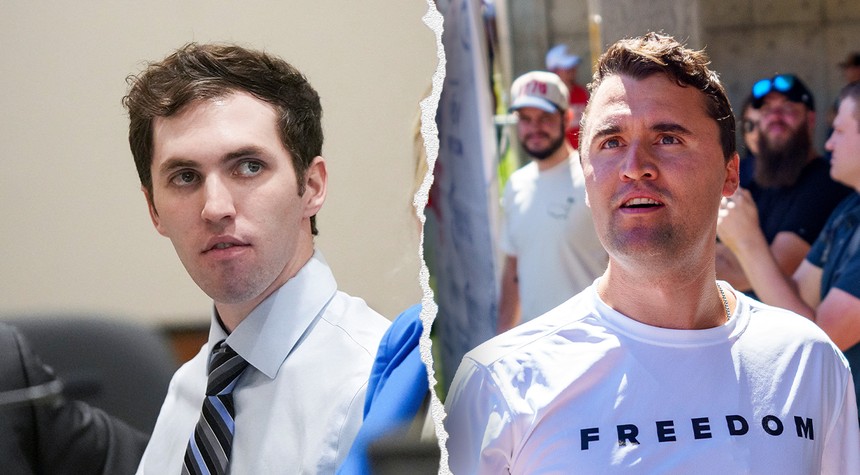
The unsealing of federal ballistics evidence in the Charlie Kirk murder case tells you everything you need to know about the difference between CSI television and actual criminal justice. It’s messy. It’s incomplete. And yet it still points in one damning direction.
Judge Tony Graf in Provo, Utah just made public an ATF report that couldn’t definitively match bullet fragments to the suspected murder weapon used to kill Turning Point USA founder Charlie Kirk. Before you start thinking this creates reasonable doubt, hold on. The spent casing matched. The DNA on the gun matched Tyler Robinson. His fingerprints were there. And prosecutors say he left behind what amounts to a confession note to his partner before attempting to gun down one of America’s most prominent conservative voices at a college speaking event.
This is where forensic science meets the brutal physics of reality. Two law enforcement sources explained something that defense attorneys will surely exploit but that anyone with common sense can understand. When that bullet hit Kirk’s body, it struck bone and shattered on impact. The fragments that remained were too deformed and damaged for conclusive matching. This happens all the time in violent crimes, but juries watching procedural dramas expect neat answers wrapped up in 42 minutes.
The ATF report itself uses careful language that sounds worse than it actually is. An “inconclusive” finding simply means there wasn’t enough quality material left to make a definitive call. It doesn’t mean the bullet didn’t come from that rifle. It means the evidence got destroyed doing exactly what it was designed to do.
Robinson’s defense team filed a motion under seal back in January asking Graf to stop any further government testing until their own expert could examine and photograph everything. You can almost feel the desperation in that request. They know what’s coming. The physical evidence creates a web that’s hard to escape, even if one strand frayed when metal met bone at lethal velocity.
What strikes me about this case is how it represents something larger than forensics and legal maneuvering. Charlie Kirk built a movement around empowering young conservatives to speak freely on hostile college campuses. He showed up at Utah Valley University to do exactly that, and someone allegedly decided the answer was violence. Not debate. Not protest. Murder.
The DNA evidence prosecutors referenced tells its own story. It was found on the gun, on a towel, and on three of the four rounds loaded inside. That’s not circumstantial anymore. That’s Tyler Robinson’s genetic signature all over the weapon and ammunition.
Graf ruled there was no basis to keep the defense filing classified because it contained no private or inflammatory information. Good. The public deserves transparency in a case this significant. When political violence targets Americans exercising their First Amendment rights, sunlight matters more than courtroom gamesmanship.
Defense attorneys will do their job and pick apart every inconclusive finding. That’s how the system works, and honestly, that’s how it should work. But let’s not pretend a damaged bullet fragment creates reasonable doubt when you’ve got DNA, fingerprints, shell casings, and an apparent confession letter all pointing at the same person.
The real tragedy here isn’t just the loss of Charlie Kirk. It’s what his murder represents about the state of political discourse in America. We’ve reached a point where some people think assassination is an acceptable response to ideas they dislike. That should terrify everyone, regardless of political affiliation.
This case will move forward with or without perfect ballistics. The evidence doesn’t need to be perfect. It just needs to be convincing beyond reasonable doubt. And right now, Tyler Robinson’s defense team is staring down a mountain of physical proof that no amount of legal maneuvering can make disappear.
Related: Tom Steyer wants to jail ICE agents while profiting from the prisons that hold immigrants