
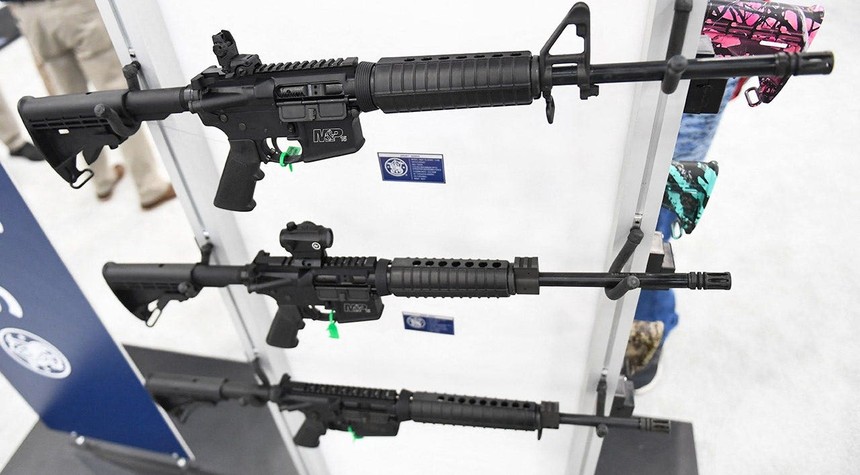
The Seventh Circuit Court of Appeals just handed down a decision that should worry anyone who takes the Second Amendment seriously. On Thursday, a three-judge panel upheld Illinois’ sweeping ban on semiautomatic firearms, reversing a lower court that had the good sense to call the law what it is: unconstitutional.
This isn’t some minor regulatory tweak we’re talking about. The Illinois law criminalizes the manufacture, sale, delivery, purchase, and possession of what the state calls assault weapons and large-capacity magazines. There’s a grandfather clause, sure, allowing people who already owned these firearms to keep them. But that’s cold comfort when you’re telling law-abiding citizens that the guns they could legally buy last year are now forbidden fruit.
The district court got it right the first time. Then the Seventh Circuit stepped in and decided that one of our most fundamental constitutional rights deserves less protection than, say, the right to burn a flag or post whatever nonsense you want on social media. You know what’s remarkable about this? The same legal system that bends over backward to protect every other right in the Bill of Rights suddenly discovers all kinds of reasons why the Second Amendment needs asterisks and exceptions.
Let’s be clear about what these laws actually accomplish. They don’t keep guns out of the hands of criminals. They never have and they never will. What they do is create a patchwork of regulations that turn ordinary citizens into potential felons for exercising a constitutional right. The grandfather clause is particularly telling because it admits the quiet part out loud: these firearms aren’t actually too dangerous to exist. They’re just too dangerous for you, the regular person, to buy new.
The timing here matters too. The Civil Rights Division of the DOJ has been busy filing lawsuits against California and Virginia over their gun restrictions, which suggests even the federal government recognizes that some states have gone too far. But Illinois apparently gets a pass from the Seventh Circuit, despite implementing restrictions that are arguably more severe.
This is where the conservative principle of limited government becomes more than just talking points. When courts start carving out exceptions to constitutional rights based on what they think is reasonable or necessary, we’ve already lost the plot. The Second Amendment doesn’t say “the right of the people to keep and bear arms shall not be infringed, except for guns that look scary to suburban voters.” It says shall not be infringed. Period.
The appeals court decision treats the Constitution like a suggestion rather than the supreme law of the land. And that’s the real danger here. Once you establish that fundamental rights can be restricted based on legislative whims and judicial handwaving, you’ve opened the door to restricting all rights. Free speech becomes hate speech regulations. Religious liberty becomes discrimination. Property rights become social obligations.
Illinois residents who want to purchase these firearms for self-defense, sport shooting, or simply because they’re free Americans are now out of luck unless this decision gets reversed. The Supreme Court needs to step in and remind lower courts that constitutional rights aren’t subject to popular vote or judicial preference. Until that happens, expect more states to follow Illinois’ lead, and expect more courts to rubber-stamp these restrictions while pretending they’re upholding the Constitution.