Here are the facts about Hollywood contracts that should infuriate anyone who believes in fair compensation for work performed. Todd Barbee voiced Charlie Brown in the 1973 classic "A Charlie Brown Thanksgiving" at age 10, and despite that special becoming a beloved holiday tradition broadcast to millions for decades, he received exactly zero dollars in residuals until approximately six years ago. Let that sink in.
The reason? A contractual loophole that exploited child actors through what the industry called "buyout" agreements. These contracts, which Screen Actors Guild and the American Federation of Television and Radio Artists eventually banned in the 1980s, allowed production companies to pay actors once and then profit indefinitely from their work without any additional compensation. This arrangement was fundamentally unjust, which is precisely why the unions eventually prohibited it.
Barbee’s initial payment was described as "pretty handsome" in 1970 dollars. He used that money to help his mother purchase a home after his parents divorced, a home she still lives in today. That demonstrates both the character of young Barbee and the significance of that single payment, because it would be the only compensation he would see for his work for approximately 44 years.
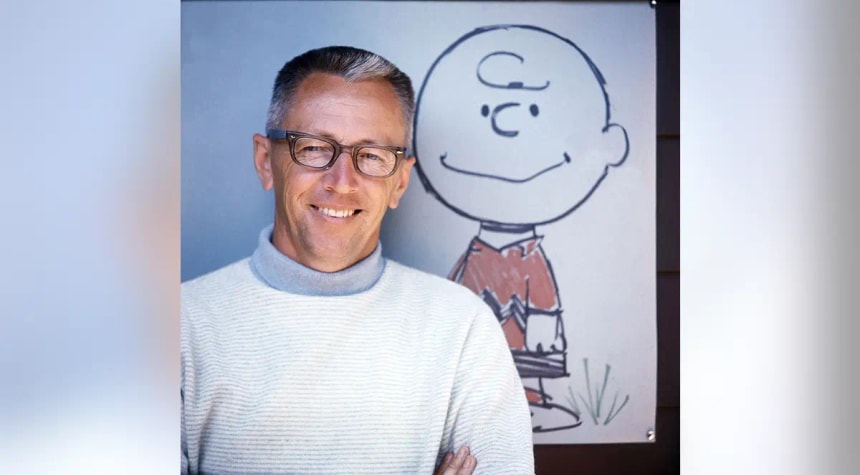
The Peanuts franchise became a cultural juggernaut. Charles Schulz’s comic strip ran in more than 2,600 newspapers across 75 countries, reaching millions of readers. The television specials became annual traditions that generations of American families gathered to watch together. The value created by these properties is immeasurable, yet the child actors who brought these characters to life received nothing beyond their initial buyout payments.
The situation only changed when Apple TV acquired exclusive rights to the entire Peanuts catalog in 2020. During subsequent union negotiations related to streaming rights and the writers’ strike that occurred around that time, Screen Actors Guild made a logical and legally sound argument. The original contracts covered broadcast television, not streaming services. Apple TV represented an entirely different distribution model, and therefore the old buyout contracts did not apply to this new medium.
This reasoning forced Apple and Peanuts Worldwide to pay current residuals to the voice actors. Barbee now receives annual residual checks, which he describes as "not giant amounts of money" but "significant" enough that he looks forward to them each year. This is progress, but it took half a century and a complete transformation of the media landscape to achieve basic fairness.
The Peanuts production team insisted on using actual children rather than adults imitating young voices, which created authentic performances but also meant rapid turnover. Every young actor received what Barbee called a "Dear John letter" the moment puberty changed their voice. This business model prioritized artistic authenticity while simultaneously exploiting the legal vulnerability of child performers through buyout contracts.
After his brief acting career ended predictably with adolescence, Barbee built a successful career in graphic, commercial, and site design in the San Francisco Bay Area. For decades, he rarely discussed his Peanuts connection publicly, sharing it only with close friends. Today, he receives fan mail regularly and expresses gratitude that his childhood work continues bringing joy to families.
The broader point here is that Hollywood has a documented history of exploiting performers, particularly child actors who lack the legal sophistication and negotiating power to protect their interests. Buyout contracts represented legalized theft of future earnings. While unions eventually corrected this injustice for future contracts, it took technological disruption and aggressive union negotiations to secure even modest compensation for past work. This case demonstrates both the necessity of reasonable labor protections and the reality that justice delayed is justice denied.
Related: President Calls for Immediate Removal of Unemployed Somalis Receiving Federal Benefits