
The New York Times reported that President Donald Trump has stopped Israel’s plans to strike Iranian nuclear sites in May, and instead, has opened negotiations with Tehran about its nuclear program.
After months of internal debate, the U.S. decided to support Israel’s plan to delay Iran’s progress in nuclear technology by at least one year. Israeli officials developed detailed proposals, but many would have required American participation, including the use of U.S. planes and defenses, to ensure success and shield Israel from retaliation.
Some U.S. officials expressed openness to supporting Israel militarily. These included Gen. Michael E. Kurilla, the national security advisor Michael Waltz, and others.
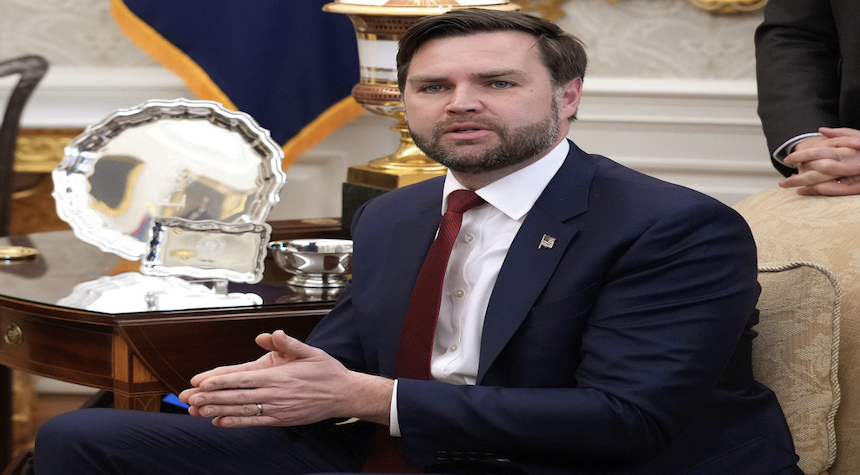
Tulsi Gabriel, Director of National Intelligence, warned that the U.S. military buildup might escalate into a wider war. Susie Wiles is the chief of staff at the White House. Pete Hegseth is the Defense Secretary. Vice President J.D. Vance expressed doubts as well.
Trump’s administration had already deployed significant military assets in the region, including B-2 bombers, B-2 missile defense systems, and two aircraft carriers. Officials acknowledged that the deployments, while partially intended to combat Iran-backed Houthi terrorists in Yemen and other potential targets such as Iran, were also applicable for possible action.
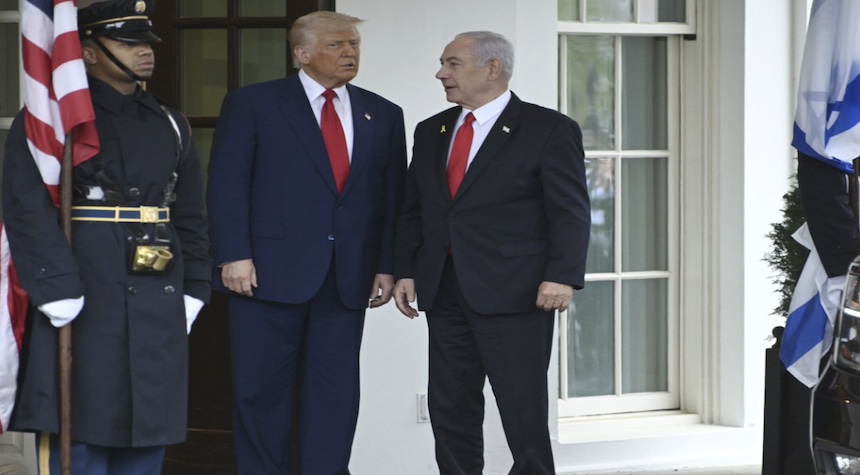
Trump announced his decision to Benjamin Netanyahu, Israeli Prime Minister, at a White House Meeting on April 7th. He also used the occasion to announce the beginning of U.S.-Iran talks.
Netanyahu stated in a Hebrew language statement that an agreement with Iran could only work if the signatories were allowed to “go in, destroy the facilities and dismantle the equipment under American supervision, with American execution.”
Israeli officials had changed their plan from a short-term raid that would not have been ready until October to a bombing campaign that could have begun in May. Israeli officials hoped that U.S. assistance would allow them to move faster.

Trump sent a message to Iran in March offering direct negotiations. Iranian officials, after initially rebuffing indirect talks on March 28, responded positively. The opening allowed Trump to test diplomacy and delay military action, even though he still maintained the option of force.
Trump stated, “If we need military force, then we will have it.” “Israel is going to be at the forefront of this.”
Trump sent CIA Director John Ratcliffe, along with David Barnea of Israel’s Mossad national intelligence agency, to Jerusalem to discuss covert options, enhanced sanctions, and other issues.
Brian Hughes, spokesman for the National Security Council, said, “President Trump was clear: Iran can’t have a nuke weapon and all options are still on the table. The President has authorized both direct and indirect talks with Iran to make this clear. He’s made it clear that this can’t continue indefinitely.”
Brig. Gen. Mohammad Bagheri, head of Iran’s military, stated on April 6 that Iran seeks to resolve its standoff with the United States through diplomacy, but any attack on Iran’s sovereignty would be met with a strong response.