

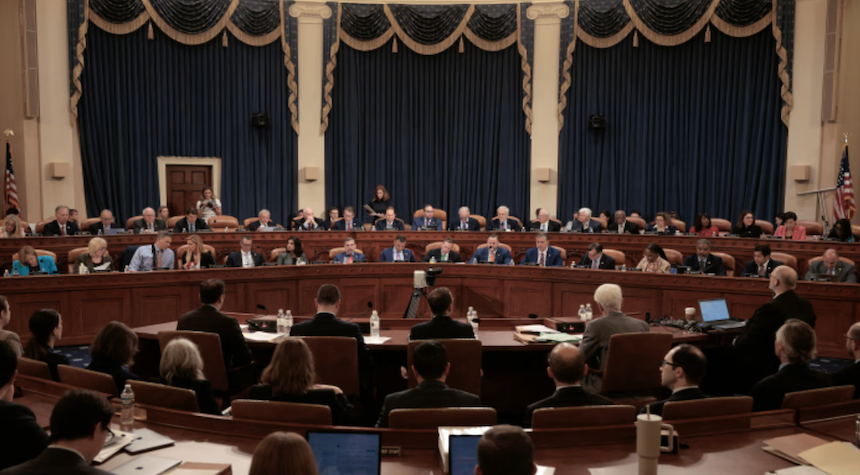
Republicans have successfully advanced their substantial tax cut and border security package through a key House committee during an unusual Sunday night vote. This reversal of fortunes comes after deficit hawks, who previously blocked the measure, secured commitments on the package’s spending cuts.
Speaker Mike Johnson, in discussions with Republican lawmakers before the meeting, downplayed the alterations to the bill as ‘just some minor modifications.’ However, Democrats on the committee pressed for more details about these adjustments, which had been agreed to during private negotiations.
The first attempt to advance the bill through the House Budget Committee was unsuccessful, as deficit hawks joined Democrat lawmakers in opposing the measure. Notably, five Republicans voted against the measure, with four voicing concerns about the bill’s impact on federal budget deficits.
To understand this fully, we should note that on Sunday evening, the four representatives who had previously expressed concerns about the deficit instead voted present, leading to the measure’s passage by a narrow margin of 17-16.

Turning now to the broader implications, Johnson plans to move the bill to the House floor before the end of the week. He stated on Fox News Sunday, “This is the vehicle through which we will deliver on the mandate that the American people gave us in the last election.”
“The Republicans who criticized the measure pointed out that the bill’s new spending and tax cuts are front-loaded, while the measures to offset the cost are back-loaded. This raises important questions about the long-term viability of the bill, with some critics stating, ‘We are writing checks we cannot cash, and our children are going to pay the price.'”
This development follows earlier reports that President Donald Trump had urged Republicans to unite behind the bill, with a social media post stating, ‘We don’t need ‘GRANDSTANDERS’ in the Republican Party. STOP TALKING, AND GET IT DONE!’
The significance of this should not be overlooked. The sprawling package at the heart of this debate permanently extends the existing income tax cuts from Trump’s first term and proposes significant increases in spending for border security and defense. According to the Committee for a Responsible Federal Budget, the House bill could add approximately $3.3 trillion to the debt over the next decade.
Meanwhile, Democrats are largely opposed to the measure, which Republicans have dubbed ‘The One Big, Beautiful Bill Act.’ These opponents have criticized it as a ‘betrayal,’ with concerns centering around its impact on working men and women.
In addition to addressing the concerns of deficit hawks, Johnson is also facing pressure from centrists wary of the proposed changes to Medicaid, food assistance programs, and the rollback of clean energy tax credits. Reports indicate that Republican lawmakers from New York and elsewhere are also demanding a larger state and local tax deduction.
If the bill passes the House this week, it will then move to the Senate, where Republican lawmakers are also considering changes that could complicate its final passage in the House. Speaker Johnson has expressed hope that the Senate won’t make many modifications to the delicately balanced package.