The House of Representatives passed a short-term spending bill on Friday, extending government funding for seven weeks and working to avert a partial government shutdown slated for Oct. 1. However, the facts, as we now know them, suggest that the path to approval in the Senate appears uncertain, with neither party showing signs of compromise on the issue.
The proposed legislation, which garnered 217 votes for and 212 against, would maintain current funding levels through Nov. 21. The bill now faces opposition from Democratic leaders, who threaten a government shutdown should Republicans reject their input. Some Democratic support will be crucial for the bill to reach President Donald Trump’s desk for signing.
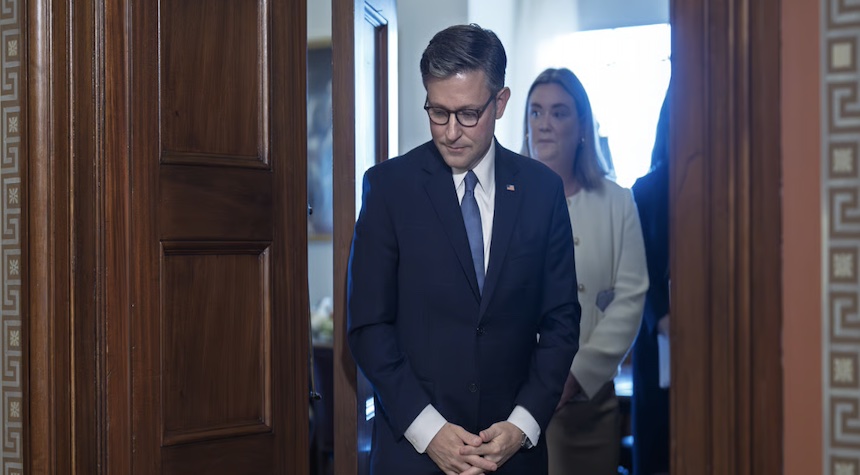
House Speaker Mike Johnson of Louisiana faced a delicate balance as he rallied his Republican peers to support the short-term funding patch, a measure historically contested within his own party. This time around, however, Republican members see an opportunity to cast Democrats as the catalyst for a potential shutdown.
Reports indicate that President Trump has weighed in on the matter, urging House Republicans to pass the bill and thus place the onus on Democrats should they reject it. GOP leaders frequently rely on Trump’s influence to sway indecisive votes on key legislation.
You May Also Like: DC Rocked as Arrestees Face Explosive Federal Benefit Fraud Probe
Heading to the Senate, Majority Leader John Thune, R-S.D., confirmed plans for a vote on both the bill and a conflicting Democratic proposal. However, neither is expected to secure the requisite 60 votes for advancement. The Senate may adjourn until Sept. 29, just one day shy of the shutdown deadline, due to the Jewish New Year, Rosh Hashanah.
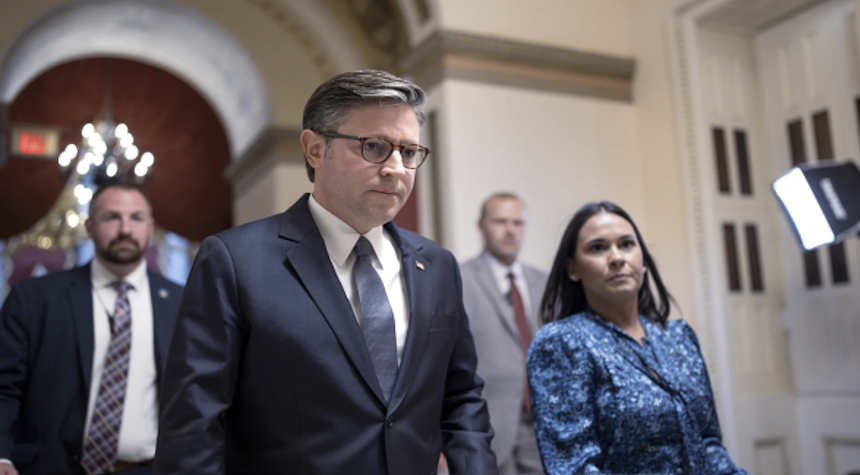
The Democratic counter-proposal seeks to extend health insurance subsidies set to conclude at year’s end, and to reverse Medicaid cuts contained in the Republicans’ earlier tax breaks and spending cuts bill.
Senate Democratic Leader Chuck Schumer of New York has issued threats of a shutdown if the healthcare issue remains unaddressed. Meanwhile, Democrats watch Schumer closely, with memories of his last-minute decision in March to side with Republicans to keep the government open still fresh.
Tensions persist within the Democratic Party, but both leaders assert their unity. Schumer argues that the public’s wariness of Trump and the Republicans has grown since the implementation of Medicaid cuts.
While the Democrats’ funding bill seems unlikely to pass, it provides them an opportunity to demonstrate their commitment to reducing healthcare costs. This raises important questions about the potential political fallout from a government shutdown and the critical role of healthcare in these discussions.
Republicans maintain that if they fail to pass the bill, the fault lies with the Democrats, invoking Schumer’s past arguments against shutdowns.