
A controversy has erupted involving the Federal Communications Commission, ABC television, and late-night host Jimmy Kimmel. At the center of this dispute are questions about the limits of government oversight and the protection of free speech in the broadcasting industry.
FCC Commissioner Brendan Carr publicly cautioned ABC about its “obligations” following comments made by Kimmel regarding the assassination of a conservative leader. Carr’s statements, which some have interpreted as a threat to ABC’s broadcasting license, have drawn criticism from unexpected quarters.
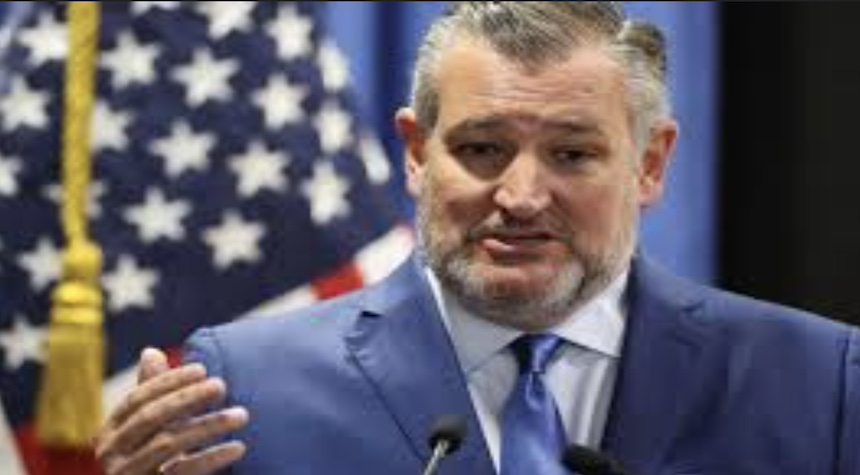
Senator Ted Cruz of Texas, a Republican and chairman of the Senate Commerce Committee overseeing the FCC, has expressed concern over Carr’s approach. The Senator, while disagreeing with Kimmel’s statements, warns that such governmental pressure on media outlets could set a dangerous precedent.
You May Also Like: Crisis Delayed? House Moves to Stop Shutdown, Senate Pushback Threatens
Kimmel’s monologue, which aired on Monday, included comments about the political reaction to a recent assassination. Two days later, Commissioner Carr appeared on a podcast, where he suggested the FCC might take action if broadcasters did not “change conduct.” Shortly after, ABC announced an indefinite suspension of Kimmel’s program.
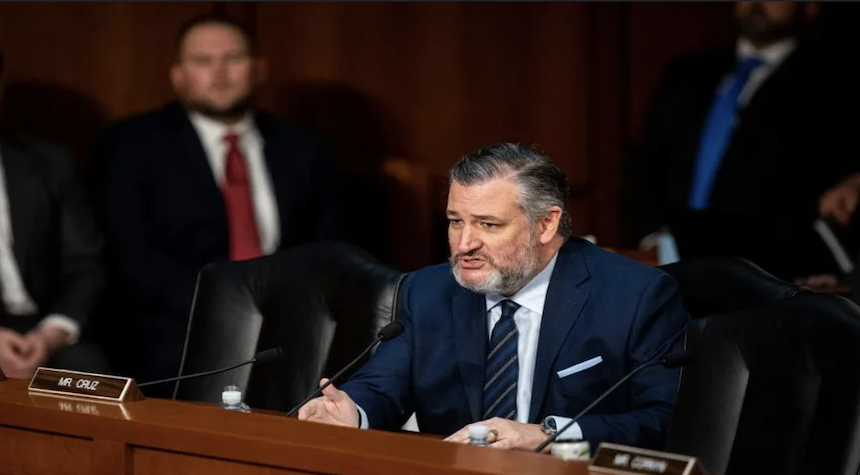
Senator Cruz argues that while Kimmel’s statements were inaccurate, the use of regulatory power to influence media content could ultimately harm conservative voices if wielded by a future administration of differing political leanings.
This situation raises important questions about the balance between government oversight and press freedom. It also highlights the ongoing debate over the role of late-night comedy in political discourse and the responsibilities of broadcasters in presenting controversial content.
As this story continues to develop, it will be crucial to monitor how media companies, regulatory bodies, and lawmakers navigate these complex issues. The outcome may have lasting implications for the relationship between government and media in our democratic system.