
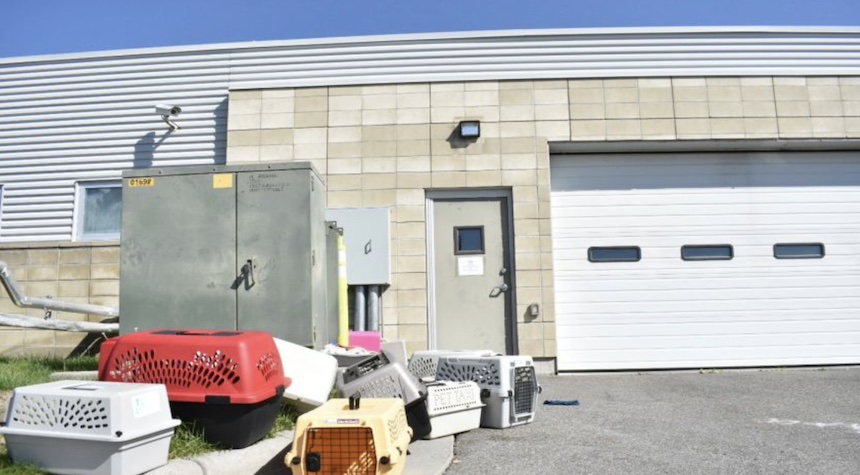
In Billings, Montana, a routine incineration of seized narcotics at a local animal shelter led to an unforeseen incident, causing the hospitalization of animal shelter workers, the evacuation of the animals, and the temporary closure of the shelter.
This incident transpired on Wednesday during the incineration of two pounds of methamphetamine, confiscated by the FBI. The smoke from this burn filled the shelter, reportedly due to a negative pressure issue that drew the smoke back into the building rather than allowing it to exit. A fan, which should have been in place to manage such pressure issues, was not readily available, according to Billings Assistant City Administrator Kevin Iffland.
The shelter, which is primarily used to dispose of animal carcasses, is also utilized every few months by local law enforcement and the FBI to destroy seized narcotics. The significance of this should not be overlooked. This routine procedure turned hazardous when a total of fourteen workers from the nonprofit Yellowstone Valley Animal Shelter were compelled to evacuate the premises and seek immediate medical attention. The shelter’s 75 dogs and cats were relocated or placed in foster homes.
Also Check Out: After 2 Harrowing Years in Captivity, Elizabeth Tsurkov Finally Back in Israel
These workers learned of their exposure to methamphetamine smoke while at the hospital. They spent several hours in an oxygen chamber for treatment, and some continue to experience lingering symptoms. This raises important questions about the procedures and precautions in place for such drug incineration operations.

Furthermore, there is concern surrounding four litters of kittens that were more heavily exposed due to their confinement in a smoke-filled room. The health status of these kittens is being closely monitored.
Response from the FBI has been minimal, with agency spokesperson Sandra Barker referring further inquiries to Billings officials. The safety measures followed during such operations, such as maintaining the incinerator at a specific temperature to prevent toxin emission, are now under scrutiny. The evidence suggests there is an urgent need for a thorough review of these practices.
In the aftermath of this incident, the shelter has been temporarily closed pending contamination tests. Local Billings resident Jay Ettlemen expressed his anger toward the decision to conduct drug destructions within city limits, a sentiment that may well be shared by many members of the community.
The public’s right to information demands transparency and accountability in the face of such incidents. It is crucial to remember the importance of safety protocols when conducting operations involving hazardous substances. As the investigation progresses, we hope to learn more about the steps being taken to prevent such incidents in the future.