
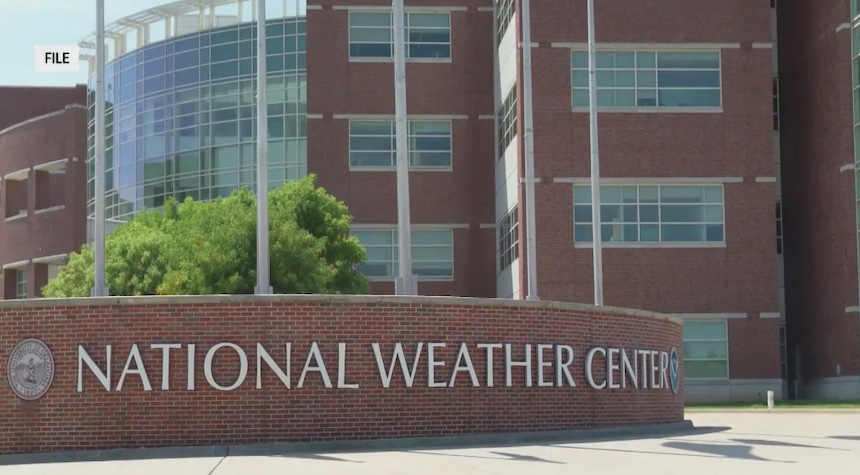
The Trump administration’s workforce reductions at the National Weather Service (NWS) are testing the agency’s resilience. This development follows earlier reports that approximately 600 positions have been eliminated over the past year, placing significant pressure on the remaining staff. According to reliable sources, this has forced some forecasters to rely on a “buddy system”, seeking assistance from other regions to cover shifts.
The Washington Post spoke to several current and former employees who expressed concern over the strain these reductions have placed on the agency, particularly as hurricane season begins in earnest in the Atlantic. “We have a strained and severely stretched situation,” reports Tom Fahy, legislative director for the National Weather Service Employees Organization. The evidence suggests that despite the commitment of the staff, there may be a breaking point looming.
Also Check Out: Controversy Sparks as Trump Orders Death Penalty for D.C.
The significance becomes clear when we consider the potential impact on weather monitoring and forecasting. It has been reported that two NWS locations, one in California’s Central Valley and another in western Kansas, are now understaffed to the point of being unable to operate 24 hours. Fahy added, “There are still a dozen offices across the country that are operating on reduced staff.”
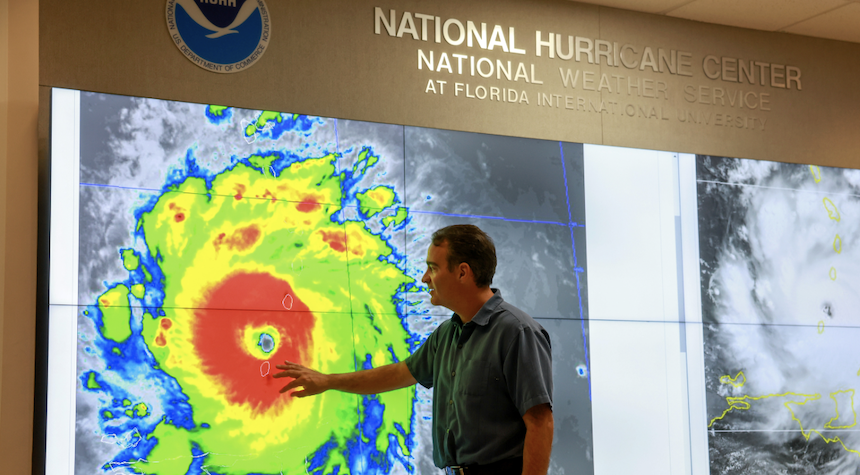
In February, the Commerce Department required the National Oceanic and Atmospheric Administration (NOAA) to cut its IT budget by 50%. The resulting cuts primarily affected cloud services and agency networks that transmit weather and climate information. Subsequently, the Trump administration announced staffing cuts to NOAA of nearly 1,000 jobs. According to reliable sources, experts in the field of weather forecasting have expressed dismay at these decisions, warning that they may lead to less accurate forecasting and potentially more dangerous storms.
This raises important questions about the NWS’s ability to sustain its forecasting efforts. John Sokich, a veteran of the Weather Service, fears that the agency will “run out of gas,” leading to missed forecasts. “They can’t sustain that level of effort for much longer. You just can’t sprint a mile,” Sokich warns.
The National Weather Service, a vital component of our nation’s infrastructure, is under strain due to significant staff reductions. The consequences of these cuts could impact the accuracy and effectiveness of weather forecasting, a service upon which many Americans rely.