
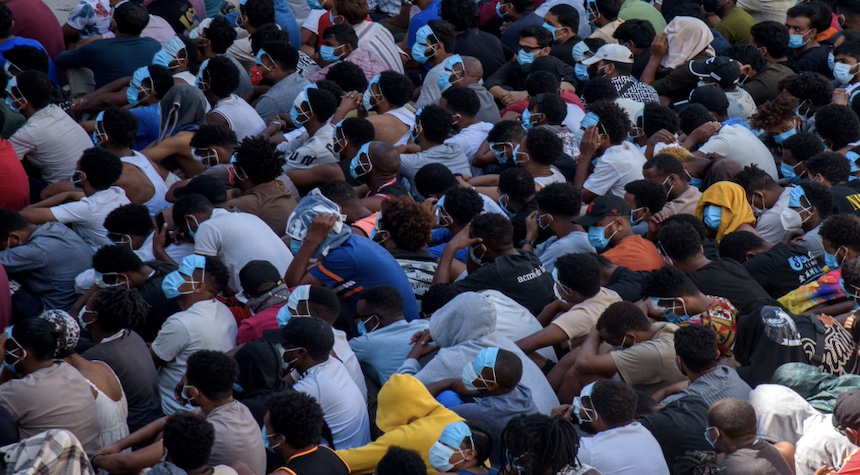
The United States imposed sanctions on cyber scam operators in Myanmar and Cambodia on Tuesday, according to a statement issued by the Treasury Department. Our reliable sources indicate that these criminal networks, a flourishing industry, stole tens of billions from Americans last year.
Hundreds of thousands of people have been trafficked into Southeast Asian scam compounds, particularly along the Thai-Myanmar border. Here, they are forced into debt bondage and coerced into defrauding strangers online.
The Under Secretary of the Treasury for Terrorism and Financial Intelligence, John K. Hurley, has stated that Southeast Asia’s cyber scam industry not only threatens the well-being and financial security of Americans but also subjects thousands of people to modern slavery. The Myanmar junta’s spokesman and a Cambodian government spokesman did not immediately respond to requests for comment.
Also Check Out: France Faces Political Crisis as Prime Minister Loses Confidence Vote
The scams include money laundering, illegal gambling, and persuading victims to make fraudulent investments. The operators are usually foreigners who have been trafficked and coerced into working in these scam compounds.

The sanctions targeted nine companies and individuals in Shwe Kokko, a town in Karen State on the Thai border. The U.S. sanctions aim to choke off funds to the criminal networks, which have flourished in regions controlled both by militias and Myanmar’s junta.
At Shwe Kokko, operators lured people from across the globe with deceptive offers, then confined, mistreated, and coerced them into carrying out online fraud for criminal networks, the Treasury Department said. The criminals often use debt bondage, violence, and the threat of forced prostitution as part of their coercion tactics.
The department also sanctioned 10 entities in Cambodia, where centers run by Chinese criminal networks focused on digital currency fraud. Some compounds in Cambodia resembled prisons, according to Amnesty International, which accused the country of ignoring the industry, allegations it denies.
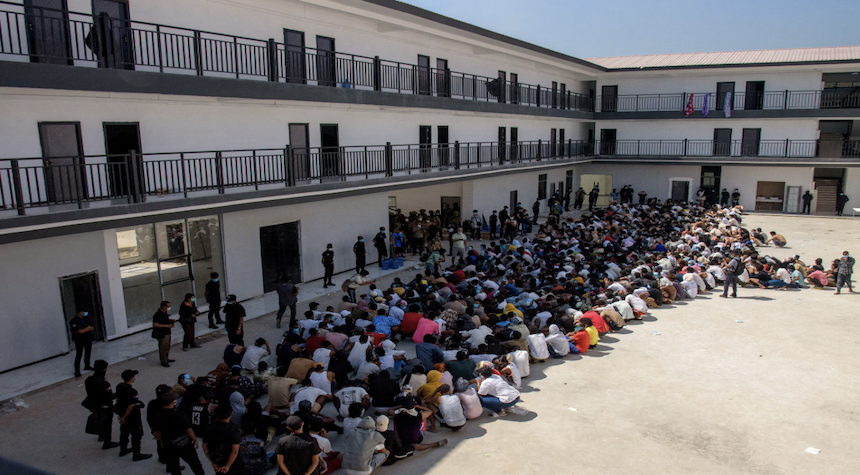
Since a 2021 military coup, scam centers have expanded rapidly in Myanmar, spreading from militia-controlled areas into those under junta control, a report by the Australian Strategic Policy Institute said.
Shwe Kokko was established in 2017 by the Hong Kong–registered Yatai International Holdings Group and the Karen National Army, an armed group allied with Myanmar’s military, according to the United States Institute of Peace. Both the Yatai group and the KNA have been previously sanctioned by the U.S.
And that’s the way it is, a complex situation unfolding with implications for both the victims and the international community. The importance of monitoring these developments and staying informed cannot be overstated.