
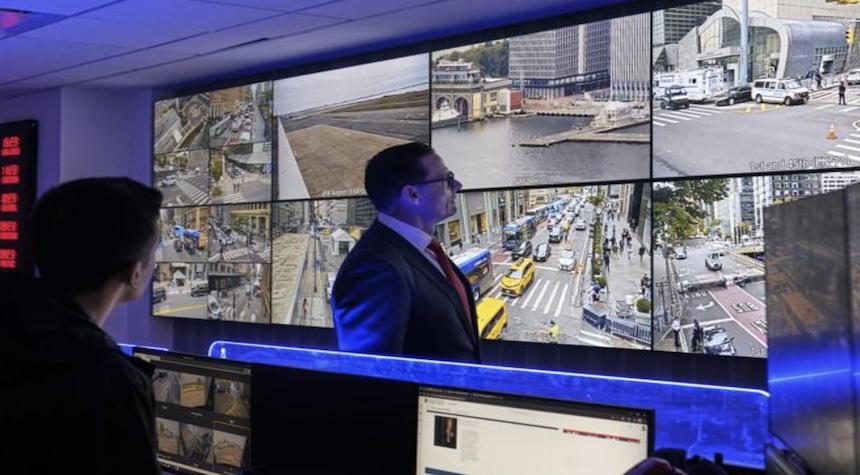
A pernicious threat to the telecommunications network has been averted, according to reliable sources. As approximately 150 global leaders gathered in Manhattan for the U.N. General Assembly, the U.S. Secret Service efficiently dismantled a massive concealed telecom network in the New York area. The system, investigators warn, could have jeopardized cell towers, disrupted 911 calls, and caused chaos across networks at a time when the city was exceptionally vulnerable.
The cache, which comprised over 300 SIM servers, more than 100,000 SIM cards, and was located within a 35-mile radius of the United Nations, is considered one of the most extensive communications threats discovered on U.S. soil. The evidence suggests that this system could have triggered a blackout of cellular service in a city heavily reliant on it for daily operations, emergency response, and counterterrorism efforts.
Coming at a time when foreign leaders congregated in midtown hotels and motorcades congested Manhattan, this development underscores a new frontier of risk: schemes targeting the unseen infrastructure that keeps a modern city connected. The network was exposed in a broader Secret Service investigation into telecommunications threats aimed at senior government officials, reports indicate.
You May Also Like: Trump Demands DOJ to Prosecute His Enemies
The servers, scattered across multiple sites, functioned akin to banks of counterfeit cellphones, capable of generating mass calls and texts, overwhelming local networks, and disguising encrypted criminal communications. The significance becomes clear when we consider the words of Matt McCool, the special agent in charge of the Secret Service’s New York field office, who emphasized the system’s capability for destruction.
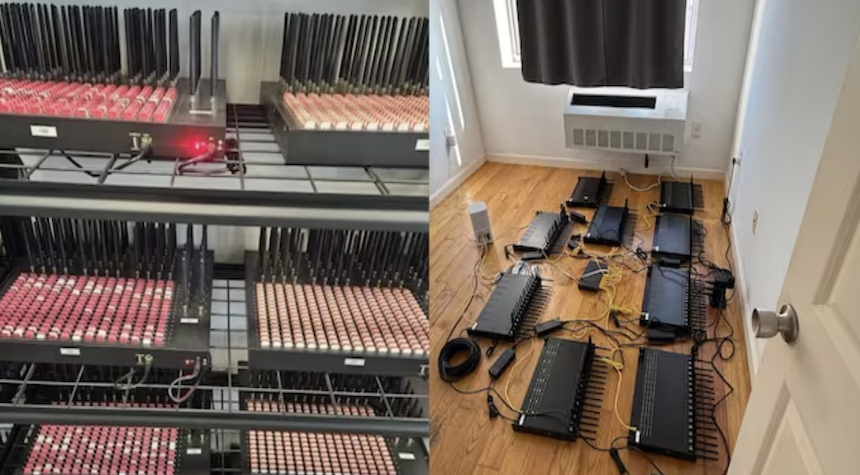
While officials confirmed no direct plot to disrupt the U.N. General Assembly and noted no known credible threats to New York City, this raises important questions about the potential damage such a system could inflict. Initial forensic analysis suggests nation-state actors used the system to transmit encrypted messages to organized crime groups, cartels, and terrorist organizations.
Agents discovered rows of servers and shelves stacked with SIM cards upon entering the sites. Over 100,000 were active, but a significant number were waiting to be deployed, indicative of plans to exponentially expand the network’s capacity. The system could transmit up to 30 million text messages per minute, providing a glimpse into the magnitude of the threat.
McCool warned of the potential devastation the network could have caused if left undisturbed, comparing it to the cellular blackouts that ensued after the Sept. 11 attacks and the Boston Marathon bombing. In this instance, attackers could have instigated such a shutdown at will.
As we continue to rely heavily on our telecommunications infrastructure, we must remain vigilant against the threats that aim to disrupt it. The swift and decisive action from the U.S. Secret Service should serve as a reminder of their dedicated service in safeguarding our nation’s security.