
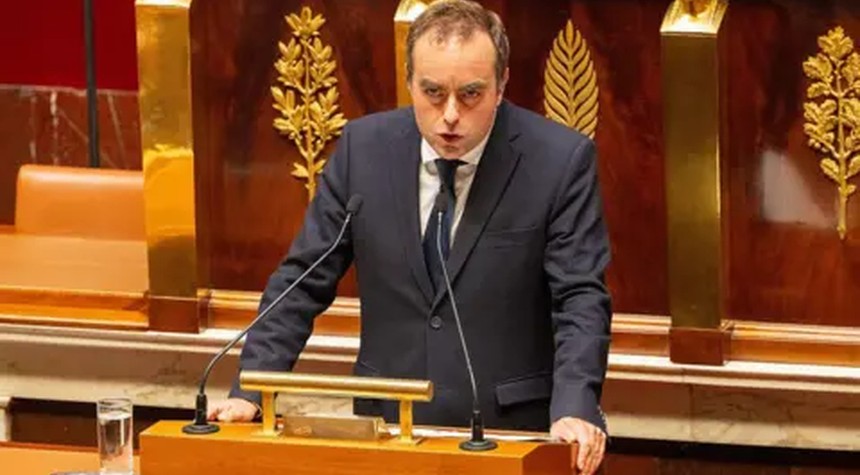
In a stark display of leftist policy capitulation, French Prime Minister Sébastien Lecornu announced Tuesday his intention to suspend the hard-fought 2023 pension reforms that raised France’s retirement age from an unsustainable 62 to a still-generous 64 years.
The announcement represents a complete reversal of President Emmanuel Macron’s signature economic policy and demonstrates the growing influence of Socialist lawmakers in the French Parliament. This retreat from fiscal responsibility comes as France grapples with a staggering public debt of €3.4 trillion – equivalent to 114% of GDP and ranking as the third-highest in the eurozone behind Greece and Italy.
Lecornu, desperately seeking Socialist support to survive upcoming no-confidence votes, explicitly acknowledged that suspending the reforms will cost French taxpayers €400 million in 2026 and an additional €1.8 billion in 2027. These costs must be “compensated by other savings,” according to the Prime Minister, though no specific alternative budget cuts have been proposed.
The political theater surrounding this decision reveals the fundamental weakness of Macron’s government. Having initially pushed through the reforms in March 2023 using Article 49.3 of the French Constitution – which allows bills to pass without a formal vote – the administration is now backtracking under pressure from left-wing parties who characterized the original passage as a “wound on democracy.”
This development raises serious questions about France’s commitment to necessary economic reforms. With a budget deficit projected to reach 5.4% of GDP this year, the suspension of pension reform threatens to further destabilize French public finances. The move also sends a troubling message to other European nations attempting to implement similar reforms to address their aging populations and unsustainable social welfare systems.
Socialist MPs have made their support conditional on an “immediate and complete suspension” of the pension reforms, effectively holding the government hostage to left-wing economic policies. This political brinkmanship comes as Lecornu faces crucial confidence votes scheduled for Thursday morning, with both far-right and far-left opposition parties demanding new parliamentary elections.
The Prime Minister’s capitulation to Socialist demands, despite being one of Macron’s closest allies, signals a broader shift away from market-oriented reforms in France. This retreat from fiscal responsibility threatens to further entrench the country’s reputation for resistance to necessary economic modernization and structural reforms.
As France continues to struggle with one of Europe’s highest public spending rates and a rapidly aging population, this suspension of pension reform represents a victory for short-term political expediency over long-term economic stability. The decision may temporarily appease left-wing protesters, but it leaves fundamental questions about France’s fiscal sustainability unanswered.
Related: Hamas Fails to Return Israeli Victims’ Bodies Despite Agreement