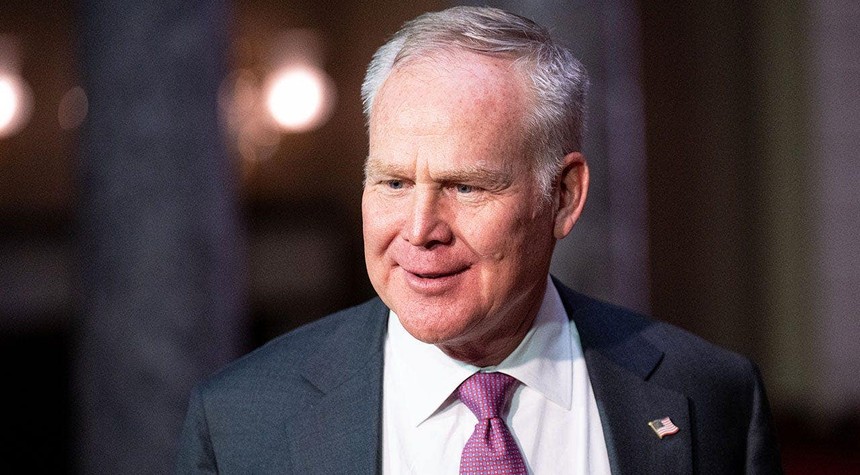
There’s a certain kind of frustration that builds when you watch the same problem get kicked down the road year after year. Senator Alan Armstrong gets it. The Oklahoma Republican, freshly appointed to fill the seat vacated by Homeland Security Secretary Markwayne Mullin, isn’t wasting time on grandstanding. He’s going straight for the jugular of an issue that’s been slowly suffocating American energy for decades: permitting reform.
You know what makes this story interesting? It’s not sexy. Nobody’s going to make viral TikToks about environmental impact statements or regulatory approval timelines. But this might be the most consequential fight happening on Capitol Hill right now, and most Americans have no idea it’s even taking place.
President Trump just greenlit the Bridger Pipeline expansion, breathing new life into pieces of the Keystone XL project that got axed under the previous administration. We’re talking about transporting over half a million barrels of oil daily from Canada. Thousands of jobs. Real energy independence, not the kind that exists only in campaign speeches and policy white papers.
But here’s the thing. Projects like this shouldn’t require presidential intervention just to survive the regulatory gauntlet. The current permitting process is a bureaucratic nightmare that turns five-year projects into fifteen-year ordeals. It’s death by a thousand environmental reviews, each one adding layers of cost and delay that ultimately get passed down to consumers.
Armstrong understands something that career politicians often miss. Time is money, and in the energy sector, regulatory delay isn’t just an inconvenience. It’s a strategic vulnerability. While we’re busy filling out forms in triplicate and waiting for the seventh agency to weigh in, China’s building infrastructure at breakneck speed. They’re not hamstrung by activist groups weaponizing the permitting process to stop projects they simply don’t like.
The senator’s focus on permitting reform represents a rare convergence of economic sense and political courage. This issue has percolated (that’s the word used in the original reporting, and it fits) through Congress for years. Both parties have flirted with solutions. Everyone agrees something needs to change. Yet somehow, the finish line keeps moving further away.
Why? Because fixing permitting means confronting the environmental lobby that’s built an entire ecosystem around regulatory obstruction. It means telling hard truths about trade-offs. Yes, we care about environmental protection. No, that doesn’t mean every project should take longer to approve than it takes to actually build.
Armstrong’s got just a few months as Oklahoma’s junior senator before the next election cycle kicks in. That’s not much runway. But sometimes the newest members bring the freshest perspective precisely because they haven’t been ground down by the institutional inertia that makes Washington so maddeningly slow.
The Bridger Pipeline decision signals that this administration understands what’s at stake. Energy dominance isn’t just a talking point. It’s national security. It’s economic prosperity. It’s the difference between leading the world and watching from the sidelines while others write the rules.
Can one senator actually move the needle on an issue this entrenched? History suggests it’s tough. But the alternative is accepting that American energy projects will continue dying slow deaths in regulatory purgatory while our competitors race ahead. That’s not a conservative value. That’s not any kind of value worth defending.
The question isn’t whether we need permitting reform. Everyone with half a brain knows we do. The question is whether we’ve finally got the political will to actually do something about it.
Related: Justice Department Warns Newsom to Drop Glock Ban or Face Court Battle