
The Trump administration just delivered another gut punch to states that think federal immigration law is more like a suggestion than a mandate. The Department of Justice filed lawsuits against New York, Connecticut, and Vermont for their policies offering in-state tuition rates and financial assistance to illegal aliens. You know what makes this particularly galling? These same benefits often aren’t available to American citizens from other states.
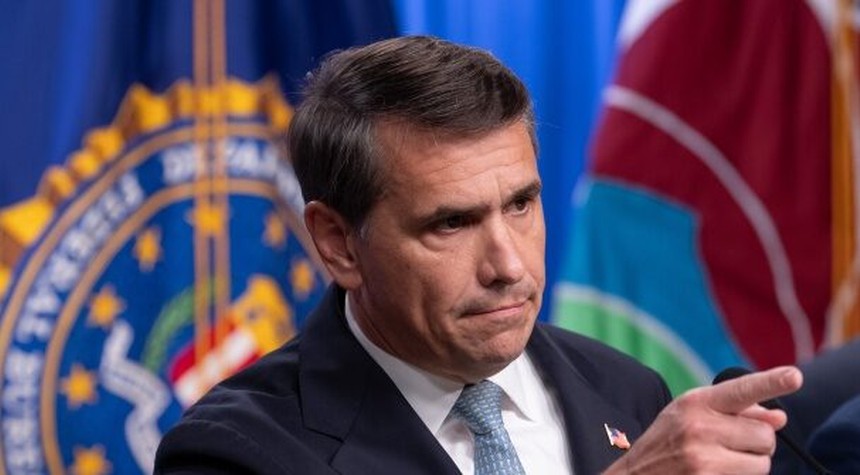
Associate Attorney General Stanley Woodward didn’t mince words. “Congress long ago made clear that States cannot put illegal aliens over our nation’s own citizens,” he said. “By granting illegal aliens in-state tuition, New York, Vermont, and Connecticut are doing just that. No more.” That phrase, no more, carries weight. It signals a shift from the passive acceptance that’s defined federal enforcement for far too long.
Here’s the thing about in-state tuition. It’s not some minor perk. We’re talking about thousands of dollars in savings per semester, scholarships, and financial aid packages that can make or break a student’s ability to afford college. When states extend these benefits to people who entered the country illegally while denying them to American citizens from neighboring states, they’re creating a two-tiered system that defies both common sense and federal law.
The legal argument isn’t complicated. Federal statute explicitly prohibits states from offering benefits to illegal aliens that aren’t also available to U.S. citizens. Brett Shumate from the Civil Division put it plainly: “This is a simple matter of federal law: Colleges cannot provide benefits to illegal aliens that they do not provide to U.S. citizens.” When a kid from Pennsylvania has to pay full out-of-state tuition at a New York university while someone who crossed the border illegally gets the discounted rate, something’s broken.
This isn’t the DOJ’s first rodeo on this issue either. They’ve already won cases against Texas, Oklahoma, Kentucky, Illinois, and Nebraska for similar policies. The administration is methodically working through every state that thinks it can ignore congressional intent. That’s not vindictiveness. That’s enforcement, the kind we should’ve seen years ago.
The broader context matters here. We’re watching states actively undermine federal immigration policy while simultaneously complaining about lack of federal support for everything from infrastructure to education funding. The irony is rich. These same states want federal dollars but reject federal authority when it conflicts with their preferred political narrative.
Think about the American students affected by these policies. They’re competing for limited spots in state universities, applying for the same scholarships, trying to afford the same degrees. When state governments tilt the playing field against them in favor of illegal aliens, that’s not compassion. That’s betrayal. It tells citizens that their government values virtue signaling over their actual welfare.
The DOJ is asking federal courts to block these states from continuing their current policies. It’s a straightforward request grounded in existing law. This isn’t about creating new restrictions or expanding executive power. It’s about enforcing statutes that Congress passed and presidents signed into law, statutes that these states are openly flouting.
What we’re witnessing is a fundamental question about sovereignty and citizenship. If being an American citizen doesn’t come with certain benefits and protections that non-citizens don’t receive, then what exactly does citizenship mean? When states prioritize illegal aliens over their own residents and citizens from other states, they’re not being progressive. They’re being reckless with a concept that holds the entire republic together.
The Trump administration’s message is clear. Federal law means something, and states don’t get to pick and choose which parts they’ll follow based on political fashion. That’s not how our system works, and it’s about time someone in Washington remembered it.
Related: The Fauci Texts Show a Dangerous Pattern of Rigidity When Americans Needed Flexibility