The American economy continues showing signs of a measured slowdown as markets await Friday’s crucial June employment report, with economists projecting job gains of 190,000 – a significant decrease from May’s robust 272,000 additions.
This anticipated cooling of the labor market represents exactly what conservative economists have long predicted: a natural market correction following the artificial stimulus-driven surge of the past two years. The unemployment rate, which reached 4% in May – its highest level since January 2022 – demonstrates the inevitable consequences of unsustainable government intervention in the marketplace.
Private sector employment data released Wednesday revealed a sharp decline to 150,000 new jobs, validating concerns about the true strength of the current economy. While the Biden administration continues to tout job numbers as evidence of economic success, the reality presents a more sobering picture. First-time unemployment claims have steadily increased, returning to pre-pandemic levels – a clear indicator that the artificial economic bubble is beginning to deflate.
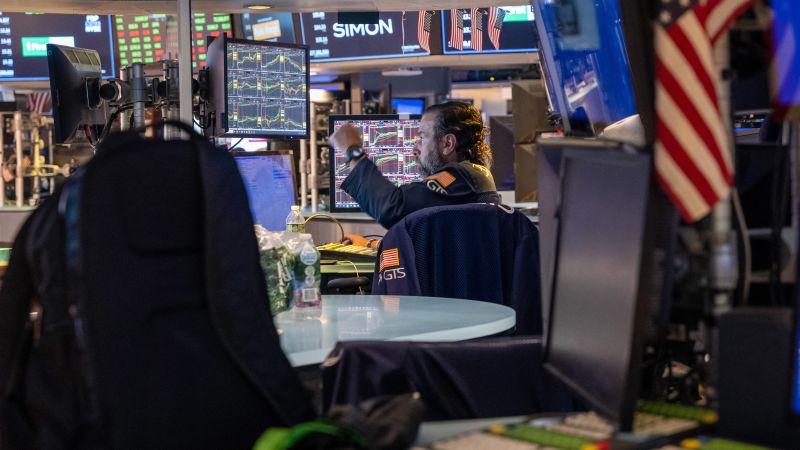
The financial markets have responded with characteristic restraint. Both S&P and Nasdaq futures remained relatively stable following the shortened holiday week, suggesting that investors have already priced in the expected moderation of employment growth. This measured response indicates a growing recognition that the economy must return to sustainable, market-driven growth rather than continuing to rely on government stimulus and artificial support.
Notably, consumer spending – the traditional backbone of American economic strength – has begun to show signs of weakness. This development, combined with declining worker confidence, suggests that the true state of the economy may be weaker than government statistics indicate. The fundamental principles of free-market economics are reasserting themselves, despite ongoing attempts at government intervention.
The coming jobs report will serve as a crucial indicator of whether the economy is truly achieving a sustainable equilibrium or if more significant corrections lie ahead. Conservative economists maintain that a gradual cooling of job growth represents a healthy market adjustment rather than a cause for alarm.
This economic reality check comes at a critical time, as debate continues over monetary policy and government spending. The data increasingly supports what fiscal conservatives have long argued: that sustainable economic growth comes through market forces rather than government intervention, and that the current slowdown represents a necessary step toward economic stability.
As markets await Friday’s report, the key question remains whether this cooling trend represents a return to normal market conditions or signals a more significant economic adjustment ahead. The answer will likely have substantial implications for both economic policy and political discourse in the months ahead.