
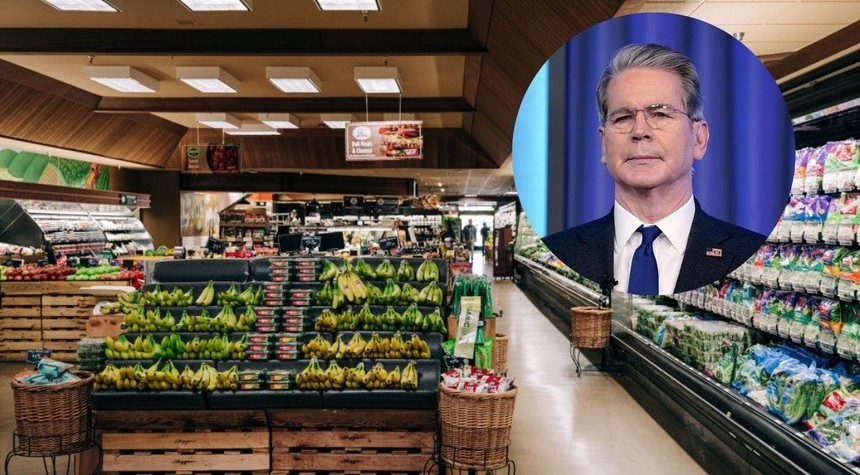
Treasury Secretary Scott Bessent announced Wednesday that the Trump administration will unveil substantial policy changes regarding foreign food imports within days, promising immediate relief for Americans struggling with elevated grocery prices.
During a Wednesday morning interview, Bessent addressed questions about which specific products the administration is targeting for price reduction. His response was unequivocal: Americans should expect announcements focused on products the United States does not produce domestically.
“You’re going to see substantial announcements over the next couple of days in terms of things we don’t grow here in the United States,” Bessent stated. “Coffee being one of them. Bananas, other fruits, things like that. So that will bring the prices down very quickly.”
The Treasury Secretary’s comments represent a pragmatic acknowledgment that tariffs on certain imported goods have created price pressures for American consumers. This is not an admission of policy failure but rather a demonstration of responsive governance. The administration imposed tariffs as leverage in broader trade negotiations, and now it is making tactical adjustments where those tariffs affect products Americans cannot produce themselves.
The facts are straightforward. Ground coffee prices rose three percent month-over-month in September and jumped 41 percent year-over-year compared to September 2024. These increases stem directly from tariffs on major coffee-exporting nations. Similarly, banana prices have experienced modest increases.
President Trump himself acknowledged last week that Americans are “paying something” due to tariffs while maintaining that “when you take the overall impact, the Americans are gaining tremendously.” This is the correct framing. Tariffs serve as negotiating tools and revenue generators while protecting American industries. However, when tariffs affect products Americans literally cannot grow due to climate and geography, the calculus changes entirely.
The logic here is simple: imposing tariffs on coffee beans and bananas does not protect American coffee farmers or banana growers because those industries do not exist domestically in meaningful scale. These tariffs generate revenue but create consumer pain without the corresponding benefit of protecting American jobs or industries.
The administration’s willingness to adjust policy based on this reality demonstrates flexibility rather than rigidity. Good governance requires distinguishing between tariffs that protect American manufacturing and agriculture versus tariffs that merely inflate prices on goods Americans must import regardless.
Critics will inevitably claim this represents backtracking or admission that tariff policy has failed. That analysis is fundamentally dishonest. The broader tariff strategy has successfully brought trading partners to the negotiating table and generated substantial revenue. Making tactical adjustments on specific products that serve no protective purpose for American industry is smart policy, not retreat.
The promised announcements will likely reduce tariff rates on coffee-exporting nations like Brazil and Vietnam, along with countries that supply bananas and other tropical fruits to American markets. These adjustments should produce rapid price decreases as import costs fall and competition among retailers drives those savings to consumers.
Americans deserve relief at the grocery store, particularly on products where tariffs serve no strategic purpose for American economic interests. The administration appears ready to deliver exactly that.