
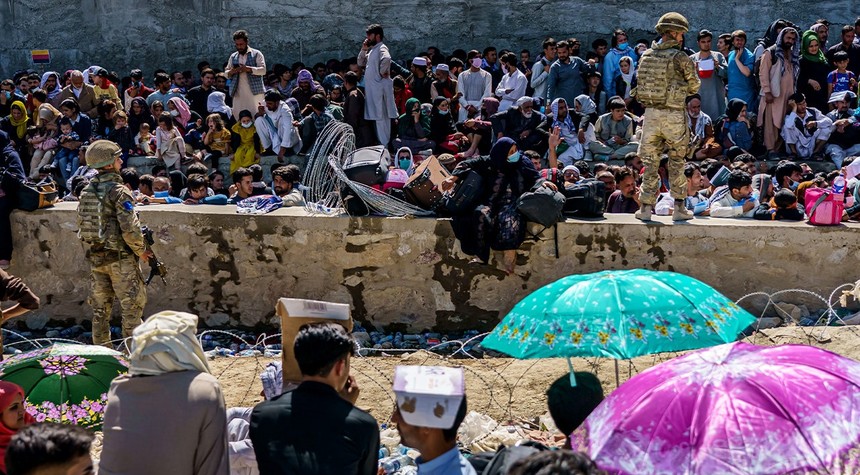
Kentucky Representative Andy Barr finds himself in the uncomfortable position of defending statements he made during the chaotic final days of the Biden administration’s disastrous Afghanistan withdrawal, and the timing could not be worse for his 2026 Senate campaign.
The facts are straightforward. In August 2021, as the Biden administration bungled America’s exit from Afghanistan in spectacular fashion, Barr appeared on Kentucky Educational Television and made comments that are now being weaponized against him. He stated that the United States had an “obligation” to help Afghans who assisted American forces during the war, specifically those who qualified for special immigrant visas.
“We have failed in our obligation to help many of these Afghans who risked their lives and, in many cases, died for the cause of their own country in assistance to the United States,” Barr said at the time. He added that abandoning these individuals would “send a terrible message to our allies around the world.”
Here is where the situation becomes complicated. Barr was not alone in this position. Dozens of Republican lawmakers, including then-former President Donald Trump, supported bringing Afghan allies to the United States during the withdrawal crisis. The key distinction these Republicans made was emphasizing proper vetting procedures for refugees.
The context matters significantly. Many Afghans served as interpreters, cultural advisors, and intelligence assets for American forces. These individuals faced credible threats of Taliban retribution for their cooperation with U.S. military operations. The argument for special immigrant visas centered on rewarding loyalty and maintaining America’s credibility with future allies in conflict zones.
Now, Barr’s primary opponent Nate Morris has seized on these comments, accusing Barr of having “blood on his hands” for supporting legislation that expanded special visa programs for Afghan refugees. This represents a significant shift in Republican primary politics regarding the Afghanistan issue.
The resurfaced footage complicates Barr’s Senate bid because the political landscape has evolved considerably since 2021. Republican voters have grown increasingly skeptical of refugee resettlement programs, particularly following reports of inadequate vetting procedures and concerns about national security risks.
The State Department recently halted all Afghan passport visas, adding another layer of relevance to this debate. The decision underscores ongoing concerns about the refugee program’s implementation and security protocols.
Barr faces a genuine political dilemma. His 2021 position reflected a traditional conservative principle: America should honor commitments to those who risked their lives supporting American military objectives. This viewpoint aligns with maintaining American credibility and encouraging future cooperation from foreign nationals in conflict zones.
However, the primary electorate in 2026 may view these issues through a different lens, prioritizing border security and immigration restriction over historical obligations to foreign allies. Morris clearly believes this represents a vulnerability worth exploiting.
The question for Republican primary voters becomes whether supporting vetted Afghan allies who served alongside American troops constitutes reasonable policy or represents an unacceptable expansion of immigration programs. Barr’s challenge will be explaining the distinction between supporting properly vetted military allies and endorsing broader refugee resettlement.
This primary battle will test whether Republican voters distinguish between different categories of immigration or whether all pathways to entry face equal skepticism in the current political environment.
Related: Trump Administration Arrests Afghan Evacuees with Terror Ties and Sex Crime Convictions